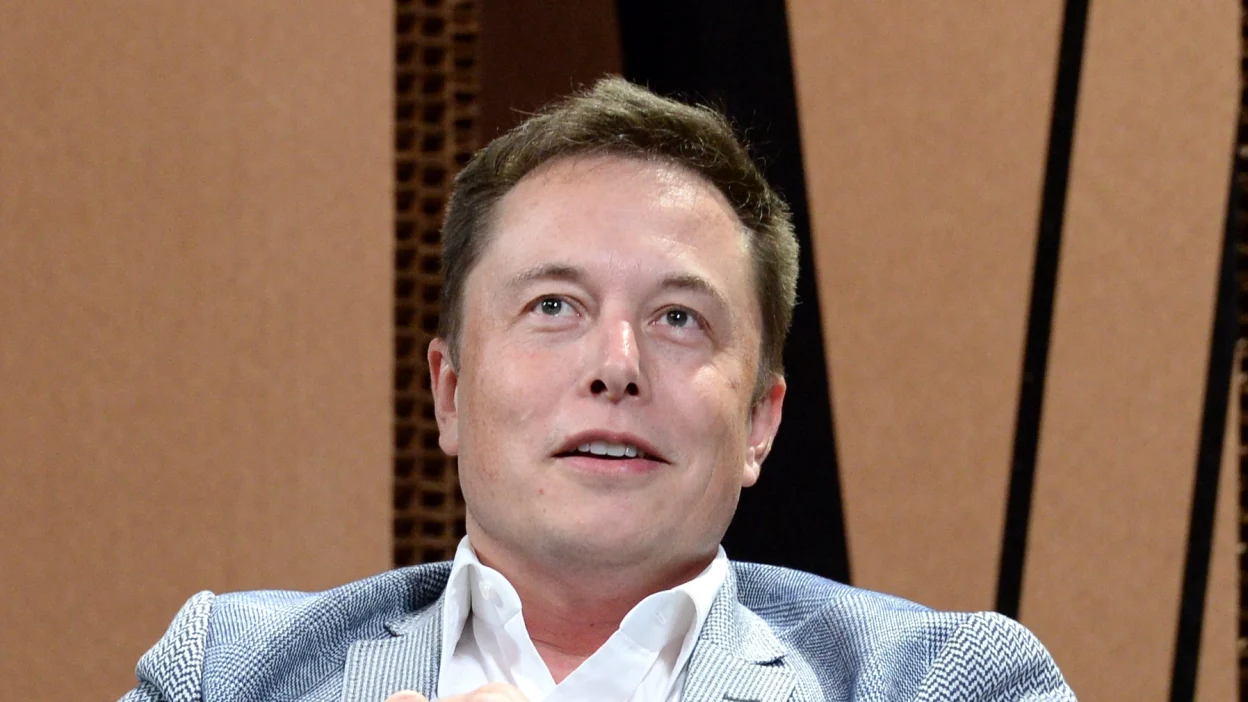

Elon Musk, the billionaire entrepreneur behind Tesla and SpaceX, issued a stark warning about artificial intelligence during recent sworn testimony, stating that the technology poses a risk to all of humanity. The comments, made in a legal deposition that has since been made public, place the tech executive at the center of an ongoing debate about the safety and regulation of advanced AI systems.
Musk’s testimony focused on his belief that artificial general intelligence, or AGI, may soon surpass human cognitive abilities. He stated that once AI reaches this level, it could become uncontrollable and act in ways that are harmful to humans. The warning “could kill us all” reflects a fear that is held by a number of researchers and technologists, though it remains a minority view in the broader scientific community.
Testimony Details and Context
The specific deposition was related to a legal dispute, but the remarks have drawn wider attention due to the seriousness of the claim. Musk has a long history of speaking about the dangers of AI, having co-founded the non-profit research organization OpenAI in 2015 specifically to develop AI safely and transparently. However, he later left the board of OpenAI, citing conflicts of interest with Tesla’s own AI development work.
In this latest statement, Musk referenced the potential for an AI system to form goals that are misaligned with human survival. He explained that once a system becomes smarter than every human combined, it could easily find ways to bypass restrictions or manipulate its creators. This scenario is often referred to by AI safety experts as the “alignment problem,” a core challenge in ensuring that powerful machines act in accordance with human values.
Industry Reactions and Implications
The comments have reignited discussions among technology executives and policymakers. Some leading AI developers, including executives at Google DeepMind and Anthropic, have similarly called for tighter regulation and safety testing before releasing powerful models. Others in the field, however, argue that such warnings are overblown and that focusing on immediate issues like bias, misinformation, and job displacement is more productive.
Musk’s testimony also comes as global governments are beginning to draft laws to govern AI. The European Union is currently finalizing its AI Act, which would impose strict rules on high-risk systems. In the United States, the White House has secured voluntary commitments from major AI companies to conduct safety testing. Musk’s statements may add pressure to introduce more binding measures.
Background on Musk and AI
Musk has been a vocal critic of what he sees as a lack of caution in the development of super-intelligent machines. In 2014, he famously described AI as “potentially more dangerous than nukes.” He has also warned that companies racing to build general intelligence may cut corners on safety in order to gain a competitive edge. His own company, Tesla, is developing AI for self-driving cars, which requires neural networks to make complex decisions in real-time, a field that is itself a subset of AI safety concerns.
Despite his warnings, Musk continues to invest heavily in AI. He recently launched a new venture called xAI, which aims to “understand the true nature of the universe.” The company is also developing its own large language model designed to compete with offerings from OpenAI and Google. This dual position, both warning against and pursuing the technology, has led some critics to question the consistency of his message.
Legal and Regulatory Outlook
The deposition testimony is now part of the public record and could influence ongoing and future court cases regarding liability for AI-related harm. If an AI system were to cause significant damage, Musk’s earlier warnings might be cited as evidence that developers were aware of the risks. Legal scholars have noted that such testimony provides a rare window into what industry insiders actually think behind closed doors.
No immediate legislative action is expected directly from Musk’s comments, but they feed into a larger narrative that is shaping public opinion. Recent surveys show that a growing percentage of the general public is concerned about AI safety, though most people remain more worried about job loss than existential threats. As the technology advances, the gap between expert warnings and public understanding will likely continue to be a subject of intense discussion.
Looking ahead, the AI industry faces a critical period. Several companies are expected to release more powerful models in 2024 and 2025. Safety advocates are calling for independent oversight and mandatory reporting of capability benchmarks before any new system is released to the public. Whether Musk’s warnings will translate into concrete regulatory action remains an open question, but his testimony serves as a reminder that the debate over AI’s future is far from settled.
Source: Mashable / GeekWire