
Every security team has a version of the same story. The quarter ends with hundreds of vulnerabilities closed. The dashboards are bursting with green. Then someone in a leadership meeting asks: “So, are we actually safer now?” The room goes quiet because an honest answer requires context, which patch counts and CVSS scores were never designed to provide.
This question lies at the heart of a growing debate in cybersecurity circles. As organizations rush to adopt exposure management platforms, industry experts warn that many solutions are missing the mark, offering metrics that look good in reports but fail to reflect real world risk.
The Gap Between Data and Safety
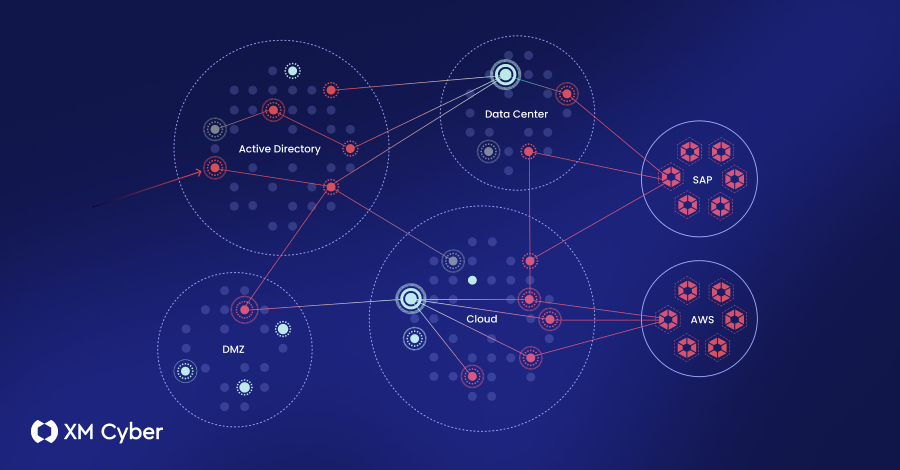
Exposure management platforms are designed to provide a holistic view of an organization’s security posture. Unlike traditional vulnerability scanners that focus on listing known bugs and their severity scores, these platforms aim to map exposures across assets, attack paths, and business processes.
However, industry analysts and practitioners note that many current offerings still lean heavily on familiar metrics. They emphasize patch counts, remediation rates, and compliance checklists. According to recent discussions in security circles, these metrics create a false sense of security. A high patch rate does not necessarily mean critical systems are protected, especially if the patches applied target low risk areas while high value assets remain exposed.
The Business Context Problem
A core issue identified by security leaders is the lack of business context in platform outputs. A vulnerability in a public facing web server may pose a higher risk than a similar vulnerability in an internal development environment. Yet standard scoring systems treat both identically.
Effective exposure management requires linking technical findings to business impact. This means understanding which assets support revenue generating processes, customer data, or compliance obligations. Without this context, security teams struggle to communicate risk effectively to executives. They cannot answer the question of whether the organization is actually safer because they cannot translate vulnerability counts into business consequences.
Common Missteps in Platform Design
Several recurring problems have been identified across the exposure management market. First, many platforms prioritize breadth over depth. They scan for thousands of potential issues but provide shallow analysis on each finding, leaving security analysts to manually investigate which exposures truly matter.
Second, integration with existing security tooling often remains superficial. A platform that cannot ingest data from firewalls, endpoint detection systems, or cloud security tools provides an incomplete picture. The result is a siloed view that fails to capture the full attack surface.
Third, automation in many platforms focuses on reporting rather than remediation. They generate data rich dashboards but offer limited guidance on how to prioritize and fix exposures based on actual risk to the business. Security teams are left with more data but not necessarily better decisions.
The Human Factor
Another overlooked aspect is organizational behavior. Exposure management is not solely a technical challenge. It requires changes in how security teams communicate with IT operations, developers, and executives. Platforms that do not facilitate this cross functional dialogue tend to remain unused or produce recommendations that are ignored.
Experts suggest that effective platforms must offer clear, actionable insights tailored to each audience. Technical teams need precise remediation steps. Executives need risk summaries tied to business objectives. Without this layered communication, the platform may solve a data collection problem but fail to solve the safety problem.
What to Look For
For organizations evaluating exposure management platforms, several criteria stand out. The platform should provide continuous discovery of assets, including cloud environments, endpoints, and operational technology. It must correlate vulnerability data with threat intelligence to identify actively exploited weaknesses.
Business context integration is essential. The platform should allow organizations to tag assets by criticality, data sensitivity, and regulatory requirements. Risk scoring should reflect not just technical severity but potential business impact.
Workflow integration with existing IT and security tools is also critical. The platform should not add another pane of glass but rather enrich existing processes. It should automate prioritization and provide clear next steps for remediation teams.
Finally, the platform must support communication across the organization. This means generating reports that speak to different stakeholders, from engineers to board members, in language they understand.
Looking Ahead
The exposure management market is expected to mature rapidly as organizations demand more from their security investments. Future platforms will likely incorporate advanced analytics, including machine learning models that predict attack paths and recommend proactive defenses. Integration with artificial intelligence for automated risk prioritization is also on the horizon.
Regulatory pressures are expected to accelerate adoption. New cybersecurity disclosure rules in various jurisdictions require organizations to demonstrate not just that they scan for vulnerabilities but that they manage exposure holistically. This shift will push vendors to move beyond patch counts and into business aligned risk management.
Security teams can expect vendors to refine their offerings over the next 12 to 18 months, focusing on context, integration, and actionable intelligence. Until then, the question from the leadership meeting will continue to produce silence in rooms where the numbers look green but the real risk remains unclear.
Source: Delimiter