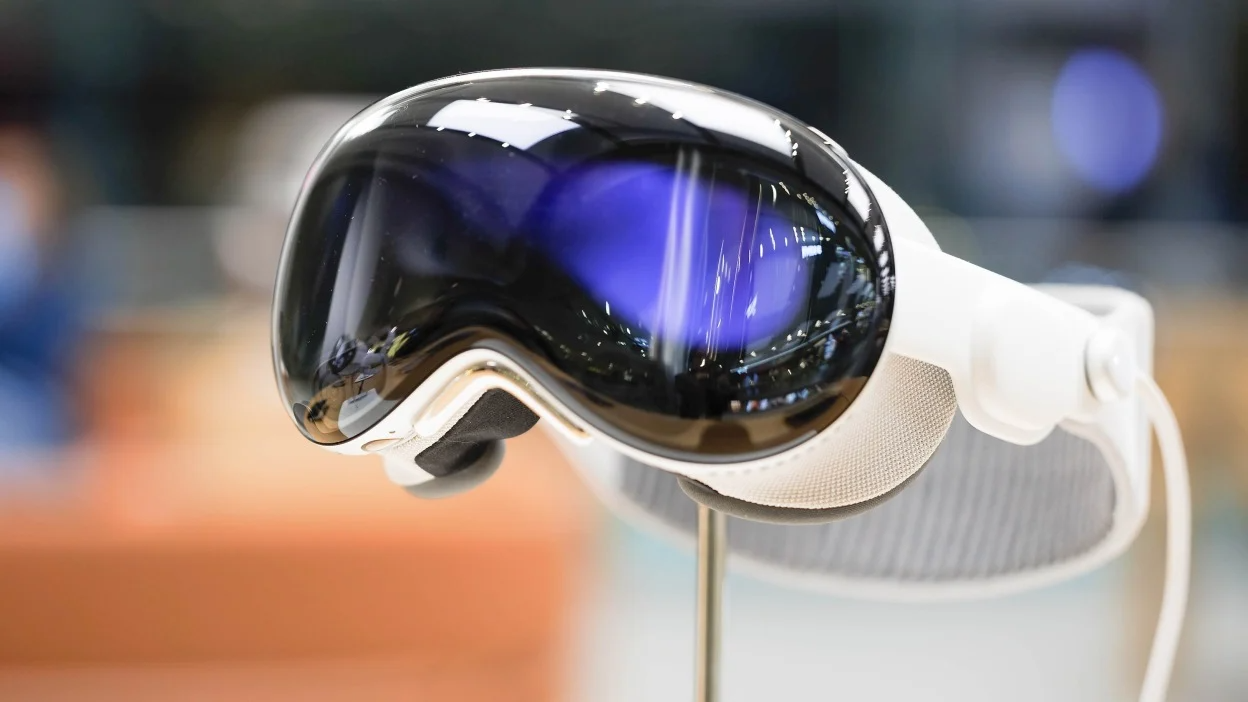

Surgeons in New York have begun using Apple’s Vision Pro headset as a primary tool during cataract procedures, marking a significant milestone in the integration of spatial computing technology into clinical medicine.
The first cataract surgery performed with the assistance of the Vision Pro took place in October 2025. Since that initial operation, the device has been used in hundreds of subsequent surgeries at the facility, according to medical staff involved in the procedures.
Clinical Application and Workflow
The headset is utilized during the surgical process to overlay critical patient data, imaging scans, and procedural guidance directly into the surgeon’s field of view. This hands-free access to information eliminates the need for surgeons to look away from the operating field to consult monitors or medical records.
Reports from the surgical team indicate that the device provides real-time visualization of ocular structures, which assists in the precise placement of intraocular lenses. Surgeons have noted improvements in workflow efficiency and reduced head movement during lengthy procedures.
Background of the Technology
Apple released the Vision Pro in early 2024 as a mixed reality headset designed primarily for consumer and productivity applications. Its integration into medical environments was not an initial marketing focus, but developers and medical institutions have since explored its potential for surgical assistance and medical training.
The device features high resolution displays, hand and eye tracking sensors, and the ability to run custom applications. These capabilities allow medical software developers to create specialized tools for surgical visualization and data management.
Implications for Surgical Practice
The adoption of the Vision Pro for cataract surgery represents one of the earliest large scale clinical uses of a consumer mixed reality headset in an operating room setting. Cataract surgery is among the most common surgical procedures performed worldwide, with millions of cases annually.
Proponents of the technology argue that spatial computing headsets could reduce surgical errors by providing better access to imaging data and reducing the cognitive load on surgeons. The ability to see vital signs, patient history, and pre operative scans without shifting focus is considered a key advantage.
However, medical professionals caution that the integration of any new technology into surgical workflows requires rigorous testing and validation. Issues such as device weight, battery life, hygiene protocols, and the potential for distraction must be addressed before broader adoption can occur.
Comparisons to Other Medical Devices
The use of head mounted displays in surgery is not entirely new. Earlier attempts using Google Glass and other augmented reality devices were limited by display resolution, battery constraints, and a lack of specialized medical software. The Vision Pro’s higher computing power and advanced sensors may overcome some of these previous limitations.
Medical device manufacturers have expressed interest in developing dedicated surgical applications for the platform. Some hospitals have already initiated pilot programs to evaluate the headset for use in orthopedic and neurosurgical procedures.
Next Steps and Broader Adoption
The surgical team in New York plans to continue using the Vision Pro in upcoming cataract surgeries and is collecting data on patient outcomes, procedure times, and surgeon satisfaction. Formal research studies are expected to be published in peer reviewed medical journals in the coming months.
Apple has not officially endorsed the use of its device for surgical applications. The company has noted that the Vision Pro is not cleared by the U.S. Food and Drug Administration as a medical device. Hospitals and surgeons using the headset in clinical settings do so as part of internal research or off label use, which is common with general purpose computing hardware in medical environments.
Regulatory bodies, including the FDA, may need to clarify whether spatial computing headsets used in surgery require medical device certification. The outcome of current studies could influence future guidelines and the potential certification of similar technologies.
Source: GeekWire