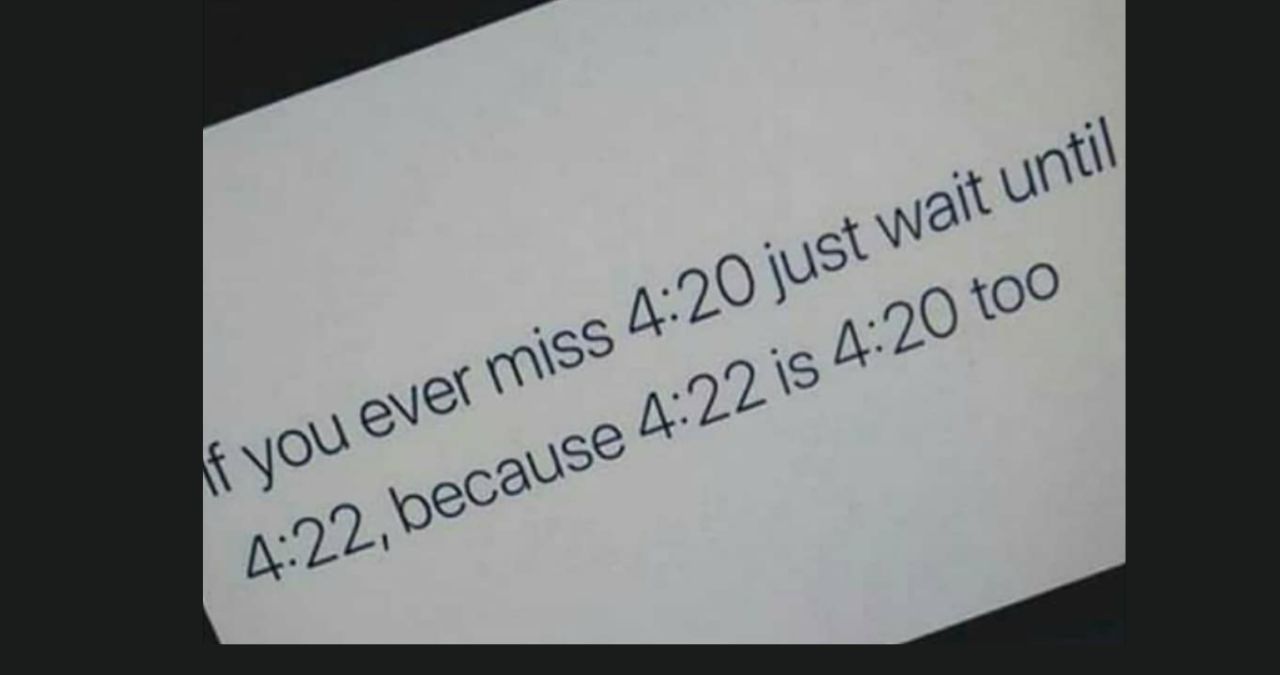

social media platforms experienced a significant increase in user-generated content related to the date April 20, commonly known as 4/20, on Saturday. The phenomenon, observed globally across networks like X, Instagram, and Reddit, involved the widespread sharing of memes, GIFs, and images, many referencing cannabis culture. The volume of posts created a distinct trend visible in platform algorithms and public conversation metrics.
Background of the Date
The origins of 4/20 as a cultural reference point are debated, but it is widely recognized as an informal holiday for cannabis advocates. Over time, the date has transcended its subcultural roots to become a recurring internet event. Each year, the date prompts a predictable surge in related digital content, which is shared both by participants in the culture and by observers commenting on the trend itself.
Platform Trends and Content Moderation
Major social media companies maintain policies prohibiting the promotion or sale of illicit substances. In response to the annual increase in 4/20 content, platforms typically activate standard moderation protocols. These systems are designed to identify and remove content that violates community guidelines regarding drug sales or explicit use, while allowing for general discussion and humor that does not cross those lines. A spokesperson for Meta, the parent company of Instagram and Facebook, stated that its enforcement policies are applied consistently year-round.
Analysts note that the event serves as a periodic stress test for automated content moderation systems, which must distinguish between celebratory posts and actionable policy violations. The sheer volume of content also influences trending topics sections and discovery algorithms on various apps, making the theme temporarily unavoidable for many users.
Commercial and Legal Context
The internet activity coincides with an evolving legal landscape. Cannabis is legal for recreational use in numerous jurisdictions, including several U.S. states, Canada, and other countries. In these regions, licensed businesses often engage in promotional activities tied to the date. Online discussions frequently include debates on legalization, comparisons of different regional laws, and commentary on the economic impact of the legal cannabis industry.
Conversely, in areas where cannabis remains illegal, authorities sometimes issue public reminders about drug laws. This creates a juxtaposition between the online celebration and official legal stances, a contrast that itself becomes fodder for social media commentary and news coverage.
Cultural Analysis and Online Behavior
Researchers studying internet culture describe 4/20 as a “digitally native holiday,” where the primary activities of celebration and community-building occur online. The shared experience of viewing and participating in the meme cycle reinforces group identity among users. The content itself follows familiar patterns, with certain joke formats and image macros resurfacing each year in slightly updated forms, demonstrating the cyclical and referential nature of online humor.
The event also highlights the role of social media as a platform for the performance of identity. Users signal their affiliation with, or distance from, the associated culture through their shares, likes, and comments. For many, participating is less about the substance itself and more about engaging with a widespread, recognizable online moment.
Expected Developments and Conclusion
As the calendar date passes, engagement with 4/20 specific content is expected to decline rapidly, following the typical lifecycle of an internet trend. Social media analytics firms will likely publish reports in the coming days quantifying the spike in related keywords and hashtags. Platform moderators will return to standard operating procedures as the volume of policy-review requests normalizes. The cultural conversation is anticipated to shift until the next scheduled internet event, with the patterns observed this year providing a template for similar analyses in the future. The enduring nature of the trend suggests it will reemerge on social media platforms again next April.
Source: Various social media analytics and platform statements