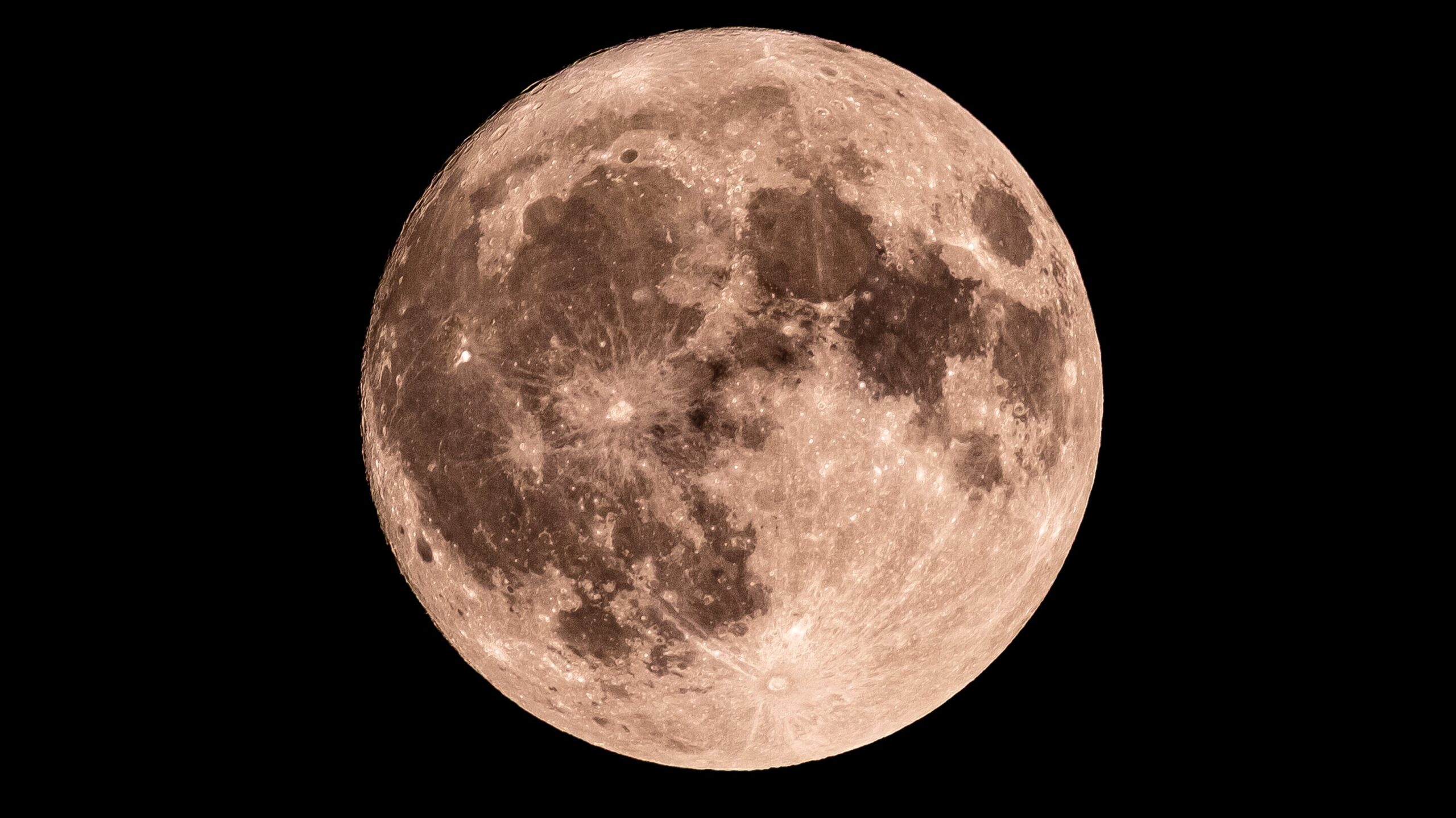

Observers looking to the night sky on Wednesday, April 22, will see the Moon in its waxing crescent phase, marking the fifth day of the lunar cycle. The Moon is currently showing more of its illuminated surface each night as it progresses toward the Full Moon expected in May.
As of April 22, the Moon is positioned to appear larger and brighter in the evening sky over the coming nights. The Waxing Crescent phase follows the New Moon and precedes the First Quarter, representing a period when the lunar disk is gradually expanding its visible area.
Current Lunar Cycle Details
The Moon is at day five of its 29.5 day cycle. During this stage, the illuminated portion of the Moon increases each night, a process known as waxing. The Waxing Crescent appears as a thin, curved sliver of light on the right side of the lunar disk for viewers in the Northern Hemisphere.
This phase is associated with low light levels but increasing visibility, making it a favorable time for evening observations before the Moon sets. The current cycle began with the New Moon earlier this month.
Visibility and Timing
On April 22, the Moon will be visible in the western sky shortly after sunset. It will set a few hours later, providing a limited but clear window for observation. The phase is distinct from the Gibbous and Full Moon phases that will follow later in the cycle.
The Moon’s position relative to Earth and the Sun determines the amount of sunlight reflected toward our planet. During the Waxing Crescent, the Moon is positioned between Earth and the Sun, with a small portion of its near side illuminated.
Upcoming Phases
The next major phase in the current cycle will be the First Quarter Moon, expected within approximately two days. This will be followed by the Waxing Gibbous phase, leading to the Full Moon in May. The exact date of the Full Moon will depend on the continuation of the current cycle.
Lunar phases are predictable and follow a consistent pattern based on the Moon’s orbit. The current cycle is part of the standard sequence that repeats approximately every 29.5 days, known as a synodic month.
Scientific Context
The Waxing Crescent phase is one of eight primary phases in the lunar cycle. It occurs when the Moon’s elongation from the Sun is between 0 and 90 degrees. This phase is often associated with increased tidal activity, though the effect is less pronounced than during the Full or New Moon.
For astronomers and casual observers, the current phase offers an opportunity to observe lunar surface features such as craters and maria along the terminator, the line separating light and dark on the Moon.
Looking ahead, the Moon will continue to brighten and increase in size until it reaches full illumination. The next Full Moon is expected to occur in early May, marking the completion of the current waxing period. Observers should check local sunset times and weather conditions for the best viewing opportunities in the coming nights.
Source: Mashable