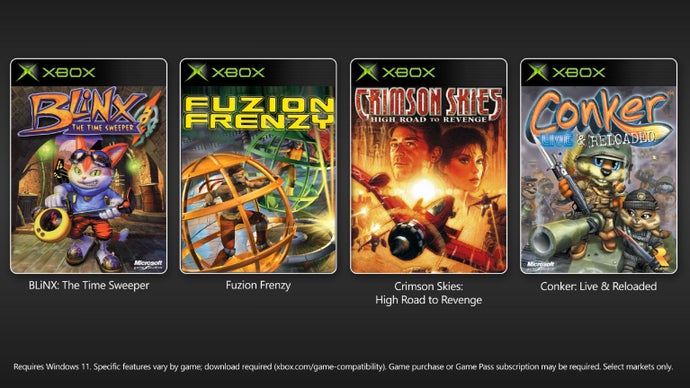

Microsoft’s Xbox division has introduced a backwards compatibility program for personal computers and handheld gaming devices, beginning with four classic titles from its original console library. The initiative was announced on July 22, 2026, through an official Xbox news release, marking a significant expansion of the company’s efforts to preserve and extend access to older games beyond its own console ecosystem.
The four initial titles available under the program are BLiNX: The Time Sweeper, Conker: Live and Reloaded, Crimson Skies: High Road to Revenge, and Fuzion Frenzy. These games were originally released for the first Xbox console, which debuted in 2001. The selection represents a mix of action-platformer, third-person shooter, aerial combat, and party game genres, offering a varied entry point for users on PC and handheld platforms.
This move represents a strategic shift for Xbox, which previously limited its official backwards compatibility efforts to its own console hardware. The company’s Xbox Series X and Series S consoles support thousands of titles from previous Xbox generations through emulation. By extending this capability to PC and handheld devices, Microsoft is effectively broadening the reach of its older game library to a significantly larger and more diverse user base.
Background and context
The backwards compatibility initiative addresses a long-standing demand from PC gamers and owners of handheld gaming devices, such as the Steam Deck and Asus ROG Ally. These devices run on Windows or Linux-based operating systems and have traditionally relied on community-developed emulators to play older console games. Xbox’s official support could provide a more stable and legally clear alternative to these unofficial solutions.
Microsoft has not detailed the technical mechanism behind the new program. However, industry analysts suggest it may involve a combination of recompilation techniques and custom emulation layers designed to run Xbox titles natively on PC hardware. The company has not confirmed whether the games will be sold individually through digital storefronts or made available via its Xbox Game Pass subscription service.
Reactions and implications
The announcement has been met with cautious optimism from the gaming community. Enthusiasts on forums and social media have welcomed the official support for these classic titles, though some have expressed disappointment that the initial lineup includes only four games. Others have questioned whether the program will expand to include more popular and culturally significant titles from the Xbox library, such as Halo 2, Forza Motorsport, or Ninja Gaiden Black.
From a business perspective, the move aligns with Microsoft’s broader strategy of platform agnosticism. The company has increasingly positioned its gaming services across multiple devices, including PC, cloud streaming, and mobile platforms. Backwards compatibility for PC and handhelds further reinforces this approach by removing hardware barriers and treating the Xbox game library as a cross-platform asset.
The program also carries implications for game preservation. Official backwards compatibility reduces the reliance on aging original hardware and unmaintained emulators, both of which present challenges for long-term access to digital media. By supporting older titles on modern systems, Microsoft contributes to the archival of a portion of video game history that might otherwise become inaccessible as hardware fails or degrades.
Next steps and availability
Microsoft has not provided a specific release date for the four titles, nor has it clarified whether they will be available for purchase individually or as part of a subscription. The company has indicated that more information will be shared in the coming weeks, including system requirements and distribution platforms.
Industry observers expect the program to evolve over time, with additional titles added based on technical feasibility and licensing agreements. Some older Xbox games involve music, vehicle, and character licensing, which can complicate re-release efforts. Microsoft has not commented on which titles are being considered for future inclusion, but the company has a history of gradually expanding its backwards compatibility library based on consumer demand and technical progress.
The availability of these games on handheld devices could further influence the portable gaming market, which has grown substantially with the success of devices like the Steam Deck. If the program proves popular, it may prompt competing platforms to offer similar official backwards compatibility solutions for their own legacy game libraries.
Source: gamesindustry.biz