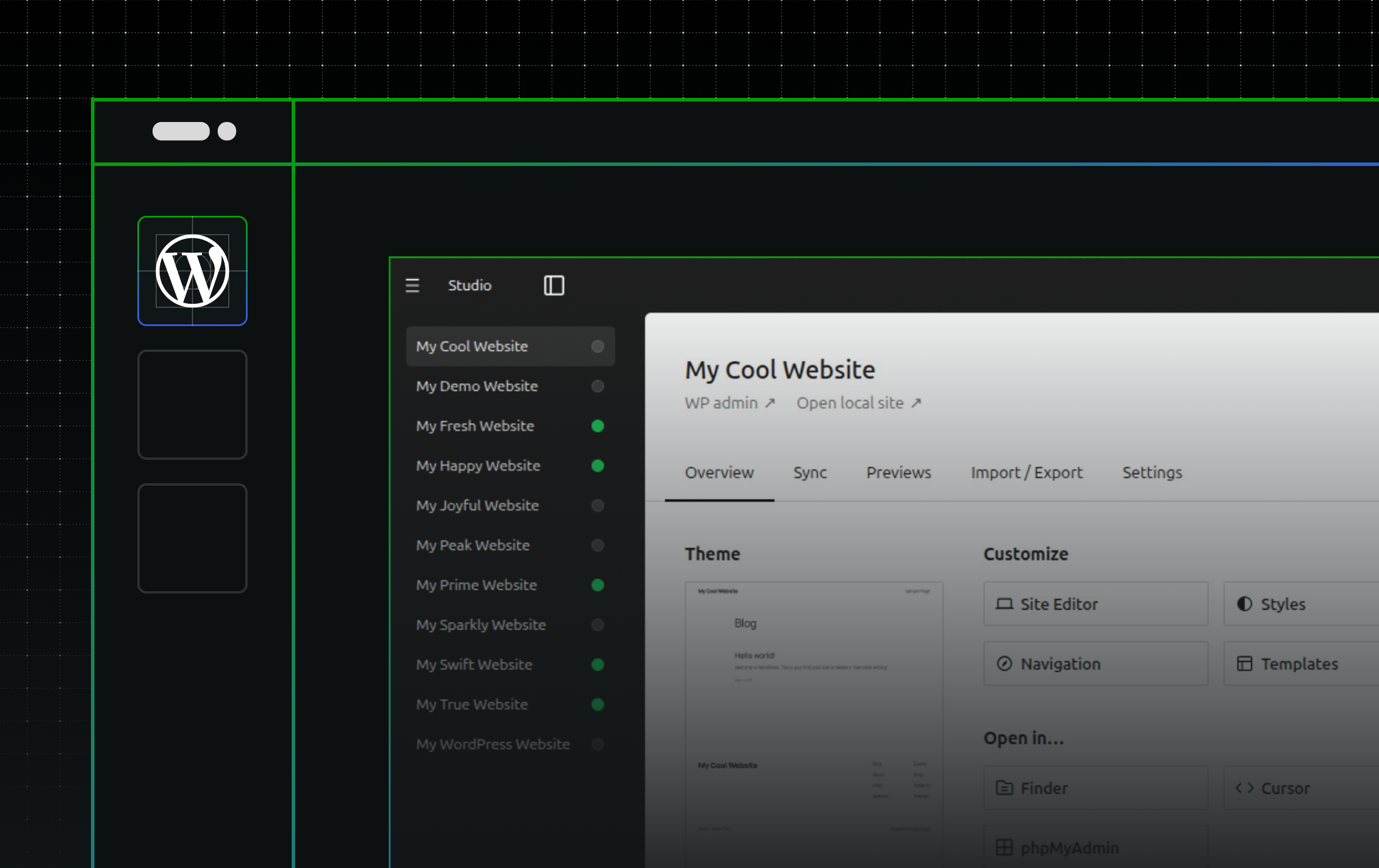

WordPress developer Automattic has released a desktop version of its WordPress Studio application for the Linux operating system, starting with Ubuntu. The tool allows developers to run local WordPress sites on their own computers without configuring servers or using containerization software like Docker.
The announcement follows the release of a command-line interface version of Studio for Linux several weeks ago. The desktop app provides a graphical interface for managing local WordPress development environments.
Features for Local WordPress Development
The Linux version of Studio includes several tools aimed at developers building sites, plugins, and themes. Users can create instant local WordPress sites without manual server configuration. The application supports custom domains and HTTPS for local sites, allowing developers to test against realistic URLs.
A one-click preview link feature enables sharing of work-in-progress sites with clients, team members, or testers. The application also offers two-way synchronization with WordPress.com, allowing users to pull production or staging sites to a laptop and push changes back when ready.
Studio integrates with several popular code editors including VS Code, PhpStorm, and Sublime, which are detected automatically. A built-in assistant helps users write code, make changes, and debug their work.
Context and Availability
The decision to bring Studio to Linux reflects the widespread use of the operating system in web hosting and development environments. WordPress powers a significant portion of websites on the internet, and many of those sites run on Linux-based servers.
Studio has been available for macOS and Windows users for several years. The Linux desktop release extends the same functionality to Linux developers who previously had to rely on command-line tools or manual configuration methods.
The application is free and open source. Users can download the Linux build from the WordPress developer portal. Installation on Ubuntu takes a few minutes.
Future Development
Automattic has indicated it will continue to polish the Linux experience. Planned improvements include automatic updates, support for additional Linux distributions beyond Ubuntu, and more packaging options. The company has requested user feedback through its GitHub issues page to help prioritize further enhancements.
Source: Delimiter