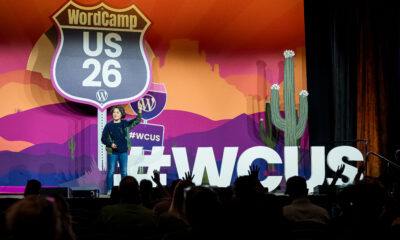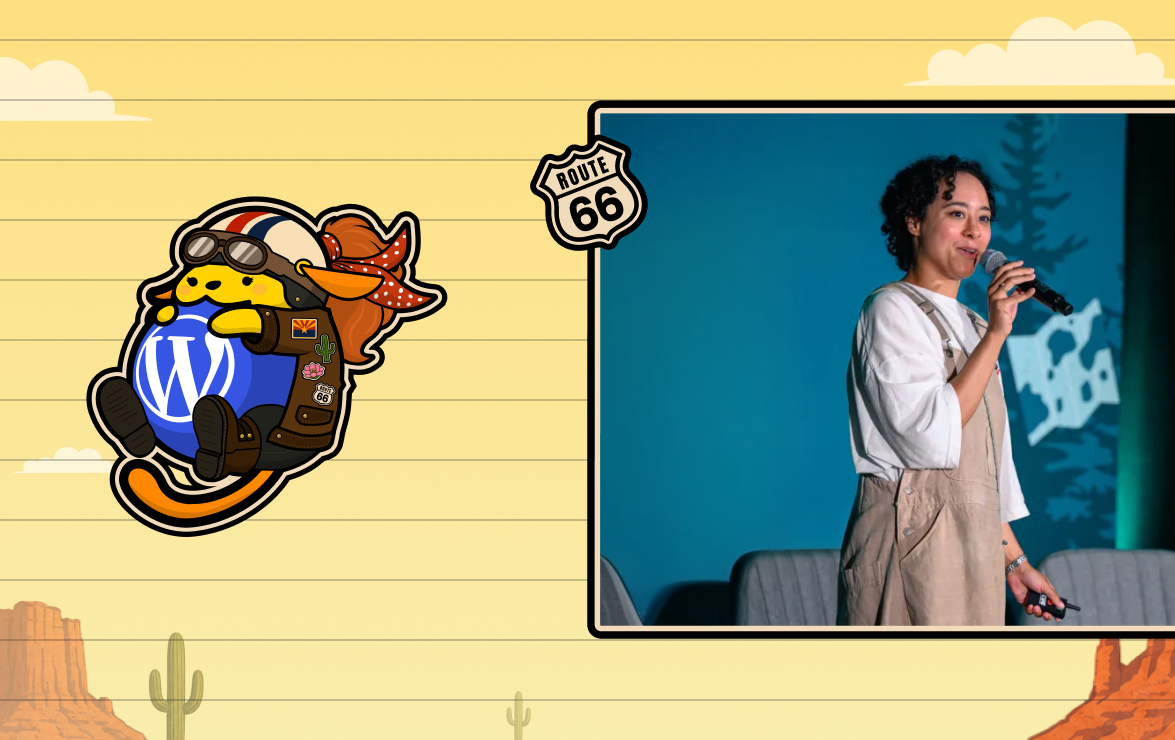

WordCamp US 2026 will take place from August 16 to 19 at the Phoenix Convention Center, marking the event’s first visit to the Arizona city. Organizers have confirmed a program heavily focused on artificial intelligence, with more than 50 talks and workshops scheduled across the two main conference days.
The annual gathering for the WordPress community will feature a wide range of sessions covering development workflows, e-commerce, and the future of open-source software. The event also includes a dedicated Contributor Day and a Showcase Day, along with access to sponsor exhibits and networking events.
Conference Program Highlights AI and Development Tools
A significant portion of the 2026 schedule addresses the role of AI in website building and management. Several sessions are designed to examine how artificial intelligence tools are changing the way non-developers and professionals interact with the content management system.
Matt Mullenweg, co-founder of WordPress and CEO of Automattic, will join Robert Jacobi for a fireside chat on the state of open source. The session is structured to include a 30-minute audience Q&A segment, allowing attendees to pose questions directly about the platform’s direction.
Other featured sessions include a talk on “vibe coding” for non-technical users, which will demonstrate how AI can assist in building plugins and customizing the editor without writing code. Another session will explore how block themes and AI are influencing agency workflows, with a Focus on maintaining the website as the primary source of truth.
Sessions dedicated to e-commerce will look at the rise of AI buyers and how WordPress and WooCommerce need to adapt when bots begin comparing products and making purchase decisions. A separate talk will review the year-long effort to create a professionally governed credential for WordPress developers, a project aimed at helping employers recognize verified engineering skills.
Education Program Expansion Expected
The WordPress.com Education program, which provides students with access to a professional environment for building websites, will be a focus at the conference. Organizers stated that more than 5,000 students have actively used the program to date.
The initiative allows students to create real portfolios and retain ownership of their work after the course concludes. Officials have indicated that a new announcement regarding the program’s future for students and educators will be made during the event. The program is part of a broader effort to connect classroom learning with practical web skills.
Product Demonstrations and Exhibit Hall
Attendees will have the opportunity to view demonstrations of new development tools at the exhibit hall. One demonstration will showcase an updated user interface for a local development environment tool, including an AI agent capable of building, modifying, and deploying sites through conversational commands.
Another demonstration will highlight a site-management agent designed for users who spend more time operating a website than coding. The tool’s features include memory for guidelines, editorial review, image editing, and interaction through channels such as email and messaging applications.
Organizers are using the conference to collect feedback on these tools from agencies, publishers, and business operators. The stated goal is to identify common workflow challenges and use that input to inform future product development.
Logistics and Attendance Details
General admission tickets are priced at $100, with student tickets available for $25. The ticket price includes access to conference sessions, lunches, all-day coffee, the sponsor hall, and the closing social event.
The event schedule provides for two full days of sessions, with the additional days dedicated to contribution and showcase activities. Organizers have confirmed the event will proceed at the Phoenix Convention Center, and further details regarding the schedule and any additional announcements are expected to be released leading up to the opening day.
Source: WordPress.com Blog