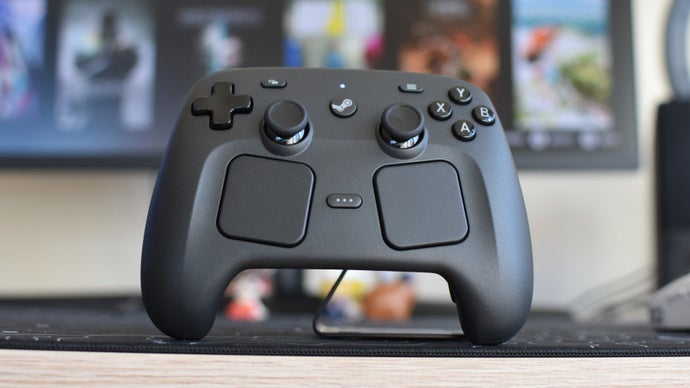

Valve is positioning 2026 as a pivotal year for its hardware strategy, with the first major component already receiving strong reviews. Early assessments of the company’s redesigned Steam Controller, its first new gamepad in a decade, have been widely positive across multiple technology and gaming outlets.
The new controller is priced at USD $99 and represents a direct successor to the original Steam Controller, which launched in 2015 to a mixed reception. The original device was noted for its unconventional design, including dual trackpads, but struggled to gain significant market traction.
Reception and Design Details
Reviews published in recent days have praised the updated hardware for its build quality, precision, and overall usability. Several outlets that were critical of the original model have now offered favorable assessments of the new version, describing it as a genuine first-party controller for PC gaming.
The controller includes a redesigned layout, updated haptic feedback systems, and improved ergonomics. Valve has also integrated support for its Steam Input software, which allows users to customize control mappings for a wide range of games.
Strategic Context
The Steam Controller launch is the first step in a broader hardware push planned by Valve for 2026. The company has not publicly detailed the full scope of its hardware roadmap, but the timing of the controller’s release aligns with earlier statements about expanding its presence in the consumer electronics market.
Valve’s previous hardware efforts have included the Steam Link streaming device, the Steam Machine line of living room PCs, the Valve Index virtual reality headset, and most recently the Steam Deck handheld gaming computer. The Steam Deck, launched in 2022, has been the company’s most commercially successful hardware product to date.
The company is based in Bellevue, Washington, and operates the Steam digital distribution platform, which is the largest PC gaming storefront by revenue.
Market Positioning
The new Steam Controller enters a competitive market for PC gaming peripherals. Established players include controllers from Microsoft, Sony, and Nintendo, as well as third-party manufacturers such as Logitech and Razer. The USD $99 price point places it in the premium segment, comparable to Microsoft’s Xbox Elite Series 2 controller.
Unlike console controllers, the Steam Controller is designed exclusively for PC use and relies on Valve’s software ecosystem for configuration and functionality. It includes support for both wired and wireless connections, as well as Bluetooth compatibility.
Analysts have noted that the controller’s success will depend on its ability to attract both existing Steam users and new customers who may already own other PC controllers. The positive critical reception may help build momentum ahead of the broader hardware initiatives planned for later in the year.
Source: GamesIndustry.biz