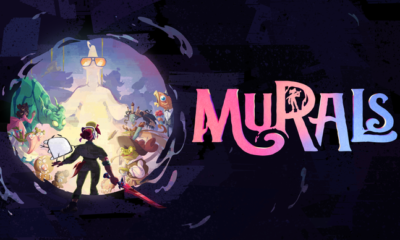

London-based game developer Ustwo Games, the studio behind the acclaimed puzzle title Monument Valley, has formally transitioned to a PC-first development strategy. The announcement, made earlier this year, marks a significant departure from the company’s long-standing focus on touchscreen and mobile platforms.
The studio confirmed that future projects will prioritize PC distribution and hardware capabilities, although it did not specify an exact date for the full cessation of mobile support. The shift comes after a period of sustained industry change that the company states made its previous business model increasingly untenable.
Market Pressures Behind the Transition
Ustwo Games cited the widespread adoption of free-to-play monetization models as the primary factor in its decision. The company stated that the mobile market has consolidated around these revenue mechanics, making it difficult for premium, paid applications to compete effectively against games that offer no upfront cost.
The pressure to adapt to this economic reality, which often requires implementing in-app purchases or advertising systems, conflicted with the studio’s design philosophy. Management determined that continuing under these constraints would compromise the artistic and gameplay standards established with its previous releases, including Assemble With Care and Desta: The Memories Between.
Changing Hardware and User Expectations
Industry analysts note that the mobile sector has evolved significantly since the studio released its first major hit in 2014. Modern mobile devices have shifted toward more powerful processors and larger screens, yet the dominant business strategy has leaned heavily on live service operations. That trend has complicated the launch of single-purchase narrative games.
For Ustwo Games, the decision represents a return to a model where commercial viability depends on the game itself, not on ongoing player retention mechanisms. The studio has indicated that this structural change will allow it to target a different demographic while maintaining the visual and narrative quality for which it is known.
Mobile Design Principles Carry Over
Notably, the company does not intend to discard all elements of its heritage. Studio representatives have stated that the design philosophy refined through years of mobile development, specifically short session lengths, intuitive touch interfaces, and accessibility, will continue to inform its PC projects. The company believes that these principles can give its PC titles a distinct feel in a crowded marketplace.
This approach suggests that while the target hardware has changed, Ustwo’s core focus on approachable, high-quality interaction design remains intact. This includes maintaining strict performance standards so that the games run smoothly across various system configurations, a practice that mirrors the optimization required for diverse mobile hardware.
Industry Context
Ustwo Games is not the only development house to reassess its platform focus in recent years. A number of mid-sized studios have transitioned from exclusive mobile development to console and PC releases, citing similar issues with storefront visibility and discoverability. The shift reflects a broader readjustment within the global gaming industry regarding where premium content is most viable.
However, few studios have made the move as public or as explicit as Ustwo, which built its reputation almost entirely within the mobile ecosystem. The studio’s pivot highlights a growing divide between casual mobile gaming dominated by free-to-play systems and the traditional premium market that still exists on PC.
Future Outlook and Releases
The studio has confirmed that it is currently working on new intellectual property tailored for PC platforms. While specific release dates and financial details remain under wraps, the development cycle is expected to leverage modern graphics capabilities while preserving the minimalist aesthetic associated with the studio’s past work.
Upcoming announcements regarding these projects are anticipated in the next few quarters. The company has not ruled out future mobile ports of these PC titles but has emphasized that any such versions would be secondary adaptations rather than primary development targets. For now, the strategic emphasis is squarely on establishing a sustainable presence in the PC market.
Source: GamesIndustry.biz