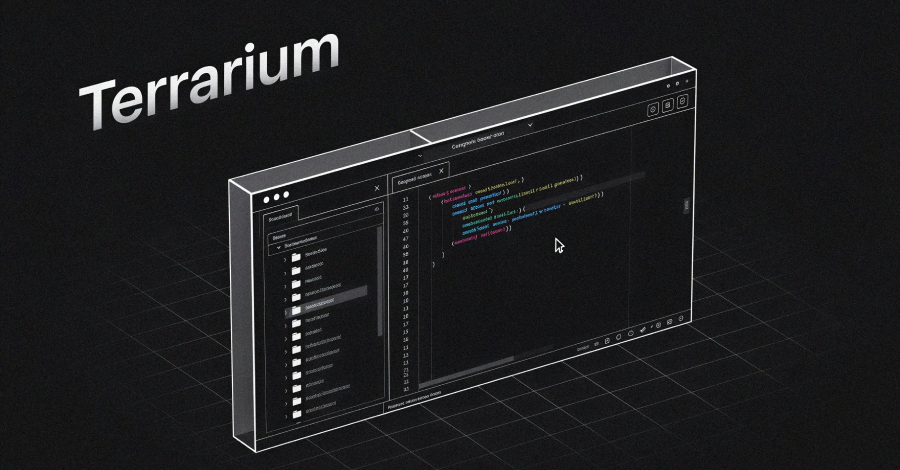

A significant security vulnerability has been identified within Terrarium, a Python-based sandbox environment developed by the AI company Cohere. This flaw, which carries a high severity rating, could allow an attacker to execute arbitrary code with the highest level of system privileges.
The vulnerability is officially tracked as CVE-2026-5752. It has been assigned a Common Vulnerability Scoring System (CVSS) score of 9.3, placing it in the critical severity range. Security researchers state the issue is a sandbox escape vulnerability.
Nature of the Security Flaw
According to the disclosure, the flaw exists within the Terrarium sandbox’s architecture. The specific technical mechanism involves a JavaScript prototype chain traversal attack. This type of attack manipulates the fundamental inheritance model of JavaScript to bypass security boundaries.
In practical terms, a malicious actor could exploit this traversal to break out of the confined sandbox environment. Successful exploitation would grant the attacker root, or administrator, privileges on the underlying host process. This level of access enables complete control over the system.
Context and Purpose of Terrarium
Terrarium is designed as a secure, isolated environment for running untrusted code, particularly in applications related to artificial intelligence and large language models (LLMs). Sandboxes are critical security tools meant to prevent code from accessing sensitive host system resources or data.
The discovery of an escape vulnerability in such a tool is therefore particularly concerning. It undermines the core security promise of the product, potentially putting any system or application relying on Terrarium for code isolation at risk.
Response and Mitigation
Upon discovery, the vulnerability was responsibly disclosed to Cohere by security researchers. The standard practice in such cases involves providing the vendor with a detailed report and allowing time to develop and issue a fix before public disclosure, a process known as coordinated vulnerability disclosure.
Cohere has acknowledged the security issue. The company is expected to release a patch or updated version of Terrarium that addresses the prototype chain traversal flaw. Users and organizations deploying Terrarium are advised to monitor official Cohere security channels for an advisory.
Broader Implications for AI Security
This incident highlights the evolving security challenges within the AI and machine learning ecosystem. As companies increasingly integrate AI models that can execute code or process external inputs, the security of the underlying execution environments becomes paramount.
Sandbox escapes are among the most severe types of vulnerabilities, as they can turn a limited application flaw into a full system compromise. The high CVSS score reflects the potential impact, which includes data theft, system hijacking, and further network penetration.
Security experts consistently recommend that organizations using similar sandboxing technologies ensure they are running the latest patched versions. Applying security updates promptly remains a fundamental defense against known exploits.
Looking ahead, the security community will be watching for the official patch from Cohere. Once the fix is released, administrators should prioritize its application. Further technical analysis of the vulnerability and potential proof-of-concept exploits may be published following the patch’s release, which is typical in the cybersecurity disclosure timeline.
Source: Original Disclosure