
Matt Webster, a former Electronic Arts veteran, has expressed strong confidence that there is a significant audience for a dedicated Star Wars racing game, citing the recent expansion of the gaming market as a primary reason. His comments come as the industry observes a trend where smaller, specialized game genres are finding larger player bases than ever before.
Webster, who spent nearly two decades at Criterion, the developer known for the Burnout and Need for Speed franchises, discussed the shifting dynamics of the gaming industry. He noted that the overall increase in the number of people playing games has created a viable market for titles that might have previously been considered too Niche.
Background and Industry Context
Webster’s career trajectory places him at the heart of the racing genre. He joined Criterion in the 1990s and remained with the studio through its acquisition by Electronic Arts in 2004. This extensive background gives weight to his assessment of the demand for a Star Wars-themed Racer.
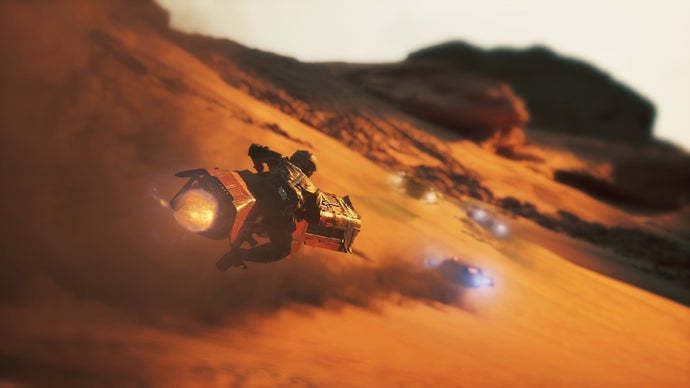
The premise of the game, referred to as Star Wars: Galactic Racer, appears to be a direct response to this perceived demand. According to Webster, the current market size is sufficient to support specific sub-genres, such as sci-fi racing, which may have struggled to find an audience in previous decades.
Market Expansion and Audience Growth
The core of Webster’s argument rests on the idea that the gaming audience is no longer monolithic. As the player base has diversified and expanded, so too has the appetite for varied experiences. This allows developers to target specific interests, like high-speed vehicle combat in a beloved sci-fi universe, without requiring the broad appeal of a mainstream shooter or RPG.
He suggests that what was once a risky proposition is now a viable opportunity. The infrastructure of digital distribution and live-service models also allows for a more direct connection between developers and the dedicated communities that form around these specific titles.
Implications for the Genre
If successful, the project could signal a shift in how publishers evaluate potential intellectual property (IP) uses. Instead of only focusing on proven, mass-market formulas, companies may look to capitalize on the deep well of nostalgia and specific gameplay loops that resonate with a smaller, yet highly engaged, segment of the market.
The racing genre itself has seen a resurgence in popularity, and pairing that with a strong IP like Star Wars could prove to be a strategic move. This approach relies on a dual appeal: attracting longtime fans of the racing genre and drawing in Star Wars enthusiasts who are interested in exploring that universe through a different gameplay lens.
Looking Ahead
At this stage, specific details regarding the game’s development timeline, release date, or platforms remain undisclosed. However, Webster’s public advocacy for the concept suggests that there is an active effort to move the project forward within the gaming community and the broader industry.
The next steps will likely involve formal announcements regarding the title’s status, which will clarify how the developer intends to execute the vision. Industry observers will be watching to see if this bet on a niche genre yields a profitable return and sets a precedent for future projects.
Source: gamesindustry.biz