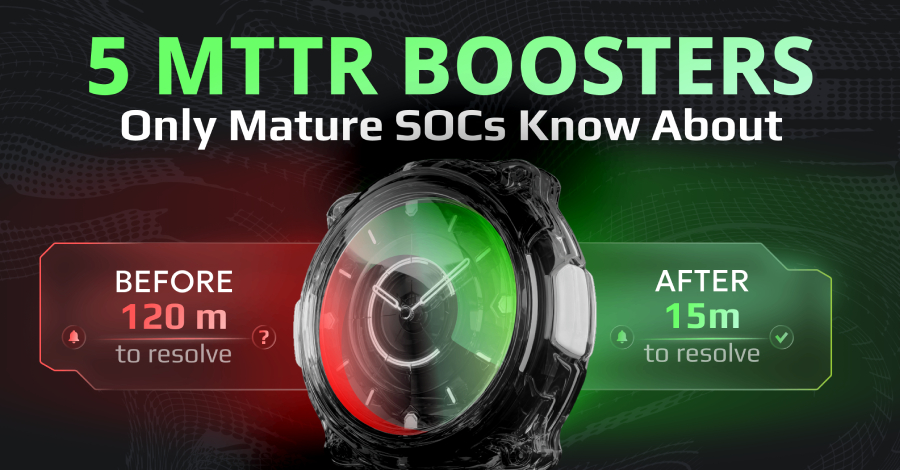

security operations centers in mature organizations are significantly reducing the time it takes to neutralize cyber threats, according to industry analysis. The key differentiator is not staffing levels but the effective integration of threat intelligence into security workflows.
The Metric of Operational Efficiency
Mean Time to Respond, commonly known as MTTR, is a critical performance indicator for security teams. It measures the average duration from the detection of a security incident to its containment and resolution. For business leadership, prolonged MTTR represents a direct operational risk. Each hour a threat persists within a network increases the potential for data theft, service interruption, regulatory non compliance, and reputational harm.
Industry observers note that a slow response time is rarely attributed to a simple shortage of security analysts. The underlying issue is often structural, involving disconnected security tools and intelligence that is not actionable for frontline defenders.
Contrasting Operational Approaches
Advanced security operations centers focus on integrating threat intelligence directly into their detection and response platforms. This integration allows automated systems to correlate alerts with known threat actor tactics, techniques, and procedures. Consequently, analysts receive prioritized and contextualized alerts, enabling faster investigation and decision making.
In contrast, less mature teams often operate with intelligence stored in separate reports or dashboards. This siloed information requires manual cross referencing by analysts, a process that consumes valuable time during an incident. The delay occurs not during the final response action, but in the preceding stages of validation and investigation.
Structural Foundations for Speed
Experts identify several foundational practices that distinguish efficient security operations. These include the automated enrichment of security alerts with relevant intelligence indicators, the use of standardized playbooks for common attack scenarios, and ensuring seamless communication between threat intelligence and incident response personnel.
Furthermore, mature teams often employ security orchestration and automation tools to execute predefined response actions. This technological leverage allows human analysts to concentrate on complex analysis and judgment calls, rather than repetitive manual tasks.
Industry Implications and Future Outlook
The emphasis on reducing MTTR reflects a broader shift in cybersecurity from prevention only to a balance of prevention and rapid response. As cyber attacks grow more sophisticated, the assumption that breaches can be entirely prevented is considered unrealistic by many professionals. Therefore, the capability to detect and respond swiftly has become a paramount objective.
Vendors in the security information and event management, extended detection and response, and security orchestration markets are increasingly designing products that promote this integrated, intelligence driven approach. The trend suggests a continued move toward platforms that unify visibility, intelligence, and response capabilities into a single operational workflow.
Organizations are expected to continue investing in technologies and processes that streamline their threat response lifecycle. The focus will likely remain on breaking down operational silos and ensuring that threat intelligence is not just collected, but is immediately usable by the systems and personnel tasked with defense.
Source: Industry Analysis