
Hasbro Incorporated, the global toy and entertainment company, has recorded a significant financial charge against its video game development portfolio. The company announced it has written down $56 million and canceled multiple game projects that were slated for release in 2028 or later.
This announcement was made public during Hasbro’s recent financial reporting period. The impairment charge, or write-down, reflects the company’s reassessment of the value of its ongoing video game projects. A write-down is an accounting term used when an asset’s market value falls below its book value, often due to project cancellations or changing market conditions.
Details of the Write-Down and Project Cancellations
Financial documents submitted by Hasbro confirm that the $56 million charge is directly tied to its interactive entertainment segment. The company stated that this action was necessary after a review of its long-term development pipeline.
Specifically, Hasbro confirmed the cancellation of “several games” that were in production. According to the company’s statements, these projects were scheduled for release in the 2028 fiscal year and beyond. Hasbro did not provide a specific number of canceled titles, nor did it disclose the names or genres of the affected projects.
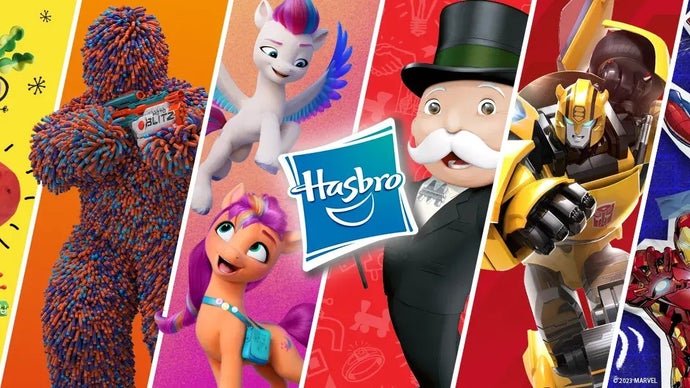
The company’s video game division is responsible for creating digital titles based on its major franchise properties. These include well-known brands such as Dungeons & Dragons, Magic: The Gathering, Nerf, Monopoly, and Transformers. The canceled projects were part of a broader strategy to expand Hasbro’s footprint in the gaming industry.
Strategic Rationale and Financial Context
Hasbro has been undergoing a strategic shift in how it approaches video game development. In recent years, the company has moved away from a model of primarily licensing its brands to external developers. Instead, it has increased its internal development capabilities, notably through the acquisition of studios like eOne and the digital gaming team from D3 Go.
However, the video game industry is currently facing headwinds. Rising development costs, longer production cycles, and shifting consumer demand have led many major publishers to restructure their operations. Hasbro’s move to cancel long-term projects is consistent with a broader industry trend toward streamlining portfolios and focusing on near-term profitability.
The $56 million charge is a notable sum, but it represents a relatively small portion of Hasbro’s overall revenue. The company generated over $5 billion in revenue in its most recent full fiscal year. The write-down indicates that the company is willing to cut losses on projects that no longer align with its financial or creative goals.
Impact on Hasbro’s Gaming Future
The cancellation of games scheduled for 2028 suggests that Hasbro is prioritizing projects with nearer-term release dates. The company has ongoing licensing agreements with external developers for key franchises. For instance, the “Dungeons & Dragons” brand is published by Wizards of the Coast, and several other titles are under development with partners.
Investors and analysts will be watching Hasbro’s upcoming earnings calls for further details. The company is expected to provide more information on its adjusted release calendar and future investment strategy. The gaming segment remains a critical growth driver for the company, particularly as it seeks to compete with larger digital entertainment firms.
The announcement also raises questions about the company’s internal studio capacity. Whether the canceled projects were being developed by internal teams or external partners has not been clarified. This distinction is important for understanding the operational impact on staff and ongoing contracts.
Broader Industry Implications
Hasbro’s decision is part of a larger pattern of consolidation and cost-cutting across the video game sector. Many companies are pulling back on ambitious, long-gestation projects in favor of proven franchises and shorter development cycles. The write-down is a financial signal that even established entertainment conglomerates are not immune to market pressures in game development.
For consumers, the cancellation means that several titles based on Hasbro’s popular brands will not come to market. It remains unclear whether any of these projects might be revived or reworked under different timelines or budgets. Hasbro has not announced any layoffs directly tied to this restructuring, but such moves often precede changes to staffing levels.
Looking ahead, Hasbro is expected to provide an updated roadmap for its video game releases. The company’s next major title releases are likely to focus on its strongest intellectual properties, particularly those with demonstrated fan bases and cross-media potential. The company’s ability to deliver profitable games in a competitive market will be a key factor for its long-term growth.
Source: GamesIndustry.biz