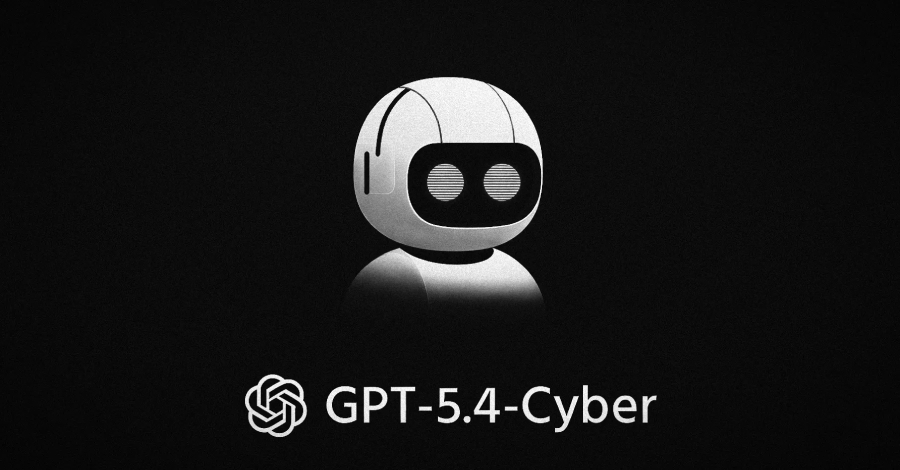

OpenAI unveiled a new variant of its flagship artificial intelligence model on Tuesday, specifically designed for cybersecurity applications. The model, called GPT-5.4-Cyber, is optimized for defensive security use cases, providing tools for professionals tasked with protecting digital infrastructure.
The announcement comes shortly after rival AI company Anthropic introduced its own advanced model, named Mythos. This development marks a continued trend of major AI labs tailoring their general-purpose technologies for specialized, high-stakes domains like national and corporate security.
Core Capabilities and Purpose
According to OpenAI, GPT-5.4-Cyber is built to accelerate the work of defenders. The company stated that the progressive use of AI empowers those responsible for safeguarding systems, data, and users by enabling them to identify and resolve vulnerabilities more efficiently.
The model is based on the GPT-5.4 architecture, which represents the latest generation of OpenAI’s large language model technology. By creating a specialized variant, the company aims to provide security teams with a tool that understands the unique language, protocols, and threat patterns inherent to cybersecurity.
Expanded Access for Security Teams
A key aspect of the launch is expanded access for qualified security professionals. OpenAI has indicated that it is making this specialized model more readily available to defensive cybersecurity teams, though specific eligibility criteria and access procedures were not detailed in the initial announcement.
This move suggests a targeted rollout strategy, prioritizing organizations and individuals directly involved in protective security measures rather than a broad public release. The focus remains on practical, defensive applications.
Context of a Competitive AI Landscape
The release of GPT-5.4-Cyber occurs within a highly competitive and fast-moving frontier AI sector. The proximity of Anthropic’s Mythos model launch highlights the strategic importance both companies place on the security domain.
Industry observers note that specialization is becoming a key battleground for AI supremacy. Moving beyond general-purpose chatbots, leading labs are now racing to deploy models fine-tuned for critical industries such as healthcare, finance, and cybersecurity, where precision and reliability are paramount.
Forward-Looking Developments
OpenAI has not publicly released a detailed roadmap for GPT-5.4-Cyber’s future development or integration into existing security platforms. The industry will be watching for performance benchmarks, independent security audits, and case studies from early adopters.
Further announcements regarding pricing, API availability, and partnerships with major cybersecurity firms are anticipated in the coming months. The evolution of this model will likely be shaped by direct feedback from the security community and the evolving nature of digital threats.
Source: Original reporting based on OpenAI announcement