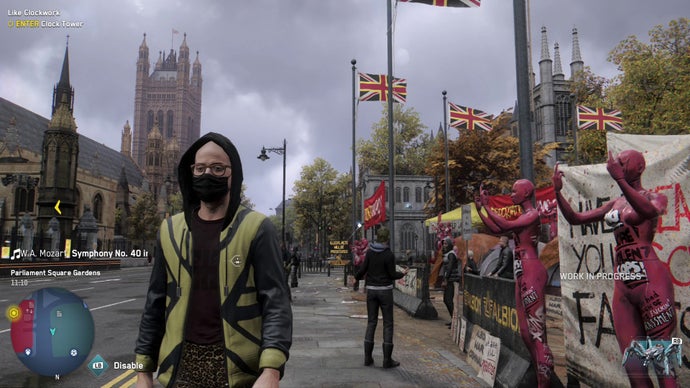

The European Union’s Artificial Intelligence Act, which took effect this year, introduces new transparency obligations for deepfake content that are now prompting video game developers to reassess how they depict real-world people and locations, industry legal experts have stated. The rules extend beyond the common understanding of deepfakes, such as manipulated videos of politicians, to a broader range of AI-generated or AI-manipulated material. This development has created concern among many studios regarding the potential prohibition of certain AI-generated assets, yet recent guidance suggests that many typical uses of artificial intelligence within games will remain lawful. The principal legal grey area, according to advisors, lies in the boundary between pure fantasy and simulated realism.
Scope of the legislation
The EU AI Act classifies deepfakes as AI-generated or manipulated content that falsely appears to be authentic or truthful. This definition covers not only synthetic videos but also voice cloning, manipulated photographs, and other synthetic media. The regulation requires that any such content be clearly labeled as artificially generated or manipulated when it is made available to the public.
Game developers frequently use AI tools to generate textures, animations, dialogue, and background characters. According to preliminary guidance from EU regulatory bodies, purely fictional content that does not impersonate a real individual, or that takes place in an obviously fantastical setting, is unlikely to fall under the deepfake labeling requirements. For example, a fantasy world with no recognisable landmarks or living persons would not need a disclosure.
Grey areas for realistic games
The complexity emerges when games incorporate real-world elements. Titles that feature realistic digital recreations of existing cityscapes, such as London or Paris, or that use likenesses of real individuals, such as historical figures or contemporary celebrities, may trigger the act’s transparency rules. The determining factor is whether a reasonable viewer would believe the content captures a real event, a real person in a real situation, or a real place as it currently exists.
Legal analysts note that a photorealistic rendering of a known building or a voice that closely mimics a public figure could be subject to labeling requirements. However, if the context makes the artificial nature obvious, such as in a cartoon style or an obviously alternative reality timeline, the obligations may not apply.
Impact on game development
Developers are now being advised to review their production pipelines for AI-generated assets that realistically depict the real world. This includes not only major releases from large studios but also independent projects that use AI tools for asset creation. Firms are reportedly consulting with legal teams to determine whether they need to add disclaimers during loading screens, in end-user license agreements, or as part of the game’s metadata.
The obligation applies to any entity making the content available within the EU, regardless of where the game is developed. This means studios outside the EU that distribute games to European players must also comply.
Lack of enforcement clarity
Despite the law being in effect, specific enforcement guidance for the video game sector remains incomplete. EU member states are still in the process of designating national supervisory authorities, and the European Commission is expected to issue further interpretative guidance in the coming months. Legal experts say this creates uncertainty for studios planning long development cycles, as the regulatory landscape could change before a game’s release.
Some industry groups have called for a phased implementation or a specific exemption for non-interactive game content, such as cutscenes or promotional trailers, but no official exemptions have been granted to date.
Conclusion
Game studios are now advised to proactively audit their use of AI-generated content that depicts real people or real-world locations. The EU AI Act requires transparency labels for such material when it could be mistaken for reality. As national regulators begin enforcement, further guidance is expected within the next eighteen months, which may clarify the legal status of many common game development practices.
Source: GamesIndustry.biz