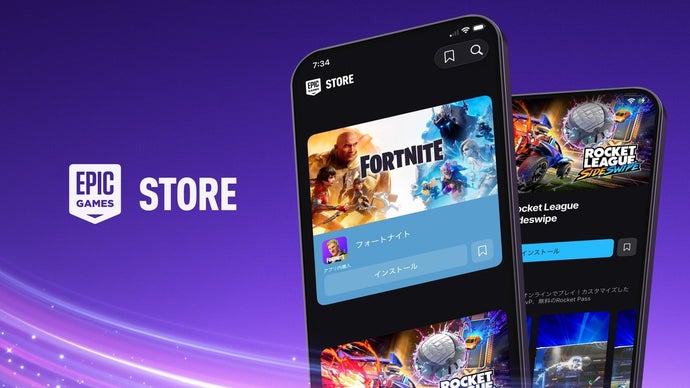

The Epic Games Store has launched on the iPhone platform in Japan, marking a significant shift in mobile app distribution within the country. The release follows the enactment of Japan’s Mobile Software Competition Act, also known as the MSCA, which came into effect in December 2025.
This development allows Japanese iPhone users to download and install the Epic Games Store directly onto their devices, bypassing Apple’s traditional App Store for the first time in a major regulated market. The move is a direct result of new competition laws designed to loosen Apple and Google’s control over mobile software distribution.
Legislative Background
The Mobile Software Competition Act was passed by the Japanese government to address concerns over anti-competitive practices in the mobile app ecosystem. The legislation targets dominant platform operators, requiring them to allow third-party app stores and alternative payment systems.
Under the MSCA, Apple is legally obligated to permit the sideloading of apps and the installation of competing marketplaces on its devices within Japan. The Epic Games Store is among the first major third-party app stores to take advantage of this regulatory change.
Impact on the Mobile Market
The launch gives Epic Games a direct distribution channel to Japanese iPhone users, a demographic known for high engagement with mobile games. Titles such as Fortnite, which was previously removed from Apple’s App Store due to a dispute over in-app payment policies, are now accessible through this new storefront.
Industry analysts note that Japan’s regulatory approach could serve as a model for other nations considering similar legislation. The European Union’s Digital Markets Act, which also mandates app store alternatives, is expected to create comparable opportunities in the European market.
Reactions from Key Players
Epic Games has publicly welcomed the regulatory change, stating that it restores consumer choice and fosters competition. The company has long argued that Apple’s control over iOS app distribution constitutes a monopoly that harms developers and users alike.
Apple, for its part, has expressed concerns about security and privacy risks associated with third-party app stores. The company has implemented new measures in Japan to comply with the MSCA while maintaining what it describes as robust user protections, including notarization requirements and malware scanning for apps distributed outside the App Store.
Technical Implementation
Japanese iPhone users can now access the Epic Games Store through a dedicated installer app. The process requires navigating new system prompts and granting permissions that were previously unavailable on iOS. Once installed, the store offers a selection of games and applications that operate independently of Apple’s payment infrastructure.
Epic has confirmed that it will use its own payment processing system within the store, avoiding Apple’s standard 30% commission on in-app purchases. This financial incentive is central to the company’s broader strategy of challenging platform fees globally.
Broader Implications for Developers
The availability of a third-party app store in Japan opens new opportunities for developers seeking alternative distribution channels. Smaller studios that have struggled with Apple’s revenue sharing terms may now find a more favorable environment in which to publish their applications.
However, developers must also consider the fragmented nature of the market. Managing multiple storefronts, each with its own review processes and technical requirements, could increase operational costs. The long-term viability of third-party stores will depend on user adoption and the stability of the regulatory framework.
Looking ahead, Epic Games plans to expand the store to other regions that have enacted similar legislation. The company has indicated that its next target markets include South Korea and the European Union, both of which have taken steps to regulate mobile app store monopolies.
Source: GamesIndustry.biz