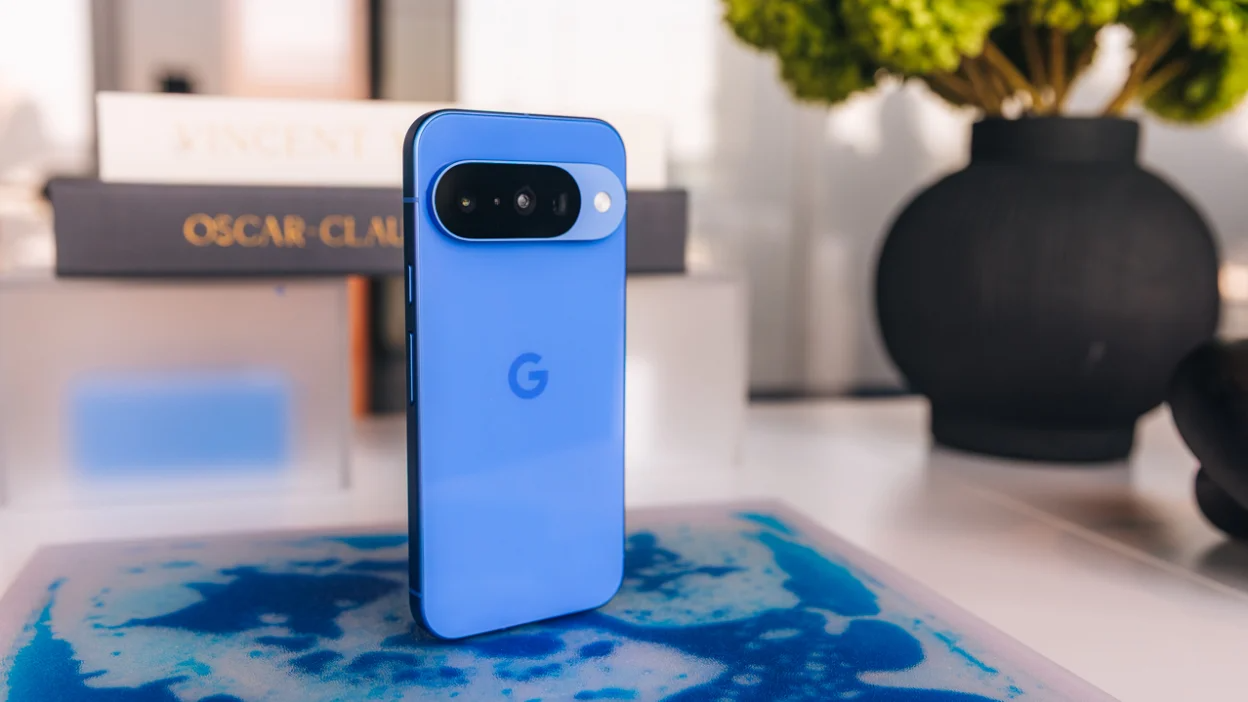

Leaked specifications for Google’s upcoming Tensor G6 chipset, expected to power the Pixel 11 series, suggest that while central processing unit performance will see a significant upgrade, graphics processing unit performance may underwhelm. The information, obtained from internal Google documentation, offers a detailed look at the company’s next-generation mobile processor and its potential capabilities.
Chipset details point to mixed performance gains
The Tensor G6, codenamed “Malibu,” is reportedly designed to compete with high-end chipsets from Qualcomm and MediaTek. According to the leaked documents, Google is prioritizing artificial intelligence and machine learning tasks with the new chip. However, the GPU component is generating concern among enthusiasts.
The leak indicates that the Tensor G6 will utilize a GPU architecture from Imagination Technologies, rather than the ARM Mali GPUs used in previous Tensor generations. While this shift could offer long-term benefits, early benchmarks suggest that raw graphics performance might be lower than the Snapdragon 8 Gen 4 and the Dimensity 9400.
CPU boost expected to be substantial
In contrast to the GPU news, the CPU configuration for the Tensor G6 appears robust. The chipset is believed to feature a prime core based on a custom ARM Cortex design, clocked at speeds exceeding 3.0 GHz. This processor upgrade is expected to deliver a substantial leap in single-core and multi-core performance, closing the gap with rival chips from Apple and Qualcomm.
Google’s focus on Tensor Processing Unit improvements is also a key takeaway. The new NPU (Neural Processing Unit) is projected to be significantly faster for on-device AI tasks, such as real-time language translation, photo editing, and advanced voice recognition.
Implications for Pixel 11 users
For the average user, the performance disparity could mean noticeable differences in specific use cases. Gaming and graphically intensive applications might see marginal improvements compared to the competition. Conversely, everyday tasks, camera processing, and AI-powered features could feel noticeably snappier.
The Pixel 11 series is not expected to launch until late 2026, giving Google time to optimize the chipset’s firmware and drivers. However, the hardware limitations of the GPU may be difficult to overcome through software alone, according to industry analysts.
Strategic shift for Google’s custom silicon
Google’s decision to move away from Samsung’s Exynos-based Tensor designs to a fully custom chip, manufactured by TSMC, is a major strategic pivot. The Tensor G5 and G6 represent Google’s attempt to take full control of its hardware ecosystem, similar to Apple’s integration of its A-series and M-series chips.
The shift to TSMC’s 3-nanometer process node is expected to improve power efficiency and thermal performance. This could help offset some of the GPU shortcomings, allowing for sustained performance under load without significant throttling.
Source: 9to5Google