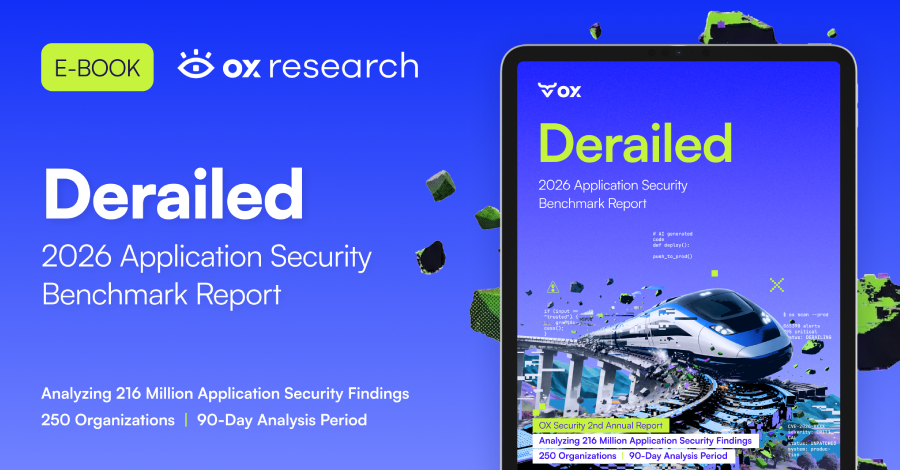

A new analysis of 216 million security findings has revealed a dramatic, fourfold increase in critical security risks over the past year. The data, compiled from 250 organizations during a 90-day period, indicates that while the overall volume of security alerts grew by 52%, the subset of issues classified as critical risk expanded by nearly 400%.
The Velocity Gap in Modern Development
The report links this sharp rise in high-severity vulnerabilities directly to the accelerating adoption of AI-assisted software development tools. This trend is creating what security researchers term a “velocity gap,” where the speed of code production outpaces the ability to identify and remediate serious flaws within it. Consequently, the density of high-impact vulnerabilities is increasing faster than traditional security measures can manage.
This environment means that a larger proportion of new code contains severe weaknesses that could be exploited. The findings suggest that development velocity, particularly when augmented by generative AI coding assistants, is not being matched by proportional investments in security testing and vulnerability management processes.
Implications for Organizational Security
The disproportionate growth in critical risk, as opposed to general alert noise, presents a significant challenge for security teams. Prioritization becomes more difficult when the pipeline of severe issues is expanding so rapidly. Organizations are now forced to scrutinize not just a greater number of findings, but a fundamentally more dangerous set of potential entry points for attackers.
This shift underscores a changing threat landscape where the traditional correlation between code volume and vulnerability count is breaking down. The integration of AI tools introduces new patterns and potentially novel vulnerability classes that may not be caught by existing scanning methodologies designed for human-written code.
Industry Response and Path Forward
The security industry is now tasked with closing this emerging gap. The next phase likely involves the development and adoption of security tools specifically designed for the AI-assisted development lifecycle. This includes more sophisticated static and dynamic analysis capable of understanding AI-generated code patterns, as well as enhanced training for developers on secure prompting and output validation.
Industry standards bodies and consortiums are expected to begin formulating best practice guidelines for secure AI-augmented development in the coming months. Furthermore, regulatory attention may increase, focusing on how organizations manage the security debt accumulated through rapid, AI-driven development cycles.
Source: Based on industry security report data