
The games industry is undergoing a strategic shift, moving away from the traditional model of releasing sequels on a fixed schedule. Industry observers note that modern consumer behavior now favors “events,” such as live in-game happenings and seasonal updates, over the launch of standalone follow-up titles. This transition reflects a broader change in how audiences interact with entertainment media.
Historically, the conventional wisdom for publishers was to “strike while the iron is hot.” The standard practice involved releasing a sequel shortly after a successful game to capitalize on public interest. Maintaining a franchise required a steady cadence of releases to sustain brand momentum and keep the player base engaged. This approach dictated the development cycles and marketing budgets for major studios for decades.
However, that model is being challenged by current market trends. The demand for constant, evolving content is reportedly outpacing the desire for periodic, boxed product releases. According to a recent analysis on GamesIndustry.biz, consumers are increasingly drawn to episodic content drops and shared social experiences within a single game. These “events” create a persistent cultural touchpoint that a launch-day sequel may no longer provide.
This pivot has significant implications for developers and publishers. Sustaining player interest now relies heavily on a live operations model, where the game is treated as a service. This requires continuous investment in server infrastructure, community management, and a pipeline of new content. The financial risk shifts from the high-stakes bet of a single sequel launch to the steady management of a long-term player community.
The shift also impacts marketing strategies. Instead of a massive promotional blitz leading to a single street date, studios are now orchestrating seasonal reveals, in-game concerts, and collaborative crossovers. These events are designed to generate recurring headlines and social media buzz, keeping the game title in the public consciousness without the downtime typically associated with development cycles between sequels.
Analysts suggest that this trend is a direct response to changes in player demographics and gaming habits. The current generation of gamers often prefers to invest time and money into a single platform or world rather than jumping between disparate single-player experiences. This behavior aligns with the “games as a service” model, which prioritizes retention and microtransactions over upfront unit sales.
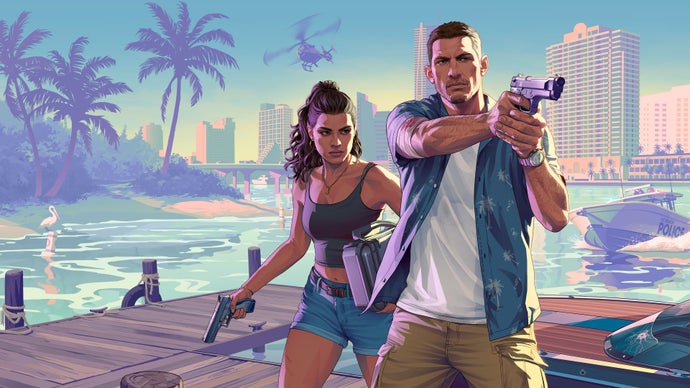
The implications are particularly relevant for established franchises known for their episodic release patterns. A notable example is the upcoming release in the Grand Theft Auto series, which has historically operated on a cycle of major releases with lengthy gaps in between. The industry is watching closely to see how such flagship titles adapt to the new expectation of ongoing engagement.
Despite the industry-wide move toward live events, the sequel is not obsolete. Rather, the definition of a sequel is evolving. It may no longer be a completely new title but a major content expansion or a seasonal narrative arc that functions as a significant milestone within the existing game. This allows the brand to evolve while maintaining the emotional and financial investment of the player base.
Looking ahead, the expectation is that the “event” model will become the standard for major publishers. We can expect to see more resources allocated to post-launch support and content roadmaps. The next steps for the industry will likely involve refining the balance between delivering high-quality standalone content and maintaining a persistent, engaging live environment for players worldwide.
Source: GamesIndustry.biz