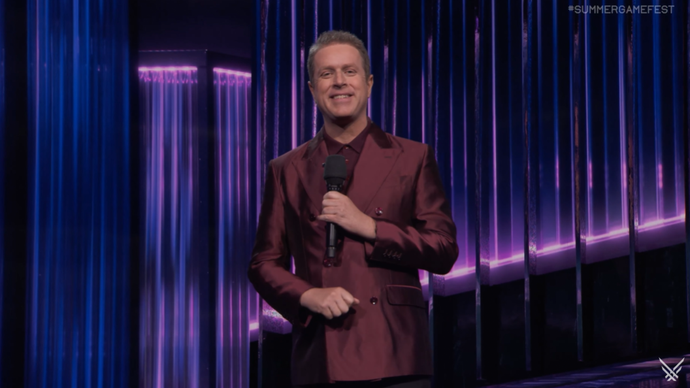

An analysis of the recent Summer Game Fest (SGF) reveals a significant disconnect between the effort invested in announcing new video games and the follow-up marketing support needed to ensure their commercial success. Industry observers note that approximately one in three games showcased at SGF appears to have a flawed launch strategy.
The observation, published by GamesIndustry.biz, highlights a growing trend where developers and publishers allocate immense resources to generate hype during high-profile events like SGF, but then fail to maintain momentum after the initial reveal. This strategy treats the game announcement as an end goal rather than the beginning of a sustained marketing campaign.
The contrast between the energy applied to the announcement versus the subsequent support is described by the report as astonishing. The suggestion that an event like SGF could be viewed as a finish line was characterized as mind-blowing by the source, considering the actual challenge begins once the game is announced.
Disconnect between hype and launch execution
The analysis focuses on a systemic issue where many developers, particularly those with limited resources, prioritize creating a strong first impression at a major showcase. This often results in a polished trailer or demo designed specifically for the event, but without a comprehensive plan for ongoing community engagement or a clear launch date.
This imbalance raises concerns about the sustainability of current marketing practices in the industry. The report suggests that announcing a title too early, without a solid strategy for maintaining player interest over the months leading to release, can lead to waning hype and lower sales figures upon launch.
Implications for developers and publishers
For independent studios and smaller publishers, the pressure to stand out at a crowded event like SGF can lead to resource misallocation. Funds that could be used for targeted advertising, public relations, and streamer outreach are instead spent on a single, high-stakes presentation.
The outcome is often that a game might generate significant buzz during the event but fade from public memory shortly after. The report underscores the need for a more balanced approach where the announcement is integrated into a longer-term marketing timeline that includes regular updates, beta tests, and community building efforts.
The role of event-driven marketing
While events like SGF remain a powerful platform for generating initial awareness, the analysis argues that they should not be the core of a launch strategy. The ultimate success of a game release depends on sustained effort across multiple channels, including social media, influencer partnerships, and press coverage, well after the event concludes.
The comments from GamesIndustry.biz indicate that developers who treat the announcement phase as a key milestone rather than a climax will likely see better results. This requires a shift in perspective within the industry, moving away from a single event-focused mentality toward a continuous marketing cycle.
Moving forward, industry experts anticipate that developers will need to develop more robust marketing plans that extend from the moment of announcement through to the actual launch date. The expectation is that publishers will begin to allocate more resources to post-event activities to ensure that the initial investment in hype translates into real commercial outcomes.
Source: GamesIndustry.biz