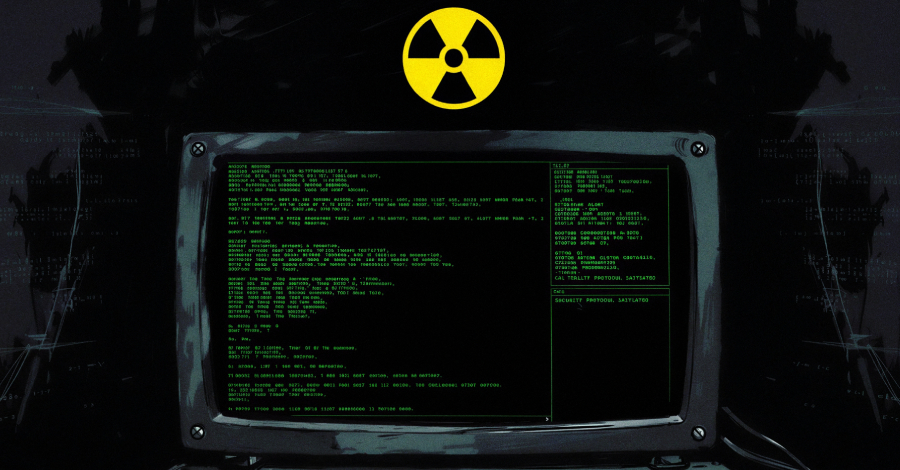

A newly detailed Analysis of the Lua-based Fast16 malware has confirmed its role as an early cyber sabotage tool specifically designed to tamper with nuclear weapons testing simulations.
Security researchers from Broadcom-owned Symantec and the Carbon Black threat analysis team have concluded that this piece of malware, which predates the infamous Stuxnet worm, was engineered to corrupt uranium compression simulations. These simulations are a critical component in the design and validation of nuclear weapons. This finding places the Fast16 operation in the historical context of state-sponsored cyber attacks aimed at disrupting physical industrial processes.
The analysis Reveals that Fast16 was a technically sophisticated tool for its time. Its primary mechanism involved a hook engine that was selectively interested in specific functions related to high-performance computing environments. The malware Targeted simulation software used by scientists to model the implosion dynamics of fissile material. By corrupting the data at specific points in these calculations, an attacker could prevent accurate predictions of nuclear yields or weapon viability without necessarily destroying the simulation entirely. This subtlety meant the sabotage could go undetected for long periods, wasting valuable research and development time.
Technical Characteristics of Fast16
Fast16 was written in the Lua scripting language, which is lightweight and often used in embedded systems and game development. This choice was deliberate. Lua can be easily integrated into larger software frameworks, making Fast16 difficult to detect by traditional antivirus signatures. The malware’s hooking mechanism allowed it to intercept function calls between the simulation software and the operating system, injecting malicious data on the fly.
The Symantec report notes that Fast16 was a prototype for later, more destructive attacks. While Stuxnet targeted centrifuges in the real world by causing physical destruction, Fast16 targeted the virtual world of simulation. The goal was not to break machines but to poison the data that governed how those machines were designed. This represents an evolution in cyber sabotage, moving from simple data theft to the manipulation of scientific outcomes.
Implications for Cyber Security
The confirmation of Fast16’s purpose underscores the ongoing threat to critical infrastructure and research. Nuclear weapons programs rely heavily on simulation to avoid costly and politically difficult live testing. A malware capable of subtly altering the physics models in these simulations could delay a program, cause it to develop faulty weapons, or mislead intelligence agencies assessing another nation’s capabilities.
Security experts point out that the Lua-based attack vector remains a potential threat. The flexibility of Lua means that modern malware could still be developed using similar techniques to target a wide range of scientific and engineering software. This includes simulations for aerospace, climate modeling, and pharmaceutical research. The key takeaway from the Fast16 analysis is that cyber defense must extend beyond protecting office networks and into the specialized realm of high-performance computing and research environments.
The discovery also provides insight into the timeline of cyber capabilities. Fast16 predates Stuxnet, which was discovered in 2010. This suggests that state actors were developing methods to influence physical outcomes through digital manipulation years before the public became aware of such risks. The functional gap between manipulating simulation data and directly controlling industrial hardware appears to have been a natural progression in attack development.
Moving forward, organizations involved in sensitive simulations and research are advised to audit their computing environments for unusual scripting behavior, particularly involving Lua. The use of whitelisting for approved scripts and rigorous input validation on simulation parameters are recommended countermeasures. Furthermore, the sharing of such threat intelligence between private security firms and government agencies will be crucial to anticipating future iterations of this type of attack.
Conclusion
The full scope of the damage caused by Fast16 remains unknown due to the clandestine nature of the targeted programs. However, the analysis provides a clear warning. As simulation becomes more central to defense and critical industries, the attack surface for data poisoning grows. The next generation of state-sponsored malware may not aim to steal secrets, but to destroy the trust in the calculations that science relies upon.
Source: Delimiter Online