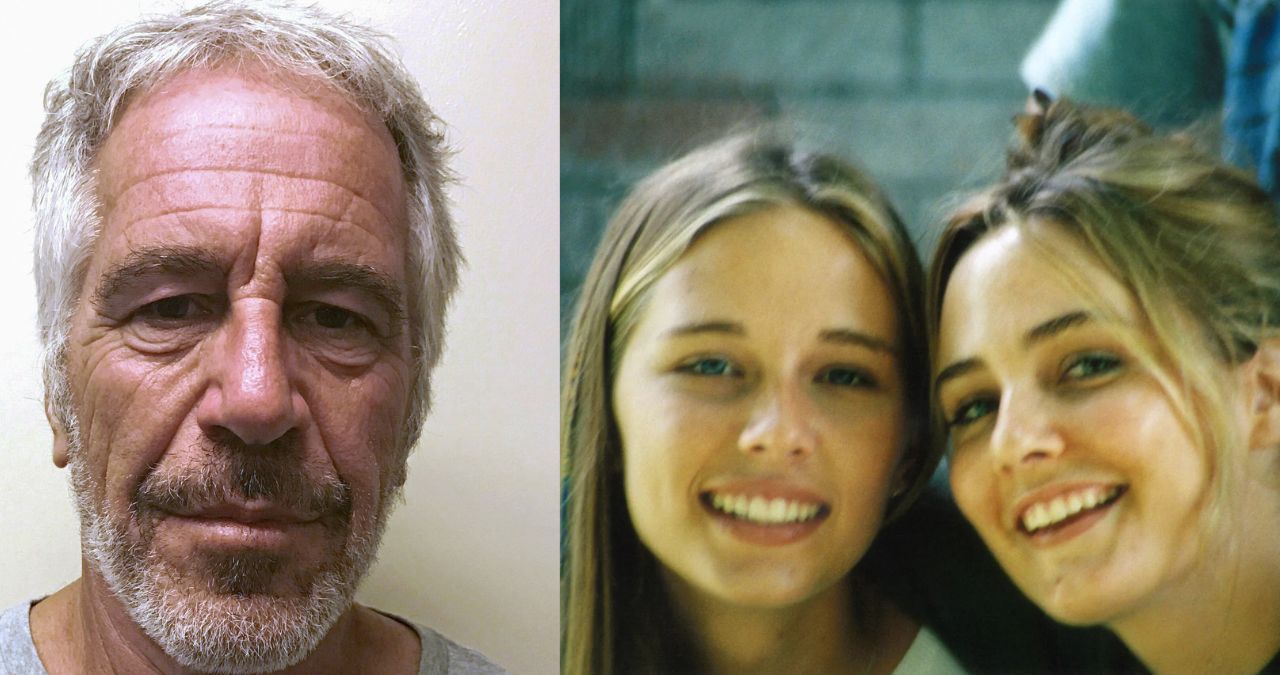

A woman who reported convicted sex offender Jeffrey Epstein to the Federal Bureau of Investigation (FBI) in 1996 has given a detailed video testimony outlining the alleged failures by law enforcement to act on her warnings at the time. Maria Farmer, an artist who says she was recruited by Epstein and his associate Ghislaine Maxwell, has described her account as the first known report against the financier to the federal agency.
Farmer stated that she contacted the FBI in 1996 after an alleged assault at Epstein’s Ohio estate. In her testimony, she claimed that FBI agents took her statement but that no immediate action was taken. She said the inaction allowed Epstein to continue his operations for more than two decades before he was finally charged in 2019, following a wave of new allegations reported by the Miami Herald.
The video testimony, shared by news outlets including Mashable, shows Farmer describing the emotional and psychological trauma she says she has endured since coming forward. She stated that she felt abandoned by a system that was meant to protect victims. Farmer’s account aligns with subsequent investigations that found the FBI mishandled the initial probe. A later Department of Justice Inspector General report confirmed that the Miami field office botched a 2006 investigation into Epstein, which might have resulted in earlier convictions.
The 1996 Report and Its Aftermath
According to court documents and media reports, Farmer met Epstein and Maxwell in the mid-1990s through her brother, an art handler. She alleges that an incident occurred in 1996 at the estate known as Zorro Ranch in New Mexico. After reporting the assault to local police and the FBI, Farmer claims she and her family were subjected to threats and intimidation, which eventually forced her to move across the country.
Farmer specifically claimed that Maxwell harassed her, including an instance where Maxwell arrived at her home. Despite providing detailed information to the FBI, Farmer alleges no subpoenas or arrests were made. The federal government eventually acknowledged that the FBI had failed to properly investigate the matter. Epstein committed suicide in a New York jail cell in August 2019 while awaiting trial on federal sex trafficking charges.
Ghislaine Maxwell was later convicted in 2021 for her role in recruiting and grooming victims for Epstein. She is currently serving a 20-year prison sentence. Farmer’s testimony has been cited by civil rights lawyers and victim advocates as a crucial example of law enforcement failures.
Legal and Systemic Implications
Farmer’s testimony has reignited scrutiny of the FBI’s internal processes for handling sexual abuse cases. Victims rights groups have called for more transparent review protocols. The testimony comes as part of a broader public conversation about the justice system’s response to powerful individuals accused of multiple crimes.
In her testimony, Farmer explicitly named several individuals she says enabled Epstein. While she did not produce new documentary evidence, her consistent account over nearly three decades adds weight to the known record. Legal experts have noted that her case underscores the difficulty victims face when reporting against wealthy and well-connected figures.
Farmer’s story is also a centerpiece of several documentaries and podcast series examining the Epstein case. She has testified before congressional committees regarding the need for reform in how federal law enforcement handles initial sexual assault complaints.
The FBI did not provide a public comment on Farmer’s latest video statement. A spokesperson for the agency referred to the already published Inspector General report, which recommended changes to internal investigative procedures for high-profile cases.
Moving forward, congressional oversight committees are expected to review the Department of Justice’s compliance with those recommendations. Proposed legislation aimed at closing legal loopholes used by Epstein remains pending. Victim advocates continue to monitor how local to federal law enforcement agencies coordinate their responses to similar reports.
Source: Mashable