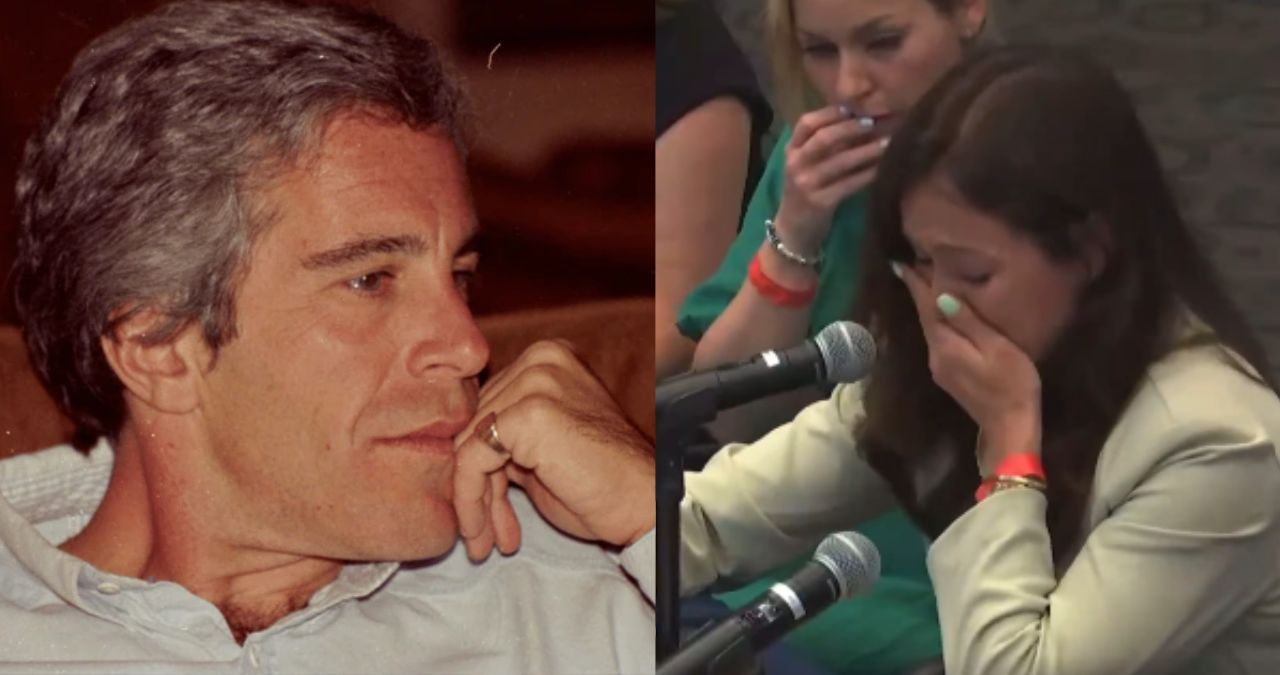

A woman identified as a survivor of Jeffrey Epstein testified in court that her identity has been leaked more than 500 times, leaving her unable to live without constantly looking over her shoulder. The emotional testimony, delivered under the pseudonym Miss Roza, highlighted the ongoing struggle for privacy that victims of high profile sex trafficking cases face after their names are exposed online.
The testimony was given during a legal proceeding related to the release of court documents and sealed materials from Epstein related cases. Miss Roza, whose real name remains protected under court order, described how the repeated leaks have destroyed her sense of security and forced her into a state of constant vigilance.
Background of the case
Jeffrey Epstein, a financier and convicted sex offender, died in a federal jail cell in August 2019 while awaiting trial on federal sex trafficking charges. His case involved a network of individuals who allegedly facilitated the abuse of dozens of underage girls over many years.
Court documents and depositions from related civil cases have been unsealed in stages, revealing names of individuals connected to Epstein’s operations. Some of those names belong to victims who testified in previous cases and who were initially granted anonymity to protect their identities and safety.
The leaks described by Miss Roza include the public dissemination of her name, personal information, and identifying details across social media platforms, websites, and forums. She stated that the leaks have occurred repeatedly despite court orders intended to shield victims from exposure.
The victims’ testimony
Miss Roza wept during her testimony as she recounted the toll the leaks have taken on her life. She told the court that she cannot engage in normal daily activities without fear of being recognized or targeted. “I can’t live without looking over my shoulder,” she said, according to court transcripts.
She stated that the leaks have not only compromised her own safety but have also affected her family members and close associates. The survivor explained that she has received threats and harassment as a direct result of her identity being made public.
Legal representatives for Miss Roza argued that the repeated exposure violates her rights and undermines the purpose of protective measures that courts granted her years ago. The leaks have forced her to relocate multiple times and have caused significant emotional and psychological distress.
Legal and privacy implications
The case raises questions about the effectiveness of court ordered anonymity in an era where digital information spreads rapidly and is difficult to contain. Once a name appears online, it can be republished, archived, and shared across jurisdictions with limited recourse.
Miss Roza’s legal team has requested that the court take stronger action to prevent further leaks, including potential sanctions against individuals or organizations responsible for publishing her identity. They have also called for stricter enforcement of existing protective orders.
The court has not yet issued a ruling on the requests made during the testimony. Legal experts following the case note that enforcing privacy protections for victims in internet mediated environments presents significant challenges, particularly when materials are already in wide circulation.
Reactions from advocacy groups
Victim advocacy organizations have expressed concern over the frequency and scale of identity leaks in cases involving sexual exploitation. They argue that the public release of victims’ names can deter other survivors from coming forward and can lead to real world harm.
Some groups have called for legislative changes that would impose stricter penalties on individuals who willfully disclose protected information about victims of sex crimes. These groups also recommend that courts adopt stronger technical safeguards to prevent the accidental or intentional release of sealed documents.
What happens next
The court is expected to review the testimony and legal arguments presented by Miss Roza’s team before issuing a decision on additional protective measures. No timeline has been announced for a ruling.
Meanwhile, discussions continue among lawmakers and legal professionals about how to balance public access to court records with the need to protect vulnerable witnesses and victims. Any changes to court procedures or data handling policies would require formal rulemaking processes that could take months or longer to implement.
Miss Roza’s case is one of several in which Epstein survivors have publicly described the long term consequences of having their names and personal details exposed. The outcome of her request for stronger protections could set a precedent for how courts handle identity leaks in future cases involving sexual abuse victims.
Source: Delimiter Online