
The video game industry has witnessed a significant economic shift, with independent developers successfully building thriving markets in territories that larger, traditional publishers have either abandoned or overlooked. This quiet transformation represents a fundamental change in the structure of the games business, moving away from the blockbuster model that has dominated for decades.
Industry observers note that the focus on major releases and cutting-edge technology often obscures a more gradual but equally important evolution. The excitement surrounding revolutionary games or new hardware can overshadow the steady, incremental growth of the independent sector. This growth is not driven by a single event but by a sustained effort from developers filling a specific market gap.
Traditional publishers have increasingly concentrated their resources on a select number of high-budget, high-risk titles. This strategy, often referred to as the “blockbuster or bust” approach, has left a wide range of game genres and player preferences unserved. Indie developers have stepped into this void, creating games for niche audiences and exploring creative concepts that larger companies are unwilling to fund.
The result is a decentralized and robust economy. Indie titles, often developed by small teams with limited budgets, can achieve commercial success by targeting specific communities and building dedicated fan bases. Platforms like Steam, itch.io, and console storefronts have lowered the barrier to entry, allowing developers to distribute their work directly to consumers without needing a major publisher’s logistical support.
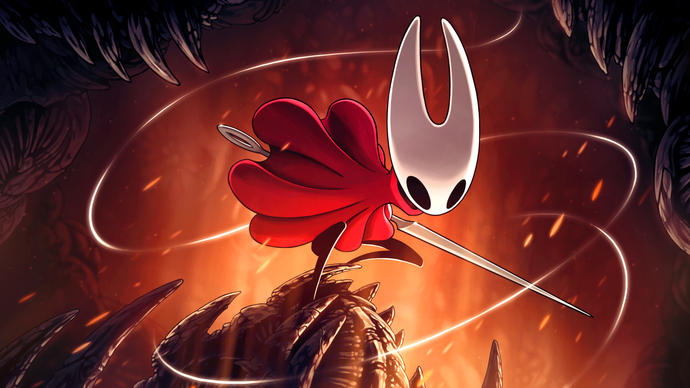
This shift has also altered consumer behavior. Players are increasingly willing to support smaller studios, valuing originality and artistic expression over polished but formulaic releases. The success of games like “Hollow Knight: Silksong,” which is highly anticipated despite being developed by a small team, exemplifies this trend. The economy of anticipation and community support has become a powerful force independent of traditional marketing budgets.
Background of the market transformation
The decline of mid-tier publishing has been a documented trend for over a decade. Major publishers have consolidated, focusing on a few intellectual properties that can generate hundreds of millions of dollars. This left a “missing middle” in the market, where games with moderate budgets and moderate sales expectations could no longer exist under the traditional model.
Role of distribution platforms
Digital distribution platforms have been critical to this change. Steam’s open publishing model, for example, allows any developer to release a game with a relatively small fee. This removes the need for physical manufacturing, warehousing, and retail relationships, which were significant hurdles for independent studios in the past.
Consumer demand for diversity
Data from market analysts shows that consumers are playing a wider variety of games than ever before. The success of simulation games, narrative adventures, and experimental mechanics on the independent market demonstrates a clear demand for experiences that do not fit into traditional genre boxes.
Implications for the industry
The rise of the indie economy challenges the notion that high production value is the only path to profitability. It suggests that a sustainable business can be built on a smaller scale, provided the developer has a clear understanding of their audience. This has implications for how games are funded, marketed, and developed.
Funding and investment
While traditional publishers are hesitant, other funding sources have emerged. Public grants, crowdfunding campaigns, and investment from specialized indie funds provide capital. This diversification of funding reduces the reliance on a single corporate entity and allows developers to retain creative control.
Looking ahead
The independent game sector is expected to continue its growth. As distribution tools become more accessible and audiences become more segmented, the opportunity for small developers to find an audience will likely expand. The key challenge remains discoverability, as the sheer volume of new releases can make it difficult for any single game to stand out. Industry experts expect that curation tools and community-driven marketing will become increasingly important in the coming years.
Source: GamesIndustry.biz