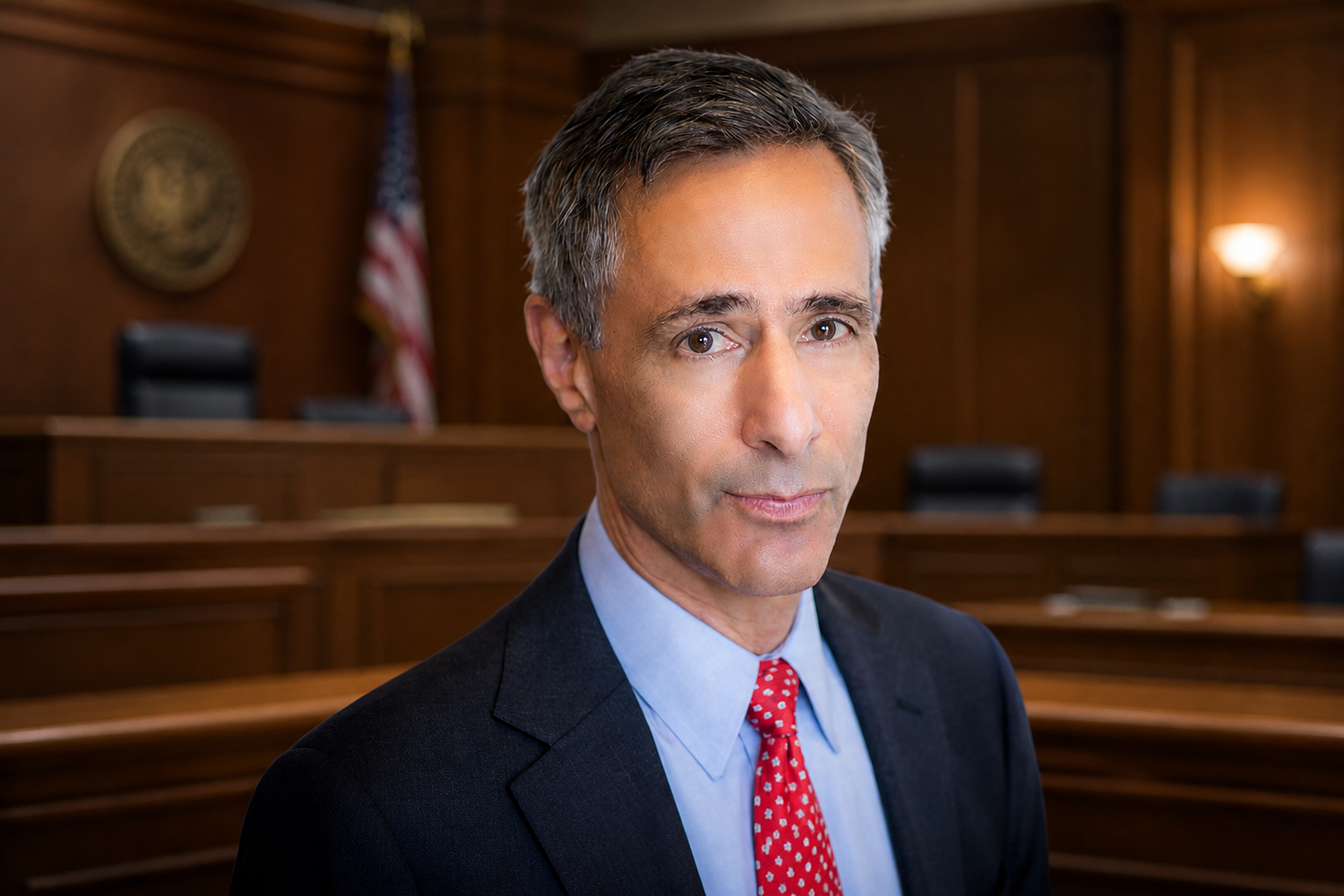

A legal professional with a history of success against Elon Musk is now representing Sam Altman in a high stakes dispute. William Savitt, a partner at the law firm Wachtell, Lipton, Rosen & Katz, has been retained by the OpenAI CEO as the company faces legal challenges from its co founder.
Savitt’s career path began far from the courtroom. According to public records and biographical information, he worked as a taxi driver before enrolling at Columbia Law School. He graduated and later joined one of the most prestigious corporate law firms in the United States, where he specializes in litigation and corporate governance.
Background and Previous Case
Savitt previously represented Tesla shareholders in a lawsuit against Elon Musk. That case centered on Musk’s 2018 compensation package, which shareholders argued was excessive and improperly approved. The Delaware Court of Chancery ruled in favor of the shareholders in early 2024, ordering the rescission of the multibillion dollar pay plan.
The ruling was a significant legal defeat for Musk. Savitt’s role in that litigation involved arguing that the compensation process lacked independence and that Musk had exerted undue influence over Tesla’s board. The court agreed, marking one of the few times a major CEO compensation package has been overturned by a judge.
The Current Dispute
In the new case, Savitt is defending Sam Altman against claims brought by Elon Musk. Musk, who co founded OpenAI in 2015, has filed a lawsuit alleging that the company has strayed from its original nonprofit mission and breached its founding agreements. The lawsuit seeks to block OpenAI’s transition to a for profit structure and to recover assets for the public benefit.
Altman has denied the allegations. His legal team, led by Savitt, has argued that the lawsuit is without merit and that Musk’s claims are an attempt to gain competitive advantage in the artificial intelligence sector. The case is being closely watched because it could set precedents for how AI companies are structured and governed.
Legal Strategy and Implications
Savitt’s approach in the Tesla case focused on procedural and fiduciary duty arguments. Legal analysts suggest he may use similar principles in the OpenAI matter, particularly regarding board oversight and corporate mission statements. The outcome could influence how other technology companies balance profit motives with stated ethical commitments.
The lawsuit also raises questions about control over advanced AI systems. Musk has stated that he wants to ensure OpenAI remains focused on safety and broad public benefit rather than commercial gains. Altman has countered that a for profit structure is necessary to attract the capital required for cutting edge AI research.
Next Steps in the Legal Process
The case is currently in its early stages. A hearing on OpenAI’s motion to dismiss the lawsuit is expected to take place in the coming months. If the motion is denied, the case will proceed to discovery, where both sides will exchange evidence and witness testimony.
Legal experts have noted that these types of corporate governance disputes can take one to two years to resolve fully. Mediation or settlement remains possible, but both parties have indicated a willingness to litigate. The court’s schedule will determine the pace of the proceedings.
Savitt’s previous win against Musk gives his current client a strategic advantage in terms of courtroom experience and knowledge of opposing counsel’s tactics. However, each case involves distinct legal questions and facts, and the outcomes are never certain in litigation.
Source: Mashable