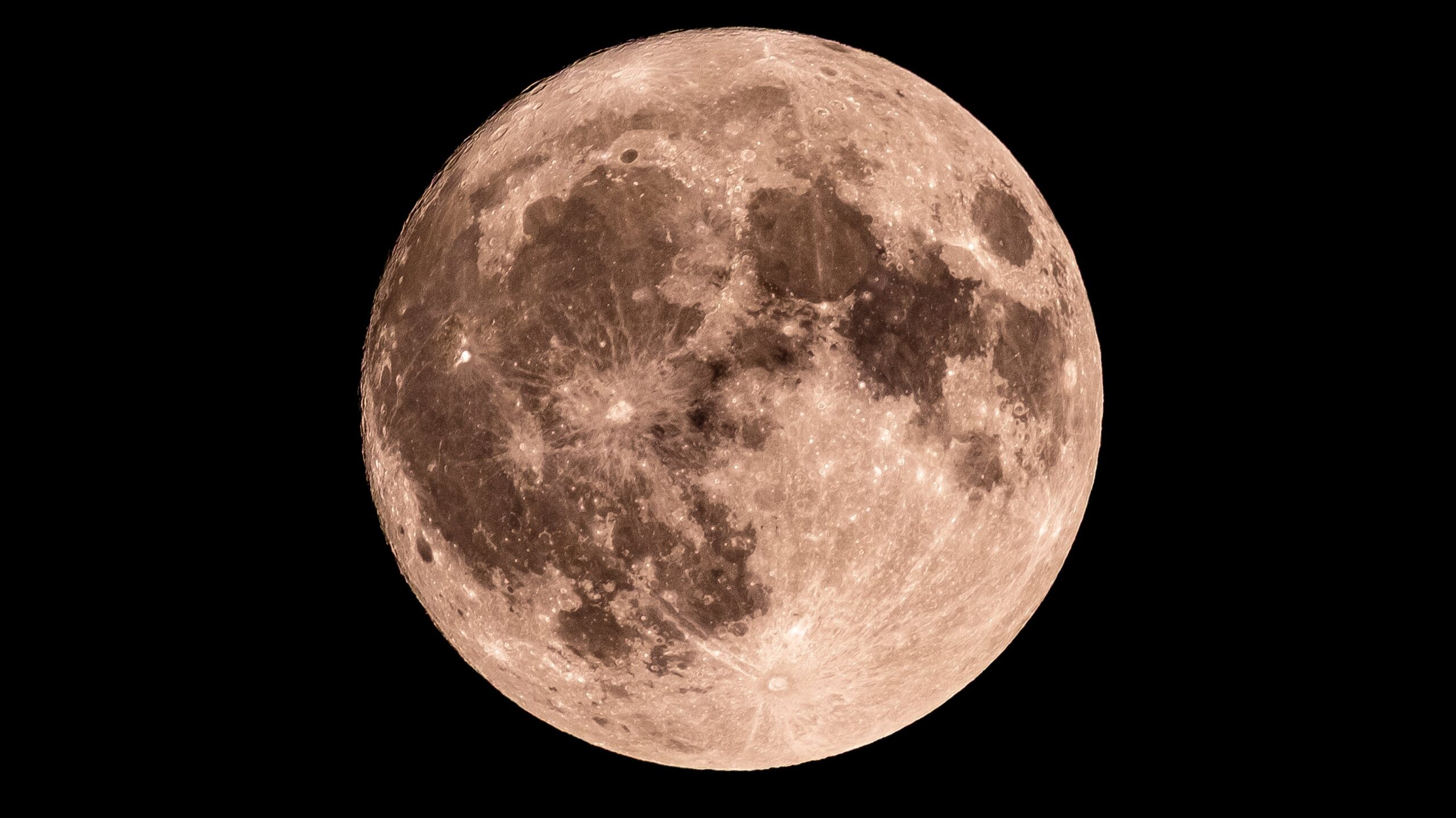

Observers looking skyward on Sunday, May 3, will see a nearly full Moon in its waning gibbous phase. The lunar surface remains highly visible, offering clear opportunities for viewing its distinctive features.
The Moon is currently in the transition period following the full Moon, gradually losing illumination as it moves toward the last quarter phase. This period typically provides excellent viewing conditions for telescopic observation.
Current Lunar Phase and Visibility
As of May 3, the Moon is classified as a waning gibbous. Astronomical data indicates that 98 percent of the visible lunar surface is illuminated tonight.
Skywatchers can expect the Moon to rise in the eastern sky during evening hours and remain visible for much of the night. The high illumination percentage means surface details such as craters and maria will be clearly discernible through binoculars or small telescopes.
The term “waning gibbous” describes the period between the full Moon and the last quarter Moon. During this phase, the illuminated portion decreases each night, moving from the right side of the lunar disk toward the left for observers in the Northern Hemisphere.
Observing Lunar Surface Features
With nearly full illumination, several notable lunar features are currently prominent. The darker areas known as maria, which are ancient volcanic plains, are easily visible to the naked eye.
Craters along the terminator line, the boundary between the illuminated and dark portions of the Moon, may show enhanced shadow detail. This provides optimal contrast for observing surface topography.
The Moon’s surface consists of two main terrain types: the lighter highlands, which are heavily cratered and older, and the darker maria, which are smoother and younger geologically. The waning gibbous phase offers balanced viewing of both regions.
Scientific Significance of lunar observation
Regular lunar observation serves scientific and educational purposes. Amateur astronomers and students can track the Moon’s orbital motion and changing illumination patterns over successive nights.
The Moon’s phase cycle takes approximately 29.5 days to complete, moving through new, waxing crescent, first quarter, waxing gibbous, full, waning gibbous, last quarter, and waning crescent phases before returning to new.
Observations during the waning gibbous phase can contribute to understanding lunar geology and surface evolution. Citizen scientists often document surface features during this period for comparison with historical records.
Space agencies continue to study the Moon through robotic missions. Recent private spacecraft have orbited the Moon and captured images showing unusual optical illusions caused by lighting conditions and terrain shadows.
Upcoming Lunar Events
Following the current waning gibbous phase, the Moon will progress toward the last quarter phase expected later this week. During the last quarter, only half of the visible surface will be illuminated.
The next full Moon, which will mark the beginning of another complete cycle, is scheduled to occur approximately two weeks from now. Observers can expect the Moon to remain prominent in the night sky throughout the current week.
For those interested in lunar observation, the waning gibbous phase offers a gradual change in illumination each night. This allows for comparative viewing and documentation of surface features under varying light angles.
The Moon’s current position in its orbit places it at a favorable distance from Earth for observation. Lunar distance varies throughout the month due to the Moon’s elliptical orbit, affecting apparent size and brightness.
Weather conditions will affect visibility. Clear skies with low humidity and minimal light pollution provide the best viewing conditions for lunar observation.
Source: Mashable