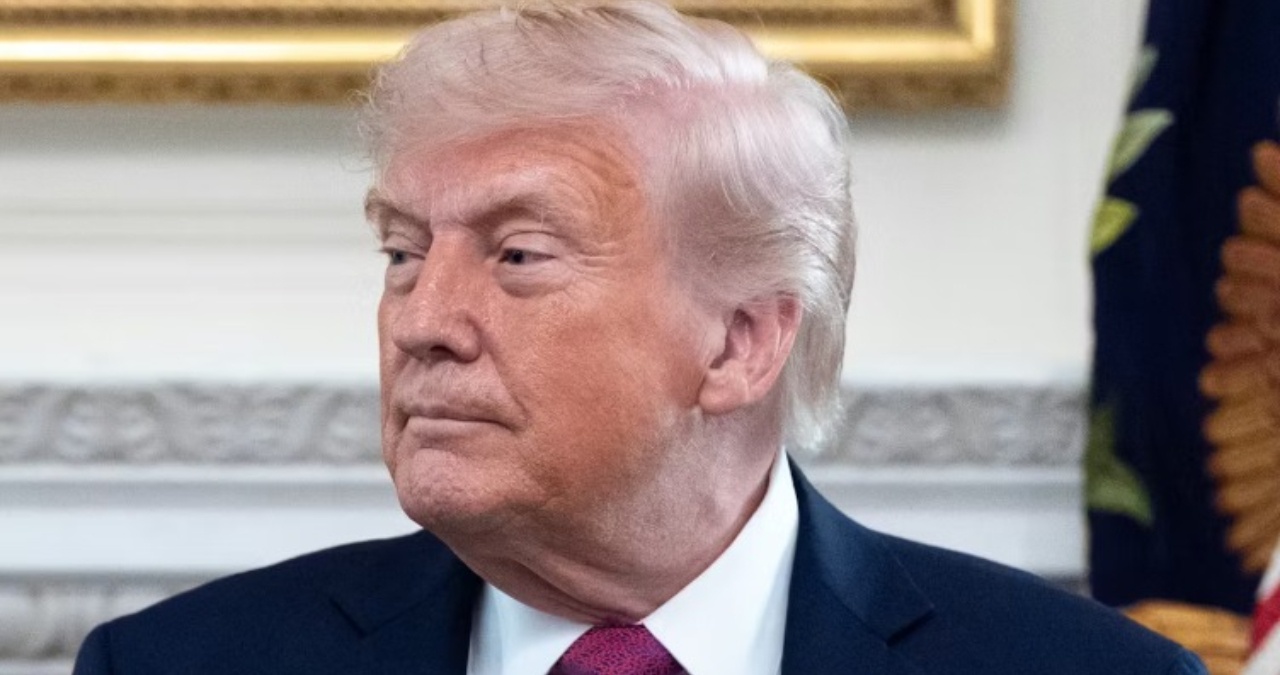

An incident involving former US President Donald Trump at the White House on April 25 has become the subject of widespread conspiracy theories on social media, with some users alleging the event was staged.
The event, which occurred during a public appearance, prompted a swift response from security personnel. While official details remain limited, the situation has been amplified across various platforms, leading to a surge in unverified claims and speculative content.
Viral Claims and Social Media Reaction
Videos and images circulating online have been used by some users to support the theory that the incident was prearranged. These claims have been shared widely, often without evidence, and have been met with both support and criticism from different online communities.
Fact-checking organizations and independent analysts have pointed to inconsistencies in these narratives, emphasizing the lack of verified information to support the staged event theory. However, the speed at which these theories have spread highlights the continued challenge of misinformation on digital platforms.
Security and Official Response
Authorities have not released a comprehensive statement regarding the specifics of the event. The absence of official confirmation has left a vacuum that speculative content has quickly filled. Standard protocol for such incidents typically involves an internal review and a public briefing, but no timeline for these steps has been announced.
The incident has also reignited discussions about the security protocols for former high-level officials and the potential risks associated with public appearances. Security experts have noted that while such events are rare, they necessitate constant vigilance.
Impact on Digital Discourse
The event underscores the broader issue of how breaking news can be rapidly distorted online. The viral nature of the conspiracy theories has prompted social media companies to review their content moderation policies, though no specific actions have been confirmed by platforms like Twitter or Facebook.
Journalists and media analysts are calling for increased digital literacy among the public to help discern verified facts from unsubstantiated claims. The incident serves as a case study in how quickly narratives can form and spread in the absence of clear, official information.
As the story develops, official channels are expected to provide more clarity. Until then, the public is encouraged to rely on primary sources and established news outlets for accurate updates.
Source: Mashable