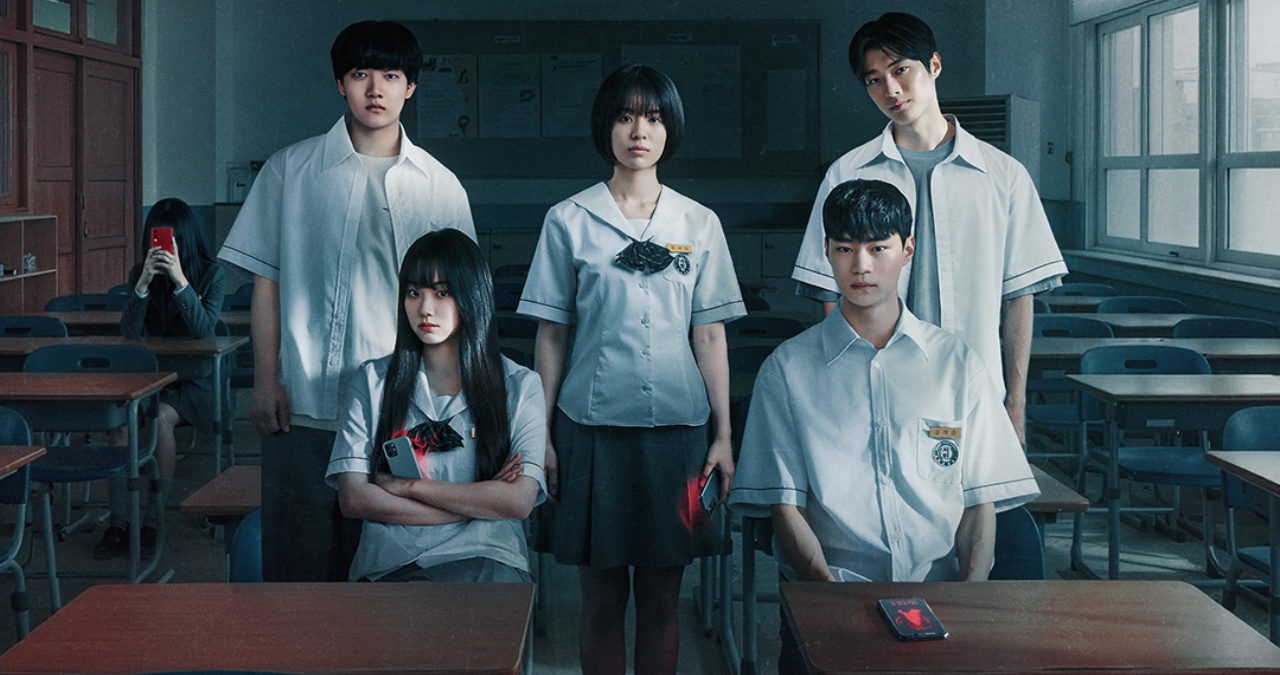

Netflix’s latest South Korean thriller series, “If Wishes Could Kill,” has concluded its run, leaving viewers with a chilling final act centered on a mysterious smartphone application. The show, which blends supernatural horror with a contemporary tech setting, follows a journalist investigating a string of deaths connected to a cursed wish-granting app called Girigo.
The series, which premiered on the streaming platform, has drawn significant attention for its critique of digital-age desperation and the consequences of unchecked ambition. The conclusion provides a definitive answer regarding the fate of the protagonist, Na-ri, and the true nature of the application.
What is the Girigo App?
The central plot device of “If Wishes Could Kill” involves the Girigo app, a mobile application that appears to grant a user’s deepest wish. However, the granting of the wish comes at a terrible cost. Each wish is fulfilled through a violent and often fatal accident or coincidence that kills another person. The app essentially operates as a death warrant, trading one life for the fulfillment of a desire.
The narrative explores the moral decay of users who, after downloading the app, are presented with a tempting but unethical shortcut to their goals. The show’s setting in a modern, connected metropolis underscores how easily a corrupting influence can spread through digital networks.
The Final Revelation: Na-ri’s Fate
In the series finale, the protagonist Na-ri, a determined journalist, uncovers the app’s origin. The curse was not a supernatural entity but a meticulously designed piece of social engineering. The app was created by a group of individuals who were victims of societal injustice, seeking a twisted form of vengeance. They weaponized human greed and selfishness by allowing users to indirectly kill their rivals, enemies, or obstacles.
Na-ri’s investigation leads her directly to the source of the app. In a confrontation with the creators, she learns that the application’s logic is inescapable. The system cannot be shut down without the original programmers’ intervention, and they have no intention of stopping. The series reaches its climax when Na-ri, in a bid to protect an innocent person, is forced to make a choice. She is tricked into becoming a user herself when she desperately wishes for a loved one to survive a medical crisis.
Na-ri’s wish is granted. The loved one recovers, but a series of events leads to the death of one of the app’s creators. This act completes a cycle, turning Na-ri from a investigator into a participant. The final scenes show Na-ri struggling with the guilt of having become part of the system she sought to destroy. She survives physically, but the psychological weight of her actions and her complicity in the app’s cycle of death leaves her a broken and morally compromised figure. The show does not offer a happy ending, instead presenting a cautionary tale about the price of getting exactly what you wish for.
Implications and Themes
The ending of “If Wishes Could Kill” serves as a direct critique of the modern culture of instant gratification and the willingness of individuals to harm others for personal gain. The Girigo app is a metaphor for the dark side of social media algorithms and recommendation engines, which can amplify human vices such as envy, jealousy, and greed.
The series also highlights the failure of institutions. The police are portrayed as inept or corrupt, unable or unwilling to link the seemingly random accidents caused by the app. It is only through the independent journalism of Na-ri and her colleagues that the truth comes to light, though at a severe personal cost.
Conclusion and Future Outlook
As the credits roll, the Girigo app remains active on the network. While Na-ri destroys the master server room, the implication is that the code has been distributed and is impossible to eliminate entirely. A final post-credits scene shows a new user receiving the link to download the app on their phone, suggesting that the cycle of violence and wish-granting will continue. The series ends on a bleak, cyclical note, suggesting that while one investigator may be defeated, the underlying human desires that fuel the app will remain.
Source: Mashable