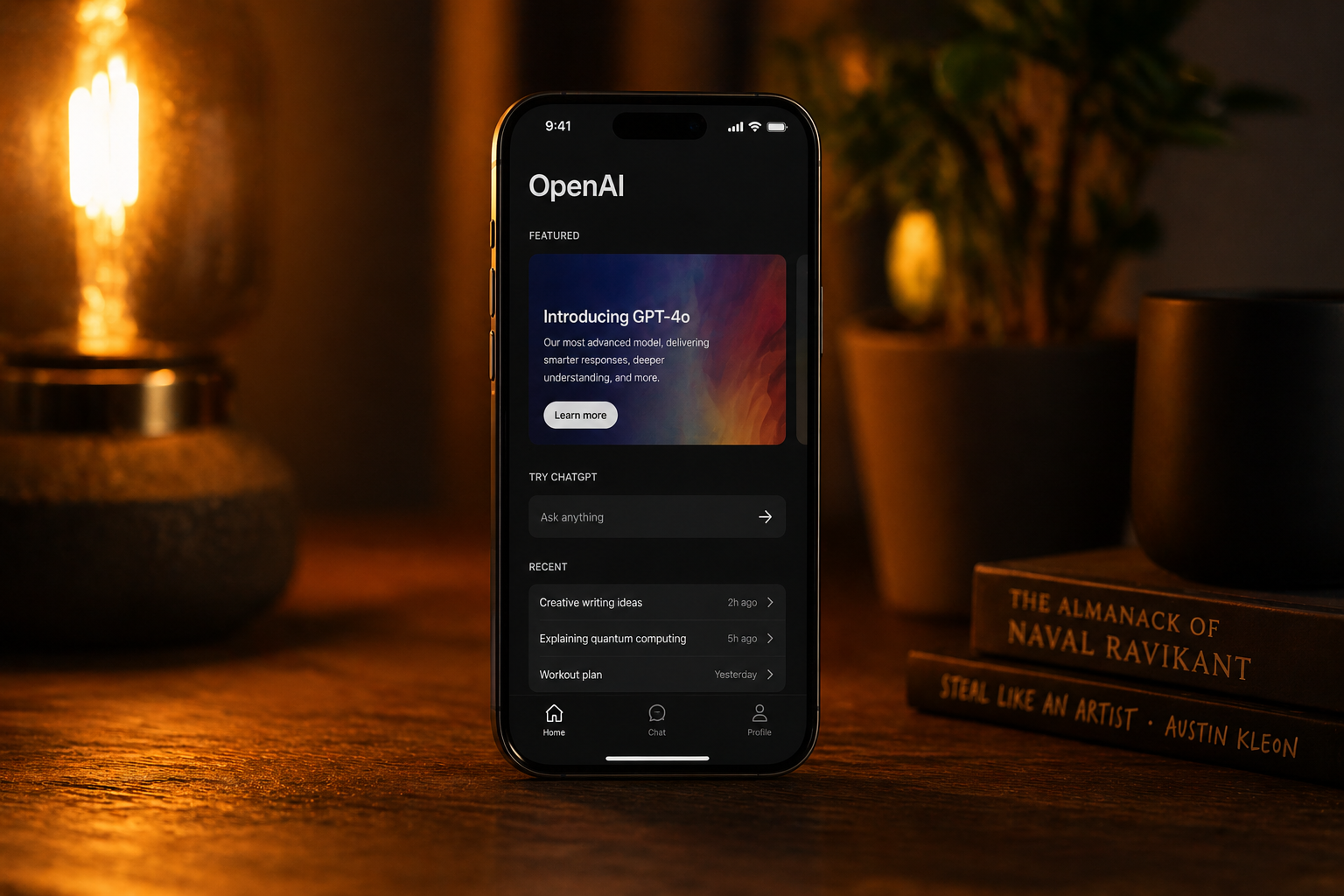

OpenAI is reportedly developing its own smartphone, with a potential launch date set for 2028, according to information circulating in the technology sector.
The news, which emerged from industry sources close to the company, suggests that the artificial intelligence firm is working on a device that would integrate its advanced AI models directly into the hardware. This would mark a significant shift for OpenAI, which has primarily operated as a software and research organization.
What is Known About the OpenAI Phone
Details remain limited at this stage, but reports indicate that the device would feature deep integration of OpenAI’s AI capabilities, such as GPT powered assistants, directly into the smartphone’s core functions. This would differ from current smartphones that run AI applications as third party software.
The project is said to be in an early development phase, with the company exploring partnerships with hardware manufacturers to produce the physical device. No official confirmation has been provided by OpenAI regarding the project.
Potential Implications for the Smartphone Market
If the reports are accurate, an OpenAI smartphone could challenge established players in the mobile market, including Apple, Samsung, and Google. The device would potentially offer a user experience built entirely around AI driven interactions, from voice commands to predictive actions based on user behavior.
Industry analysts note that OpenAI would need to overcome significant hurdles in hardware design, manufacturing, and supply chain management, areas where the company lacks direct experience. The 2028 timeline suggests that the company is taking a long term approach to addressing these challenges.
Background on OpenAI’s Hardware Ambitions
OpenAI has previously shown interest in hardware development. The company has hired engineers with backgrounds in consumer electronics and semiconductor design. In 2023, reports surfaced that CEO Sam Altman was exploring the development of custom AI chips to reduce reliance on existing processors.
The smartphone project would represent a natural extension of these efforts, combining custom silicon with OpenAI’s proprietary software to create a device purpose built for AI workloads. This approach mirrors strategies used by Apple and Google, which design their own processors to optimize performance for specific tasks.
Challenges and Market Context
Developing a smartphone from scratch is a capital intensive endeavor. Even well funded technology companies such as Microsoft and Amazon have struggled to gain traction in the mobile market. OpenAI would need to invest billions of dollars in research, development, and production infrastructure.
The company would also need to secure agreements with mobile network operators and manage distribution channels globally. These challenges have proven difficult for other software companies attempting to enter the hardware space.
Privacy and security concerns could also arise given the device’s deep AI integration. Users and regulators may question how personal data would be handled by an AI system embedded directly into the phone’s operating system.
Expected Timelines and Next Steps
The reported 2028 target date suggests that any product launch remains several years away. In the interim, analysts expect OpenAI to continue building its hardware team and seeking partnerships with established manufacturers. The company may also release prototype designs or developer kits in the coming years to test the market.
Observers will watch for official statements from OpenAI or its partners as the project develops. For now, the information remains unconfirmed and subject to change as the company evaluates its strategy in the competitive mobile hardware sector.
Source: Mashable