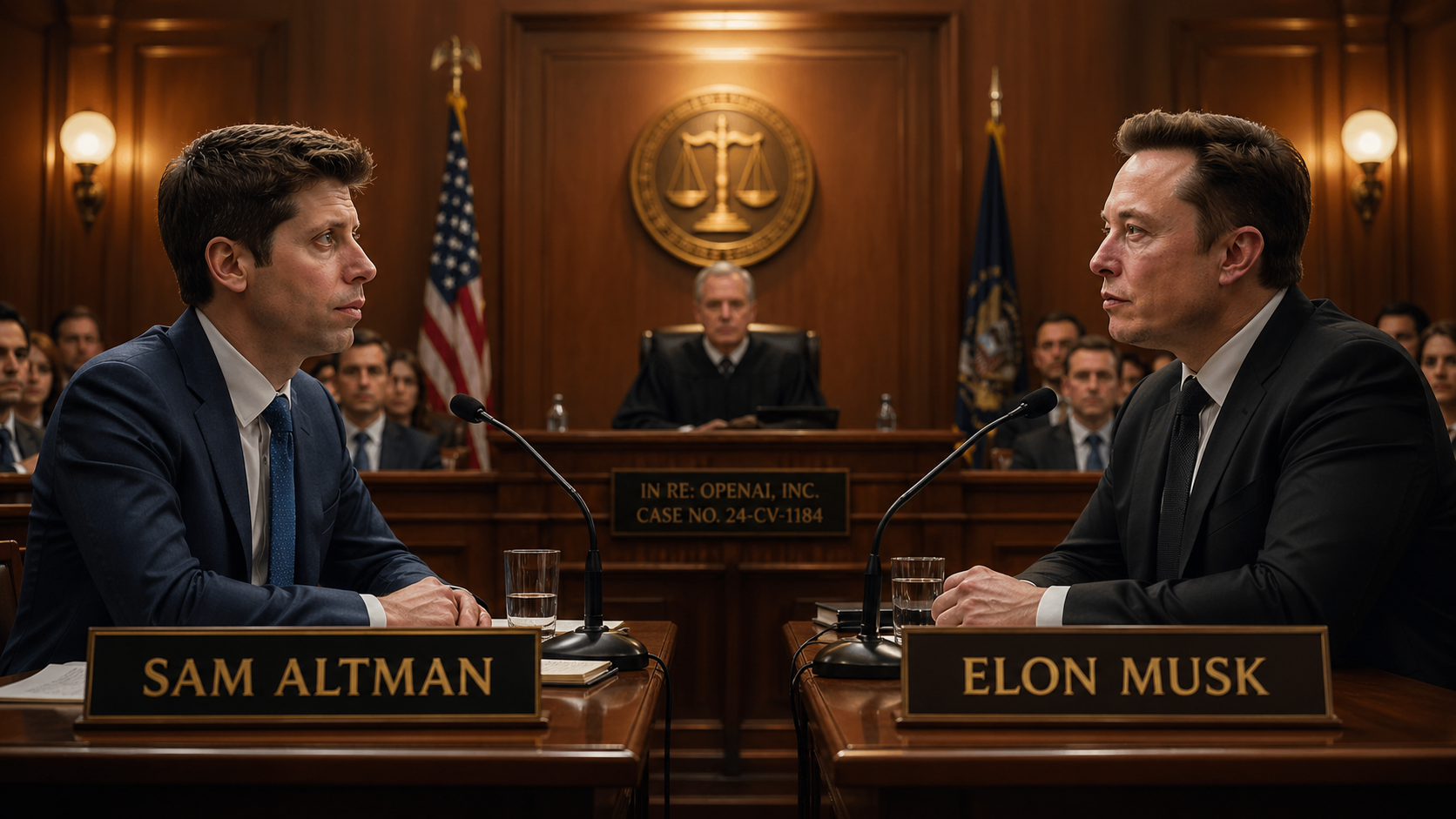

A highly anticipated legal dispute between two of the most prominent figures in the artificial intelligence industry began in a San Francisco courtroom today. The trial, which is expected to last four weeks, pits Elon Musk against Sam Altman in a case that could have significant implications for the future of AI development.
The proceedings center on claims made by Musk regarding the founding and direction of OpenAI, the company behind the widely used ChatGPT service. Musk, who was an early co-founder and investor in the organization, has alleged that Altman and other leaders deviated from the original non-profit mission of the company.
The court will hear arguments related to the core premise of the lawsuit, which focuses on whether OpenAI has breached its founding principles. The original charter of OpenAI, established in 2015, committed the organization to developing artificial general intelligence (AGI) for the benefit of all humanity, rather than for private profit.
Background of the dispute
OpenAI was initially created as a non-profit research laboratory. Musk contributed substantial funding during its early years and helped attract top talent. The structure of the company changed in 2019 when a for-profit arm was created to raise the capital needed for the expensive computing resources required to train advanced AI models.
Altman, who serves as the chief executive officer of OpenAI, has publicly stated that the shift to a for-profit model was necessary to compete with large technology companies such as Google and Microsoft. Microsoft has since invested billions of dollars into OpenAI and integrated its technology into products like Bing and Azure.
Musk left the OpenAI board in 2018, citing potential conflicts of interest related to his work at Tesla, which was developing its own AI systems. Since then, he has been a vocal critic of the company, particularly after it launched ChatGPT and secured its partnership with Microsoft.
Key arguments and evidence
The plaintiffs, led by Musk, are expected to present internal communications and documents that they argue show a clear commitment to the non-profit mission. They will contend that the creation of the for-profit entity and the partnership with Microsoft represent a fundamental breach of that agreement.
The defense, representing Altman and OpenAI, will likely argue that the company has always been transparent about its need to evolve to achieve its goals. They will present evidence that the current structure is the most effective way to ensure that AGI is developed safely and made widely available.
Technical experts are expected to testify about the nature of AGI and the challenges of funding such research. The court may also hear from industry observers about the competitive landscape and the role of major technology firms in AI development.
Potential implications
The outcome of this trial could have far-reaching consequences for the AI industry. A ruling against OpenAI could force changes to the company’s governance structure or its relationship with Microsoft. It might also set a precedent for how other AI companies balance non-profit ideals with the financial realities of commercial development.
Observers have noted that the case touches on broader questions about accountability and oversight in the AI sector. The trial is being closely watched by regulators, investors, and researchers around the world.
What happens next
The trial is scheduled to run for four weeks, with testimony expected from key witnesses including both Musk and Altman. Both men are likely to be called to the stand to explain their actions and motivations during the early years of the company.
After the close of evidence, the judge will deliberate before issuing a ruling. A decision could come weeks or months after the trial concludes. Either party may choose to appeal the verdict, which could extend the legal process for additional years.
Source: Mashable