
Anthropic’s preview of its Claude Mythos cybersecurity system has shifted the discussion in the security community from the pace of vulnerability discovery to the capacity for remediation. Since the announcement on April 7, early reports indicate the AI system can identify security weaknesses at a scale previously unattainable, forcing organizations to confront their ability to respond effectively.
AI Driven Discovery Outpaces Human Response
The preview of Claude Mythos has generated significant debate among cybersecurity professionals. The system is designed to automate the detection of vulnerabilities across large codebases and network architectures. Early descriptions suggest it can flag potential exploits rapidly, but this speed introduces a distinct operational challenge.
Security teams now face a bottleneck in validation, prioritization, and remediation. The volume of findings generated by such a tool could overwhelm existing workflows that rely heavily on manual analysis. Organizations must assess whether their current incident response frameworks can handle an accelerated discovery cycle.
The Remediation Gap
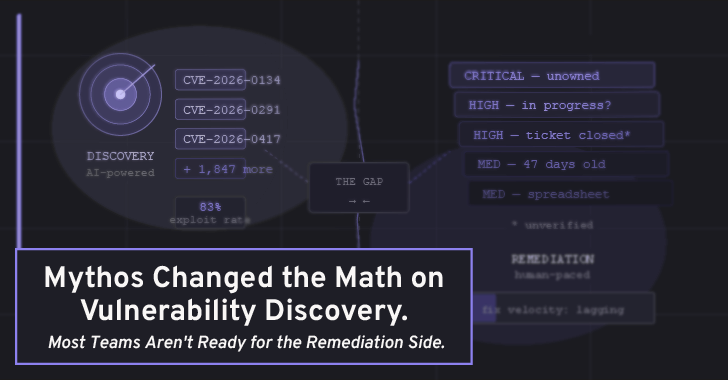
Industry observers note that the focus on discovery has overshadowed a critical weakness in many security programs: the remediation side. Information security professionals often struggle to patch vulnerabilities even when they are identified. The introduction of a tool like Claude Mythos could amplify this issue by producing a higher number of actionable alerts.
Companies may need to invest in automated patch management systems and streamline their change management processes. Without these adjustments, the theoretical benefits of faster discovery could be negated by slow or incomplete remediation. The challenge lies in moving from detection to resolution without adding operational risk.
Implications for Security Operations
The debate surrounding Claude Mythos has highlighted a fundamental imbalance in cybersecurity investments. Many organizations allocate resources to detection technologies while underfunding the teams and processes required for fixing identified issues. The Anthropic preview serves as a reminder that discovery without remediation offers limited protection.
Security operations centers (SOCs) may need to expand their scope to include more proactive patching schedules. Integration between AI discovery tools and existing orchestration platforms will be essential to automate the triage of findings. Failure to address this gap could lead to a backlog of unpatched vulnerabilities, increasing exposure to real attacks.
Industry Reaction and Next Steps
Cybersecurity analysts have called for a broader discussion on the lifecycle of vulnerability management. The preview of Claude Mythos has prompted some organizations to review their incident response playbooks and resource allocation. Early adopters are reportedly testing the system in controlled environments to understand its impact on workflow.
Anthropic has not released a timeline for a wider rollout of the product. The company has stated that feedback from the preview will inform future development cycles. Security teams are advised to prepare for a scenario where vulnerability discovery becomes significantly faster and more comprehensive.
Looking ahead, the industry may see increased demand for automated remediation tools and services. The emphasis on discovery speed will likely shift toward the speed and accuracy of fixes. Organizations that invest now in bridging the discovery remediation divide will be better positioned when the tool becomes commercially available.
Source: Delimiter Online