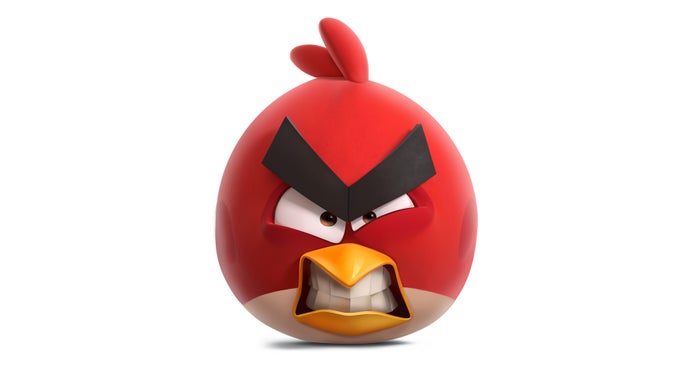

Finland based mobile game developer Rovio, best known for the Angry Birds franchise, has been operating under Japanese conglomerate Sega since its acquisition in 2023 for $776 million. The purchase, finalized in August 2023, saw Sega add Rovio’s mobile gaming portfolio and development expertise to its broader entertainment holdings. Industry observers have since questioned how the integration has progressed and whether the acquisition has yielded the strategic benefits Sega anticipated.
In a recent interview with GamesIndustry.biz, Rovio executives provided a candid update on the company’s performance and cultural alignment since joining Sega. The discussion highlighted key operational changes, retention of leadership, and the ongoing development of new titles within the Angry Birds universe. While specific financial figures were not disclosed in the interview, the tone suggested a generally positive trajectory for the studio.
Operational integration and cultural fit
According to the interview, the integration process has been smoother than initially expected. Rovio’s management team reported that Sega has largely allowed the Finnish studio to maintain its independent creative direction. This approach has helped preserve the studio’s workplace culture, which was a primary concern among employees during the acquisition.
Rovio continues to operate from its headquarters in Espoo, Finland, with no major relocation or restructuring announced. The company stated that Sega’s support has provided additional resources for marketing and distribution, particularly in Asian markets where Sega has a strong existing presence. This access has been beneficial for launching localized versions of existing games.
Product pipeline and franchise management
The core Angry Birds franchise remains the central focus of Rovio’s product strategy. The studio confirmed ongoing work on new installments and updates for existing titles. While specific release dates were not provided, the company indicated that development cycles have remained on schedule post acquisition. The Angry Birds brand continues to generate revenue through in app purchases, advertising, and licensing agreements.
Rovio also noted that it is exploring original intellectual property, though no details were shared regarding potential new franchises. The company emphasized that any new projects would need to meet the high quality standards established by the Angry Birds series. Sega’s global distribution network has been leveraged for these efforts, particularly for the Japanese and European markets.
Workforce and talent retention
Staff retention has been a significant priority for both companies. Rovio reported that employee turnover has remained within industry norms since the acquisition. The company attributed this to clear communication regarding job security and career development opportunities under Sega’s ownership. No major layoffs or involuntary departures were reported in connection with the acquisition.
The interview indicated that Rovio has continued hiring for key positions, particularly in engineering and game design. The company has also maintained its internship and graduate recruitment programs in Finland. This suggests that Sega views Rovio’s talent base as a valuable asset worthy of preservation and expansion.
Financial context and market position
The acquisition was part of Sega’s broader strategy to strengthen its mobile gaming division. Rovio’s established user base and monetization expertise were seen as complementary to Sega’s existing portfolio, which includes console and arcade properties. Since the acquisition, Rovio has contributed to Sega’s quarterly earnings reports, though specific revenue breakdowns are not publicly available.
Market analysts have noted that the mobile gaming sector has faced headwinds, including changes in app store policies and increased competition. However, Rovio’s position as a top tier mobile developer has helped it navigate these challenges. The company’s ability to generate recurring revenue through live service models remains a key strength.
Future outlook and expected developments
Looking ahead, Rovio plans to release new content for its existing titles throughout the remainder of the fiscal year. The company is also evaluating opportunities for cross platform expansion, potentially bringing Angry Birds properties to new formats. Sega has indicated that it will continue to support Rovio’s independent operations while leveraging synergies where appropriate.
No timeline has been announced for major new franchise launches. However, Rovio has stated that it will provide updates on its product roadmap during scheduled investor calls and industry events. The company remains committed to its mobile first strategy, with no current plans to pivot to console or PC development. Observers will be watching for signs of further integration between Rovio’s mobile expertise and Sega’s broader entertainment ecosystem.
Source: GamesIndustry.biz