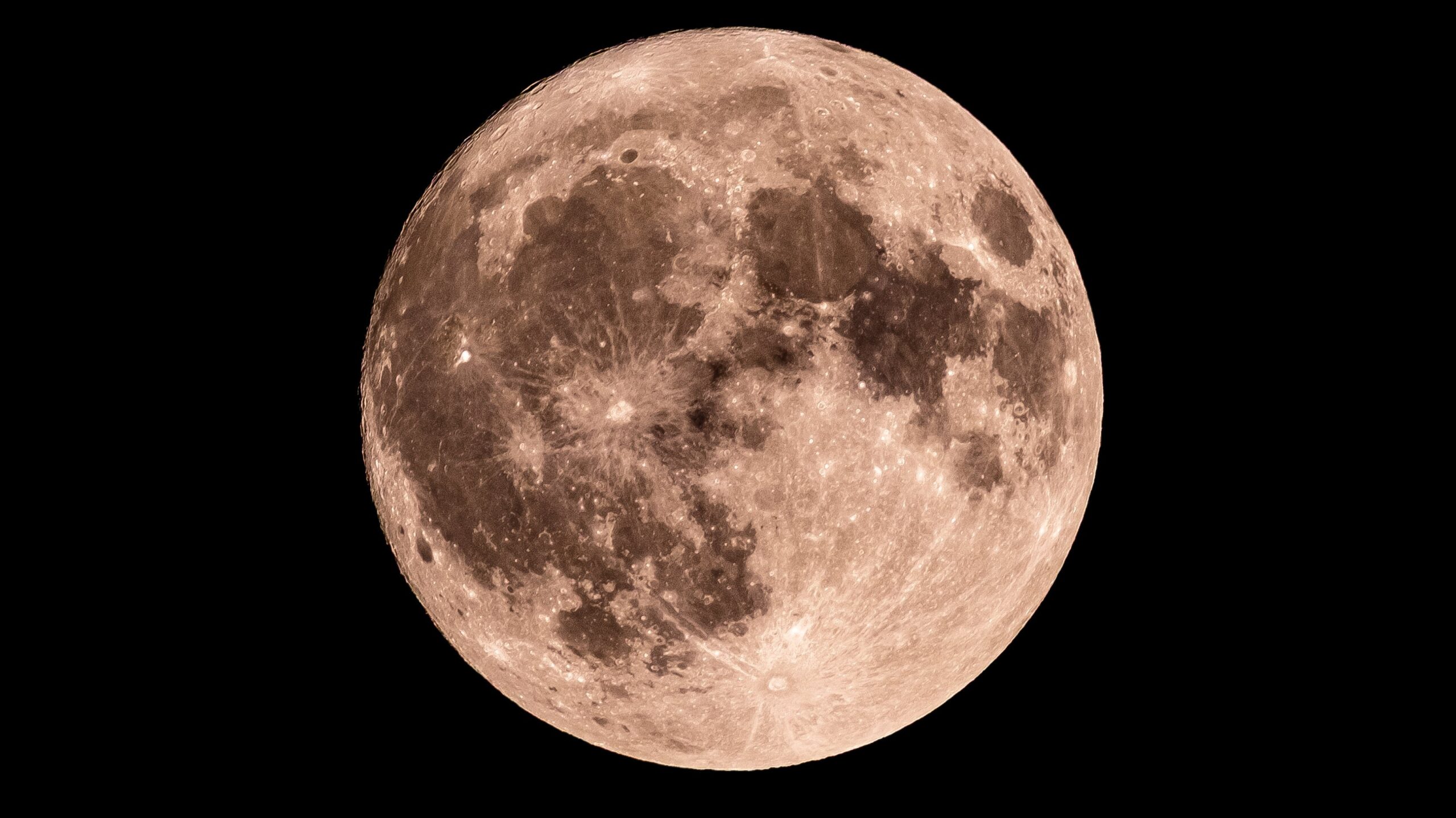

On Tuesday, April 21, the Moon will be in a waxing crescent phase, with approximately 20 percent of its visible surface illuminated. This celestial event is observable worldwide, marking the fourth day of the current lunar cycle. The increasing illumination provides an opportunity for skywatchers to observe the Moon’s features as it progresses toward the First Quarter phase.
Current Lunar Visibility
The Waxing Crescent phase signifies a period of growing visibility following the New Moon. During this phase, a sliver of the Moon’s right side becomes illuminated by the Sun, while the majority remains in shadow. The term “waxing” indicates that the illuminated area is increasing each night.
Observers will see the Moon appearing in the western sky after sunset. It will set several hours after the Sun, with optimal viewing conditions occurring during early evening hours. The visibility and clarity of the crescent can be affected by local weather conditions and atmospheric pollution.
Scientific Context of Lunar Phases
Lunar phases are caused by the changing relative positions of the Earth, Moon, and Sun. The Moon does not produce its own light; the visible illumination is sunlight reflecting off its surface. The portion of the Moon illuminated from Earth’s perspective changes cyclically over approximately 29.5 days, known as a synodic month.
The Waxing Crescent phase occurs between the New Moon and First Quarter. During this time, the Moon is moving away from the Sun in the sky from our vantage point on Earth. This orbital mechanics results in the gradual revelation of the lunar surface that faces Earth.
Observation and Historical Significance
For astronomers and casual observers, the Waxing Crescent phase offers a chance to view lunar features along the terminator, the line separating day and night on the Moon’s surface. Shadows are longest at the terminator, making craters and mountains appear more prominent and detailed through binoculars or telescopes.
The tracking of moon phases has been fundamental to human culture for millennia, informing calendar systems, agricultural practices, and religious observances across civilizations. The crescent moon holds particular significance in various cultural and religious traditions.
Forward Lunar Cycle Outlook
Following the Waxing Crescent of April 21, the Moon will continue to wax toward the First Quarter phase. In the subsequent nights, the illuminated portion will grow larger, becoming a half-illuminated First Quarter Moon. This progression is part of the predictable and continuous eight-phase lunar cycle that includes New Moon, Waxing Crescent, First Quarter, Waxing Gibbous, Full Moon, Waning Gibbous, Last Quarter, and Waning Crescent.
According to astronomical calendars, the next major phase, the First Quarter Moon, will occur approximately one week after the New Moon. Observers can expect the Moon to be visible for longer periods each evening as it approaches Full Moon. National observatories and space agencies typically provide detailed monthly lunar calendars for public reference.
Source: Mashable