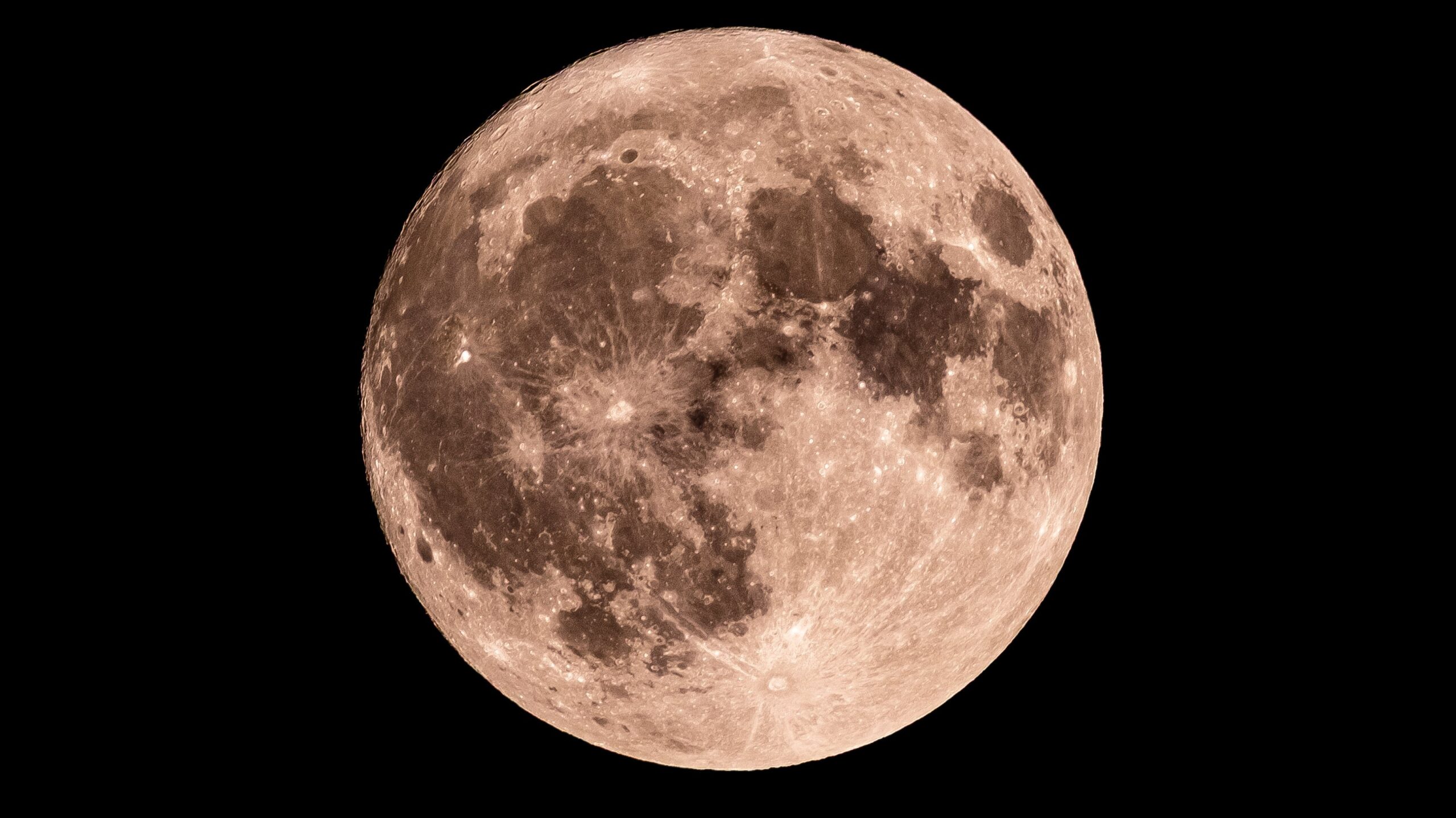

The Moon reached its new phase on Wednesday, April 17, marking the conclusion of one lunar cycle and the beginning of the next. This astronomical event, visible globally, signifies the point in the Moon’s orbit where it is positioned between Earth and the Sun.
During the new moon, the sunlit side of the Moon faces away from our planet, rendering it virtually invisible in the night sky. This phase initiates a new 29.5-day synodic cycle, the period it takes for the Moon to return to the same position relative to the Sun as seen from Earth.
Understanding Lunar Phases
The Moon’s changing appearance, known as its phases, is caused by its orbit around Earth and the varying angles of sunlight that illuminate its surface. The cycle progresses from new moon to waxing crescent, first quarter, waxing gibbous, full moon, waning gibbous, last quarter, and finally waning crescent before returning to new.
The new moon phase is characterized by the Moon’s conjunction with the Sun. With its illuminated hemisphere turned away from Earth, the Moon rises and sets approximately with the Sun, making it difficult to observe without optical aid.
Significance and Observations
While the new moon itself offers little for naked-eye observation, the subsequent nights provide optimal conditions for stargazing. The absence of moonlight results in darker skies, allowing for clearer views of faint celestial objects like star clusters, nebulae, and distant galaxies.
This phase is also of importance to various cultural and religious calendars worldwide, which use lunar cycles to mark significant dates and festivals. Furthermore, the new moon is a key reference point for astronomers and space agencies planning observations or missions sensitive to ambient light.
Looking Ahead in the Lunar Cycle
Following the new moon on April 17, a slender waxing crescent will become visible in the western sky shortly after sunset in the coming days. The Moon will gradually become more illuminated each evening as it moves in its orbit.
The first quarter moon, where half of the Moon’s Earth-facing side is illuminated, is expected to be reached approximately one week after the new phase. This will be followed by the full moon, anticipated in early May, which will illuminate the night sky fully.