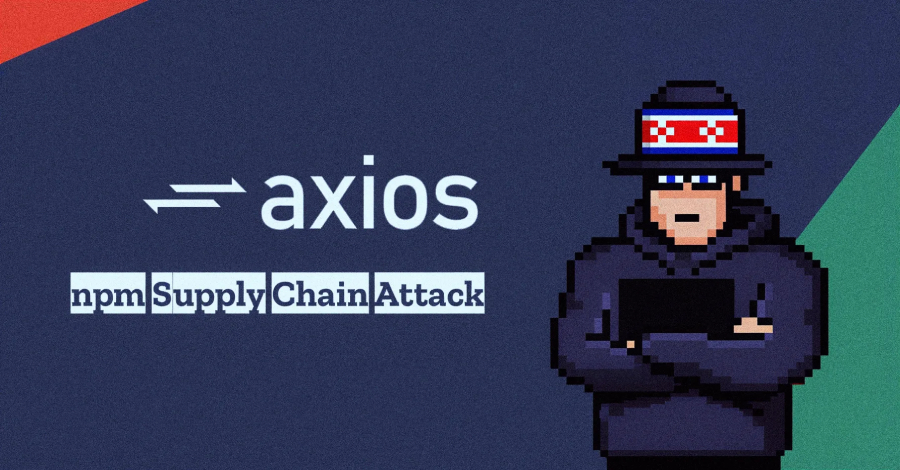

Google has formally attributed a recent software supply chain attack to a North Korean state-sponsored hacking group. The attack targeted the widely used Axios npm package, a critical component for many web developers worldwide.
The tech giant’s Threat Intelligence Group (GTIG) identified the threat actor as UNC1069. John Hultquist, chief analyst at GTIG, confirmed the attribution in a statement. “We have attributed the attack to a suspected North Korean threat actor we track as UNC1069,” Hultquist said.
Understanding the Supply Chain Attack
A software supply chain attack occurs when a hacker compromises a trusted piece of code, like an open-source library, that other applications depend on. By injecting malicious code into the Axios npm package, the attackers could potentially infect thousands of downstream applications and websites that use it. This method allows threat actors to cast a wide net with a single, targeted intrusion.
The Axios library is a popular JavaScript tool used to make HTTP requests from web browsers and Node.js applications. Its compromise represents a significant risk due to its extensive adoption in the development community.
Attribution to UNC1069
Google’s threat analysts have classified UNC1069 as a financially motivated North Korean threat activity cluster. State-sponsored groups from North Korea, often referred to as Advanced Persistent Threats (APTs), are frequently linked to cyber operations aimed at generating revenue for the regime. These activities include cryptocurrency theft and digital espionage.
Attributing a cyberattack to a specific nation-state group involves analyzing technical evidence, such as code similarities, infrastructure patterns, and operational tactics. Google’s public attribution adds significant weight to the understanding of this incident’s origins and intent.
Impact and Developer Response
When a core package in the npm ecosystem is compromised, the ripple effect can be substantial. Developers who unknowingly use the malicious version may introduce security vulnerabilities into their own projects and, by extension, their users’ systems.
The standard response involves the npm registry maintainers removing the malicious package versions and issuing alerts to the community. Developers are then urged to update their dependencies to a clean, patched version as soon as possible to mitigate the risk.
Broader Implications for Open Source Security
This incident underscores the persistent vulnerabilities within the open-source software supply chain. Critical infrastructure, from personal blogs to major corporate platforms, often relies on these freely available packages maintained by volunteers. This model, while fostering innovation, can create single points of failure that are attractive targets for hostile actors.
Security researchers consistently warn that securing this ecosystem requires coordinated effort from maintainers, large corporate consumers of open-source software, and security firms.
Looking ahead, the cybersecurity community and npm registry administrators are expected to continue monitoring for related malicious activity. Further analysis of the attack’s methodology will likely be published to help other organizations defend against similar intrusions. Developers globally are advised to review their project dependencies and ensure they are using verified, secure versions of all packages.
Source: The Hacker News