
The game development studio ProbablyMonsters is pursuing a strategy to release a steady cadence of mid-budget, single-player titles, a model reminiscent of the Xbox 360 era. The company, based in the United States, announced its plan to counter the industry-wide trend of ballooning development costs and extended production cycles that have led major publishers to drastically reduce their number of annual releases.
This approach marks a significant shift from the current industry focus on either massive, blockbuster AAA games or smaller indie projects. ProbablyMonsters is betting on a market for what is often termed “AA” games, titles with substantial production values but more manageable budgets and scopes than the largest franchises.
Industry Context and Changing Release Schedules
The strategy directly responds to a well-documented contraction in the release schedules of major publishers over the last two decades. During the 2000s, particularly in the Xbox 360 and PlayStation 3 generation, publishers frequently released a high volume of games, including experimental and niche titles alongside established series.
As development budgets have spiraled and production times have lengthened, this model has become less sustainable for large public companies. For example, Ubisoft published over 60 games in the year 2000. By contrast, the company’s release slate for 2025 includes only four titles, illustrating the scale of the industry’s consolidation around fewer, higher-stakes projects.
The ProbablyMonsters Model and Studio Structure
ProbablyMonsters is structured as a family of internal game teams, each operating with entrepreneurial independence but supported by shared company resources. This framework is designed to provide stability for developers, aiming to avoid the layoffs and studio closures that often follow the completion of a major project in the traditional publisher system.
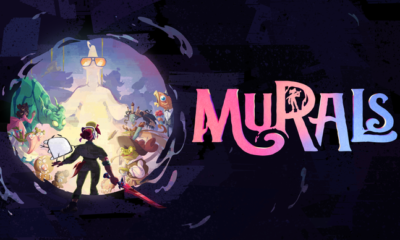
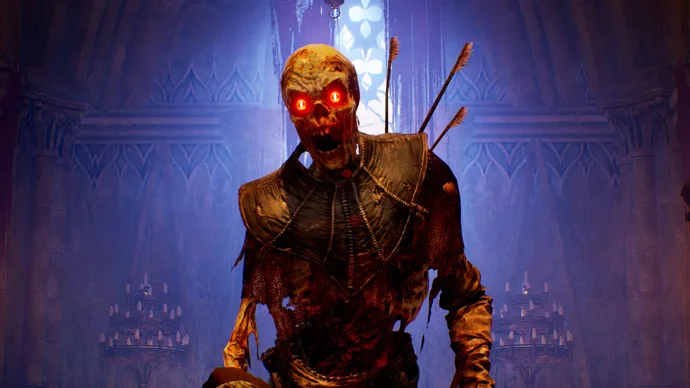
The company currently has three announced teams working on distinct projects. These include a cooperative role-playing game from a team led by veteran developers, a narrative-driven adventure game from another team, and a third project described as a next-generation co-op adventure. The focus on single-player and cooperative experiences sets it apart from the live-service and multiplayer-dominated strategies of many current AAA publishers.
Market Implications and Challenges
The success of this model hinges on identifying a sustainable budget level for AA games and effectively reaching an audience. The market for premium single-player games remains active, as evidenced by commercial successes from various developers, but these are often from established franchises or studios with singular hits.
ProbablyMonsters must demonstrate it can consistently produce quality titles that find a commercial audience without the marketing power of a giant publisher or the minimal overhead of a small indie team. The strategy also assumes a continued consumer appetite for a wider variety of polished, mid-scale experiences, a segment that many analysts believe has been underserved in recent years.
Future Outlook and Industry Impact
ProbablyMonsters has not announced specific release dates for its first wave of games. The development cycles for these projects are ongoing. The industry will be watching to see if the studio can successfully execute its vision and deliver games on a reliable schedule.
If successful, the ProbablyMonsters model could encourage other developers and investors to re-enter the mid-budget segment, potentially leading to a more diverse landscape of game releases. The company’s progress will be measured by the critical and commercial reception of its initial titles, which are expected to launch over the coming years.
Source: GamesIndustry.biz