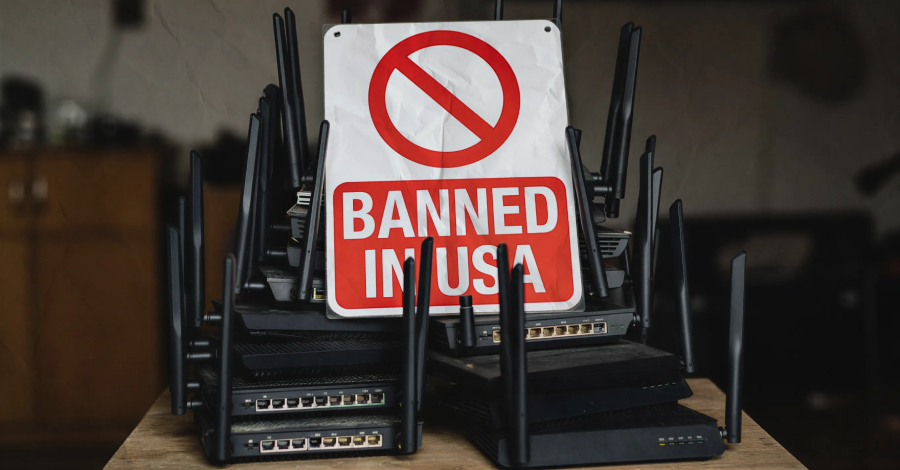

The U.S. Federal Communications Commission (FCC) announced on Monday a ban on the import of new, Foreign-made consumer routers, citing significant cybersecurity and national security concerns. The agency stated the action is intended to protect American consumers and the nation’s critical communications infrastructure from what it deemed “unacceptable” risks.
Official Rationale and Scope
FCC Chairman Brendan Carr detailed the decision in a post on the social media platform X. He explained that the prohibition is designed to safeguard Americans and the underlying communications networks the country relies on. The ban specifically targets new models of equipment that have not yet been authorized for sale in the United States.
The move follows a series of escalating actions by the FCC and other U.S. agencies against telecommunications and networking equipment from certain foreign manufacturers, particularly those based in China. The commission has expressed long-standing concerns that such devices could contain hidden backdoors or vulnerabilities that could be exploited for espionage, data theft, or network disruption.
Background and Regulatory Context
This is not the FCC’s first action targeting foreign-made networking gear. In recent years, the commission has revoked the operating authorizations for several Chinese companies, effectively banning their equipment from U.S. networks. It has also established a program to reimburse mostly small, rural telecom carriers for removing and replacing such “covered” equipment deemed a national security threat.
The new ban extends these security principles to the consumer market, focusing on routers and other gateway devices that serve as primary entry points to home and small business networks. These devices manage internet traffic and connect numerous other smart devices, making them a high-value target for potential malicious actors.
Industry and Market Implications
The immediate effect of the order will be to block new models of routers from certain foreign manufacturers from entering the U.S. supply chain. It does not affect equipment that has already been certified and is currently on store shelves. However, it signals a more restrictive future for the approval of such consumer goods.
Major U.S. retailers and internet service providers that offer branded equipment will need to ensure their suppliers and manufacturing partners comply with the new FCC scrutiny. The decision could accelerate a shift in sourcing toward manufacturers in allied nations or those with more transparent supply chains and software development practices.
Security Expert Perspectives
Cybersecurity professionals have often highlighted the risks associated with low-cost consumer routers, which can have weak default security settings, infrequent firmware updates, and opaque manufacturing processes. The FCC’s action formalizes these concerns at a regulatory level, treating certain foreign-made hardware as an inherent supply chain risk.
Experts note that while the ban addresses future hardware, a vast number of potentially vulnerable devices are already deployed in American homes. Consumers are generally advised to keep router firmware updated, use strong passwords, and disable remote management features to mitigate risks.
Next Steps and Implementation
The FCC’s order takes effect upon its publication in the Federal Register, the official journal of the U.S. government. The commission’s Equipment Authorization Program will enforce the ban during the certification process for new devices.
Future developments may include further clarifications on the scope of affected equipment, potential expansions to other device categories like Wi-Fi extenders or IP cameras, and ongoing evaluations of the security posture of existing authorized equipment. The agency is expected to continue its collaboration with national security partners to identify and respond to evolving threats in consumer telecommunications technology.
Source: GeekWire