
law enforcement agencies in the United States, Canada, and Germany have successfully disrupted the infrastructure of several major Internet of Things botnets. The operation, announced by the U.S. Department of Justice on Thursday, targeted the command and control servers for botnets known as AISURU, Kimwolf, JackSkid, and Mossad. These networks were responsible for launching some of the largest distributed denial of service attacks on record.
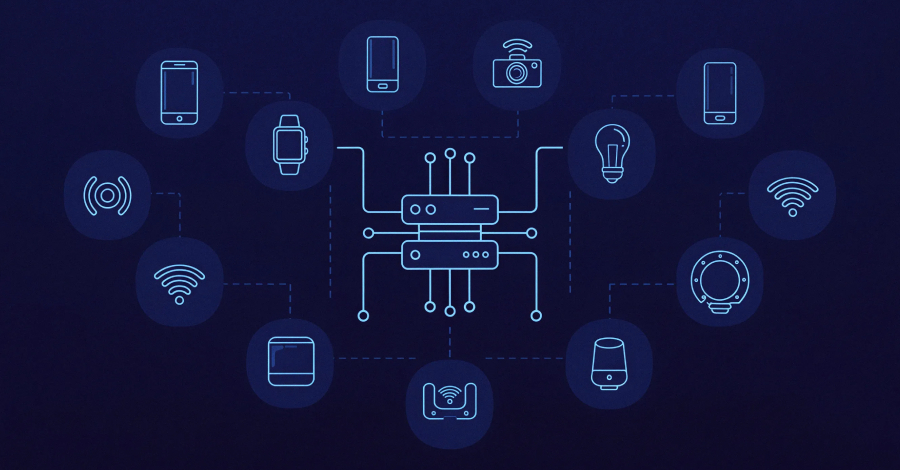
The coordinated international effort was authorized by a U.S. court. It aimed to dismantle the digital infrastructure that allowed malicious actors to control millions of compromised IoT devices globally. These devices, which include routers, cameras, and other smart hardware, were used as weapons in cyber attacks.
Scale and Impact of the Botnets
According to officials, the disrupted botnets collectively controlled over three million infected devices. These compromised machines were harnessed to generate unprecedented volumes of malicious internet traffic. One attack linked to these networks reached a peak of 31.4 terabits per second, setting a record for attack size.
A distributed denial of service attack overwhelms a target website or online service with a flood of internet traffic, rendering it inaccessible to legitimate users. The scale enabled by these IoT botnets made them particularly dangerous, capable of taking down critical infrastructure and major online platforms.
International Law Enforcement Collaboration
The operation highlights increasing collaboration between national agencies in combating cybercrime. While the U.S. Department of Justice led the announcement, authorities from Canada and Germany simultaneously targeted the individuals operating these botnets. This multi jurisdictional approach is considered essential for tackling threats that originate from across borders.
Private sector cybersecurity firms also provided assistance to the government agencies. Their technical expertise and threat intelligence were crucial in identifying the command and control servers and understanding the botnets’ architecture.
The Persistent Threat of Insecure IoT Devices
This case underscores a persistent global cybersecurity challenge: the vulnerability of Internet of Things devices. Many consumer IoT products are shipped with weak default passwords, unpatched software vulnerabilities, and minimal security features. This makes them easy targets for botnet malware, which scans the internet for such unprotected devices.
Once infected, these devices become part of a botnet, or a “robot network,” silently awaiting commands from the attacker. The owners of the devices are often completely unaware that their smart camera or router is being used for criminal activity.
Official Statements and Legal Action
In its statement, the Department of Justice emphasized that the disruption operation was defensive and intended to protect the public. By seizing control of the domains and servers used to manage the botnets, law enforcement has effectively severed the link between the hackers and the infected devices.
Authorities have not disclosed the identities of the suspected operators targeted in Canada and Germany. The legal proceedings in those countries are separate from the U.S. led infrastructure takedown. The investigation into the full scope of the botnets’ activities and their operators is described as ongoing.
Next Steps and Future Mitigation
The immediate next step involves the technical process of “sinkholing” the botnets’ traffic. This means redirecting communication attempts from the infected devices to servers controlled by law enforcement, preventing further malicious commands. This allows researchers to analyze the malware and estimate the number of impacted devices.
Looking forward, officials from the involved agencies are expected to continue their investigative work to identify and apprehend the core operators. Cybersecurity experts anticipate that similar joint operations will become more common as the threat from large scale IoT botnets persists. The operation also serves as a public reminder for consumers and manufacturers to prioritize the security of connected devices.
Source: U.S. Department of Justice