
Technology and security leaders have released a new standardized template to help organizations formally request and evaluate solutions for controlling artificial intelligence usage and establishing governance frameworks. The initiative, announced this week, addresses a growing need for clarity as companies rapidly adopt AI systems.
With artificial intelligence becoming a central engine for enterprise productivity, many organizations have secured budgets for AI security but lack the specific requirements to spend it effectively. This gap has created a strategic challenge for executives responsible for managing AI-related risks.
The Core Challenge: From Budget to Requirements
Industry observers note a common dilemma facing Chief Information Security Officers and Technology Procurement teams. While funding for AI Governance is increasingly available, defining precise technical and operational requirements remains difficult. This often leads to inconsistent evaluations of vendor proposals and unclear implementation roadmaps.
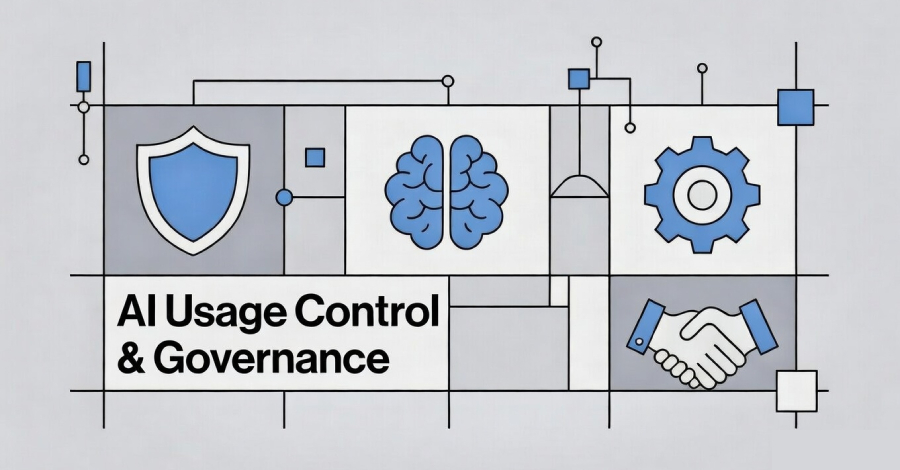
The new Request for Proposal template provides a structured framework covering key areas of AI control. These areas include model inventory management, usage policy enforcement, data lineage tracking, and compliance monitoring for regulations concerning automated systems.
Standardizing a Complex Evaluation Process
The template’s creators designed it to establish common evaluation criteria across the technology industry. By using standardized terminology and requirement categories, organizations can more accurately compare offerings from different AI governance platform vendors.
This approach aims to reduce the confusion reported by many boards of directors and executive committees. While most leaders recognize the necessity of AI governance, many have expressed uncertainty about what specific controls and capabilities their organizations should prioritize.
The framework encourages companies to detail their needs in several domains. These domains encompass security protocols for AI models, audit trails for AI-generated decisions, and tools for measuring potential bias in algorithmic outputs.
Industry Response and Implementation
Initial reaction from the Enterprise Technology community has been cautiously positive. Analysts suggest that a common RFP structure could accelerate procurement cycles and improve the quality of deployed AI safety measures.
Some experts caution that a template alone cannot solve underlying strategic gaps. They emphasize that organizations must first establish internal policies about acceptable AI use before seeking technological solutions to enforce those policies.
The template is available as a public document, allowing any organization to adapt it for their procurement processes. Its developers recommend that companies customize certain sections to reflect their specific industry regulations and unique risk profiles.
Looking Forward: The Evolution of AI Oversight
The release of this RFP template is expected to be followed by further industry-led standardization efforts. Working groups are likely to form around specific verticals, such as healthcare or finance, to develop sector-specific supplements to the core framework.
Official timelines for related initiatives have not been formally announced. However, technology consortiums indicate that developing maturity models for AI governance programs will be a logical next step. These models would help organizations assess their current capabilities and plan their progression toward more robust AI control environments.
Possible developments include the integration of this procurement framework with existing enterprise risk management standards. Such integration would help align AI governance with broader corporate compliance and operational resilience objectives.
Source: Industry Announcement