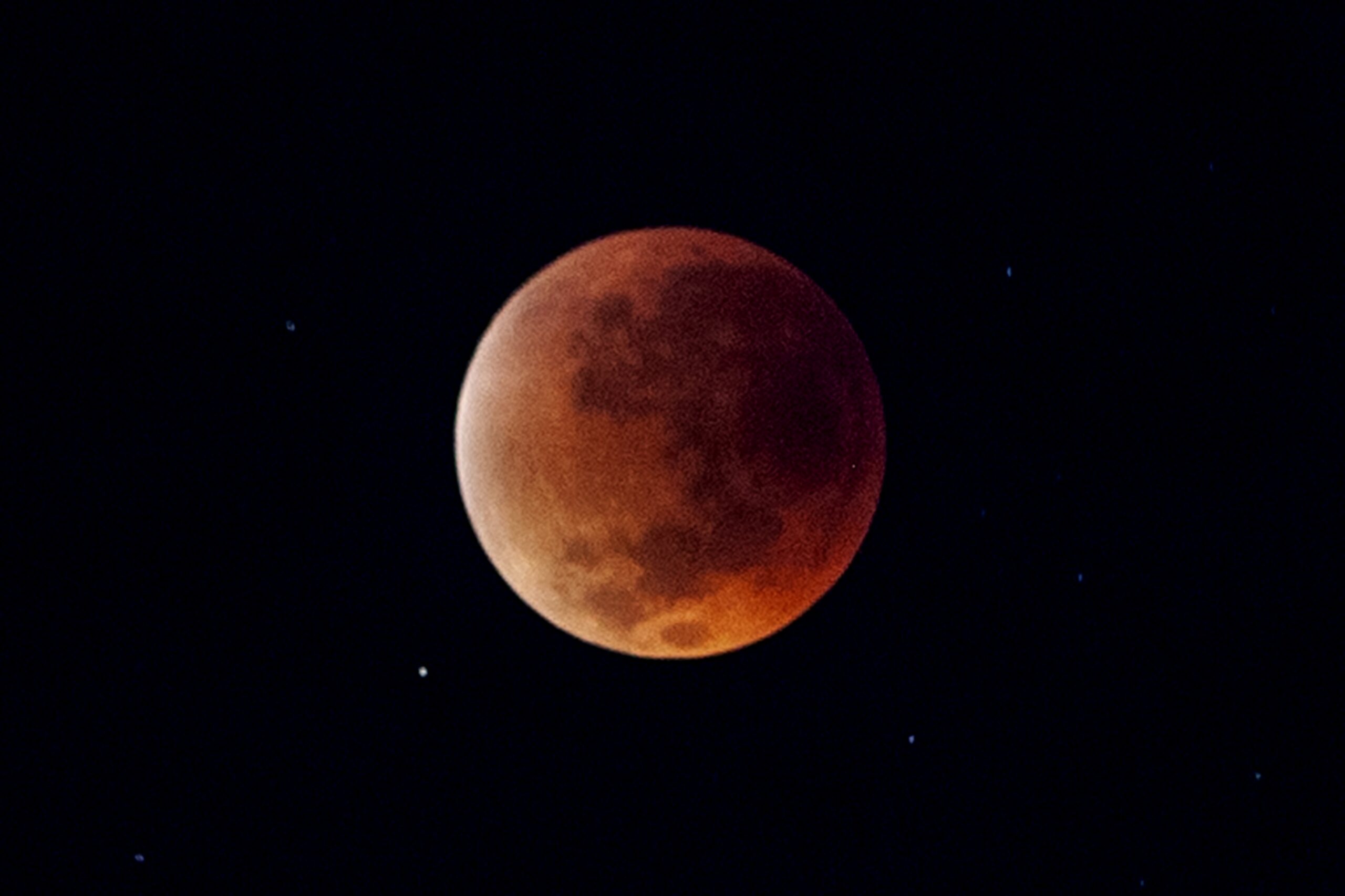

Skywatchers around the world are preparing to observe a total lunar eclipse coinciding with the full moon on the night of March 3, 2026. The celestial event, visible from multiple continents, will see the moon pass completely into Earth’s shadow, temporarily taking on a reddish hue often referred to as a “blood moon.” This astronomical occurrence marks a significant event for both amateur observers and the scientific community.
Astronomical Significance and Visibility
The March full moon is traditionally known as the Worm Moon in North American folklore, a name signaling the thawing of winter ground. In 2026, this lunar phase aligns with a total lunar eclipse. The eclipse’s visibility path will include parts of Asia, Australia, North America, and South America, with the peak totality phase expected to last for approximately 30 minutes. The exact timing will vary by location.
Lunar eclipses occur when the sun, Earth, and moon align precisely, with Earth positioned directly between the other two bodies. The moon moves into Earth’s umbra, or darkest part of its shadow. The reddish color is caused by Rayleigh scattering, the same phenomenon that creates red sunrises and sunsets; sunlight filtering through Earth’s atmosphere casts a copper glow on the lunar surface.
Observation and Scientific Value
Unlike solar eclipses, lunar eclipses are safe to observe with the naked eye and require no special protective equipment. This accessibility makes the event a popular occasion for public astronomy programs and educational outreach. For researchers, eclipses provide opportunities to study the thermal response of the lunar surface as it cools rapidly in Earth’s shadow and to make atmospheric observations.
Major astronomical organizations, including NASA, typically provide live streams and detailed viewing guides for such events. These resources offer global access to the eclipse for those in regions with poor weather or outside the visibility zone. The event is a reminder of the predictable mechanics of the solar system, governed by the orbital cycles of celestial bodies.
Context and Future Events
The March 2026 eclipse is part of a larger saros series, a cycle of eclipses repeating every 18 years and 11 days. The previous eclipse in this particular series occurred in March 2008. Lunar eclipses typically happen at least twice a year, though not all are total eclipses visible from a given location.
For astronomers and enthusiasts, the event serves as a precursor to other significant celestial alignments forecast for the coming years. The predictable nature of eclipses allows for precise long-term planning of observational campaigns and public engagement activities by institutions worldwide.
Source: Mashable