
Microsoft issued a public warning on Monday regarding sophisticated phishing campaigns that are successfully bypassing standard email and browser security measures. These attacks specifically target government and public-sector organizations globally, using deceptive emails and the manipulation of OAuth application consent flows. The ultimate objective is to redirect victims to infrastructure controlled by the attackers without the need to steal login credentials directly.
Mechanism of the Attack
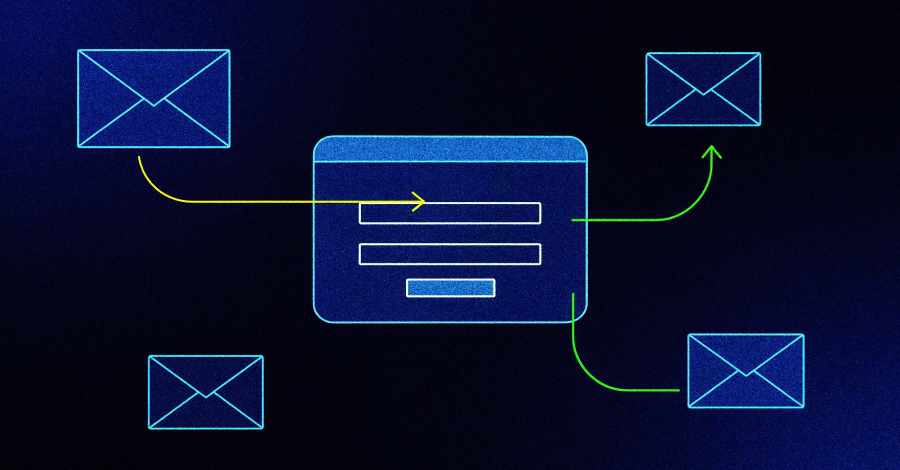
The threat actors initiate their campaigns with phishing emails designed to appear legitimate. These messages contain links that, when clicked, start an OAuth authorization request. OAuth is a standard protocol that allows users to grant applications access to their data on other services, such as Microsoft 365 or Google Workspace, without sharing their passwords.
In this scheme, the link redirects the user to a genuine Microsoft login page. After the user authenticates successfully, they are presented with a malicious OAuth consent prompt. This prompt requests permissions for a fraudulent application that the attackers have previously registered with an identity provider.
If a user grants consent, they are not giving away their password, but they are authorizing a malicious application to potentially access their email, calendar, contacts, or other sensitive data. The user is then redirected to a final webpage under the attackers’ control, completing the deception.
Bypassing Traditional Defenses
This technique is particularly effective because it evades common phishing detection methods. Since the user interacts with the official Microsoft login domain throughout the authentication phase, many security systems that check for fake login pages do not trigger an alert. The malicious activity occurs after legitimate authentication, during the consent step and the final redirect.
Microsoft emphasized that this method allows attackers to gain a foothold without stealing tokens or passwords in the initial phase. The permissions granted to the malicious app can later be exploited for data theft, further phishing within the organization, or persistent access.
Scope and Targets
While the alert did not name specific victim organizations or attribute the activity to a known threat group, it clearly identified the targeting focus. Government agencies and public-sector bodies across multiple regions are the primary objectives. These entities are attractive targets due to the sensitive nature of the information they handle.
The company’s security researchers have been tracking this campaign and have taken steps to disable the malicious applications used in these attacks as they are identified.
Recommended Mitigations and Security Posture
Microsoft advises organizations to implement several defensive measures. Administrators should review and audit all OAuth applications that have been granted permissions within their Microsoft Entra ID (formerly Azure AD) tenant. Any unfamiliar or suspicious applications should have their consent revoked immediately.
Enforcing security best practices like conditional access policies and multi-factor authentication (MFA) remains critically important. While MFA does not stop this specific redirect technique, it provides a vital layer of defense against other credential-based attacks. Security teams are also encouraged to educate users about being cautious when granting application permissions, even if the request follows a legitimate login.
Looking Ahead
Microsoft expects threat actors to continue refining these OAuth-based phishing techniques, as they prove effective against enhanced security protocols. The company indicated it will continue to monitor for malicious application registrations and disable them. Organizations worldwide, particularly in government and critical infrastructure sectors, are likely to see increased advisories and guidance on managing OAuth application consent as this threat vector evolves. Further technical details and indicators of compromise are anticipated to be shared through Microsoft’s security channels in the coming days.
Source: Microsoft Security Blog