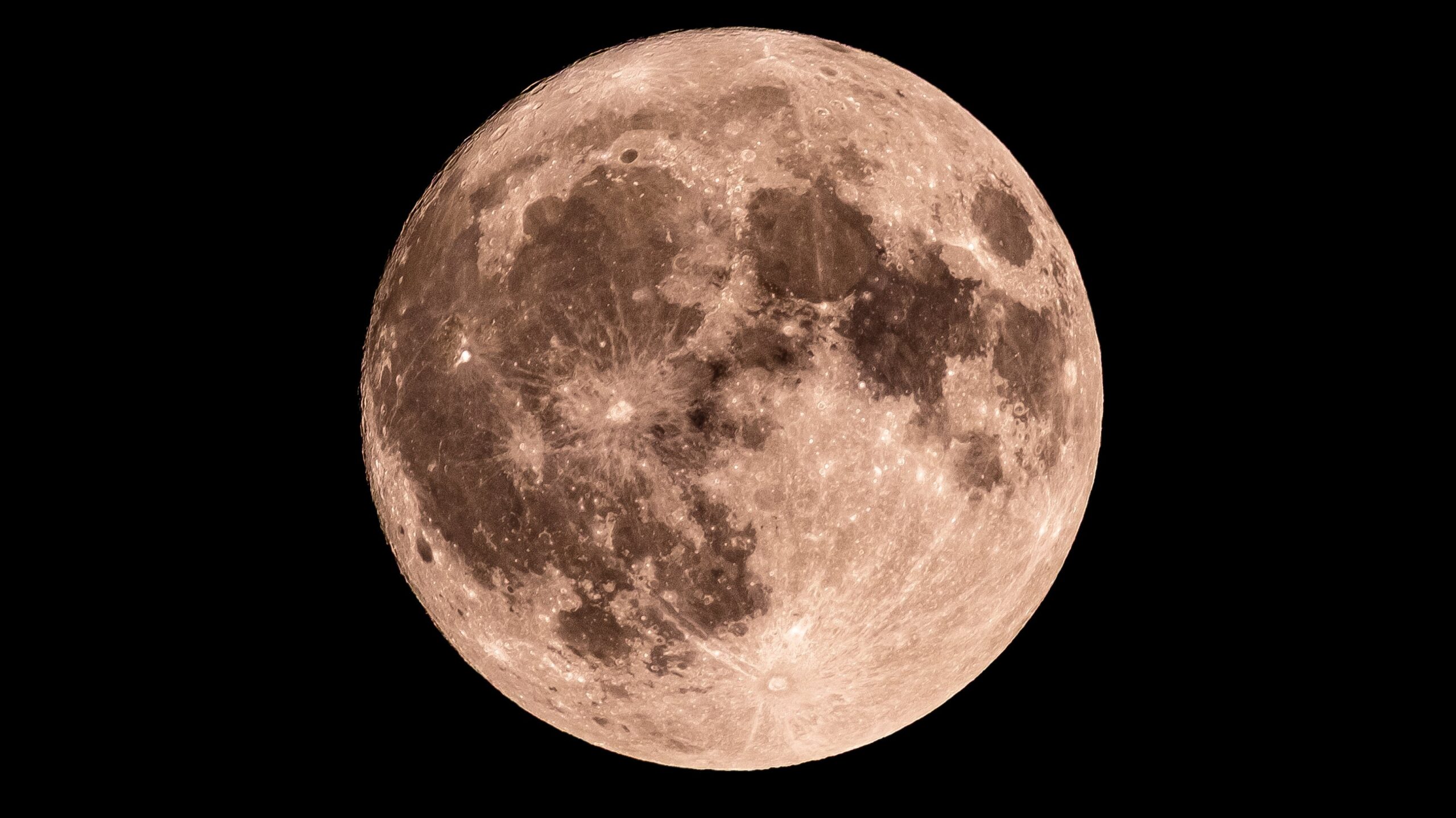

On the evening of February 24, the Moon entered its First Quarter phase, presenting a nearly 50% illuminated disk to observers worldwide. This astronomical event marks a key point in the lunar cycle, signaling a period of increasing visibility leading to the next Full Moon.
The First Quarter phase occurs approximately one week after the New Moon. During this phase, the Moon is positioned at a 90-degree angle relative to the Earth and Sun, resulting in exactly half of its Earth-facing side being illuminated by sunlight. The visible portion will continue to grow each night, a period known as waxing gibbous, until the lunar disk becomes fully lit.
lunar observation Details
For skywatchers, the first quarter moon is considered an optimal time for lunar observation through telescopes or binoculars. The prominent line separating the lit and dark halves, known as the terminator, casts long shadows that accentuate the Moon’s craters and mountain ranges, making surface features particularly distinct. The Moon was visible in the southern sky during the evening hours on February 24.
The Lunar Cycle Explained
The Moon’s phases are caused by its changing position relative to the Earth and Sun. As the Moon orbits Earth, the portion of its sunlit side visible from our planet changes cyclically. The complete cycle, from one New Moon to the next, lasts approximately 29.5 days, a period known as a synodic month. The First Quarter is one of the four primary phases, alongside New Moon, Full Moon, and Third Quarter.
This predictable cycle has been used for timekeeping and calendar systems throughout human history. The current phase provides a clear reference point for anticipating future lunar events, including the Full Moon and subsequent phases.
Global Visibility and Significance
The timing of lunar phases is based on Universal Time (UT), but the exact appearance time can vary by a day depending on an observer’s time zone. The phenomenon is visible from all inhabited regions of Earth, weather permitting, and requires no special equipment to observe. The increasing illumination following the First Quarter provides more natural light during the evening, impacting nocturnal environments.
Looking ahead, the waxing gibbous Moon will become more prominent in the night sky over the coming days. The next major phase, the Full Moon, will occur when the Moon’s Earth-facing side is completely illuminated by the Sun. Astronomers and casual observers can anticipate continued favorable viewing conditions as the lunar disk approaches full illumination, with the Moon rising earlier each successive evening.
Source: Mashable