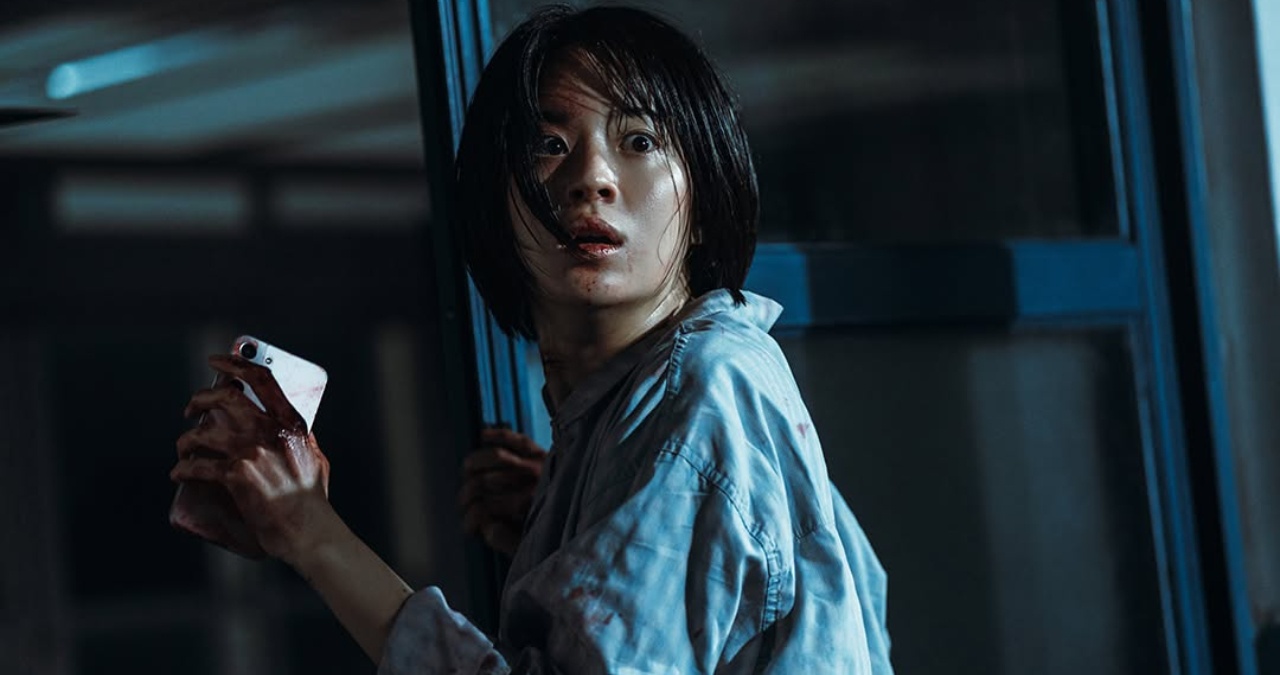

A new horror K-drama on Netflix, titled “If Wishes Could Kill,” presents a chilling narrative about a dangerous mobile application, though critics note its execution contains significant flaws. The series, which premiered on the streaming platform, explores the deadly consequences of a seemingly convenient app that grants user wishes.
The plot centers on a mysterious application that allows users to make wishes. However, each wish comes with a severe and often lethal price. The show’s core premise asks a direct question: “One app that could leave you dead… would you risk it?” This central concept drives the tension throughout the episodes.
Core Premise and Narrative Structure
The story follows characters who download the app and begin to interact with its seemingly magical capabilities. The wishes initially appear harmless but quickly spiral into violent and deadly outcomes. The series uses this setup to explore themes of greed, desperation, and the unintended consequences of using technology to bypass life’s difficulties.
The narrative structure relies on a serialized format where each wish and its tragic result are revealed incrementally. This method builds suspense and allows viewers to understand the app’s dangerous rules. However, some critics point out that the plot pacing suffers from inconsistent storytelling and character development.
Critical Reception and Key Flaws
Initial reviews from media outlets describe the K-drama as “flawed but chilling.” The primary criticisms center on uneven character arcs and occasional narrative gaps. The show introduces a large cast of characters, but not all are given sufficient depth to make their fates emotionally impactful.
The acting performances, particularly from lead actor Jeon So-young, are noted for their high quality, yet the script does not always support their talents. The horror elements are effective in generating a sense of dread, but the storytelling mechanics sometimes detract from the overall immersion.
Strengths of the Series
Despite its weaknesses, “If Wishes Could Kill” succeeds in creating a haunting atmosphere that lingers after each episode. The visual style and sound design contribute significantly to the unsettling mood. The show also raises relevant social commentary about society’s increasing reliance on mobile applications and the potential dangers of surrendering personal data for convenience.
Limitations and Execution Issues
The main limitation of the film is its inability to sustain the initial high-concept horror across a full season. The plot devices repeat, and the resolution of the central mystery feels rushed. Some subplots are abandoned or resolved in ways that defy the established logic of the show’s supernatural rules.
Implications for the K-Drama Horror Genre
This production represents a continued effort by Netflix to expand its slate of original Korean horror content. The series taps into contemporary anxieties about smartphone addiction and digital surveillance. While it does not set a new benchmark for the genre, it contributes to the growing body of work that uses technology as a source of modern horror.
The show’s release timing aligns with a broader trend in regional entertainment where horror stories are increasingly intertwined with real-world tech issues. This allows the series to engage audiences who are familiar with the dangers of data breaches and app permissions.
Conclusion and Future Outlook
“If Wishes Could Kill” provides a tense viewing experience for fans of the horror genre, despite its structural flaws. The show leaves viewers with a cautionary tale about the cost of instant gratification. As of now, Netflix has not announced a second season. The series is available for streaming and will likely continue to generate discussion about the ethical boundaries of technology in storytelling.
Source: Mashable