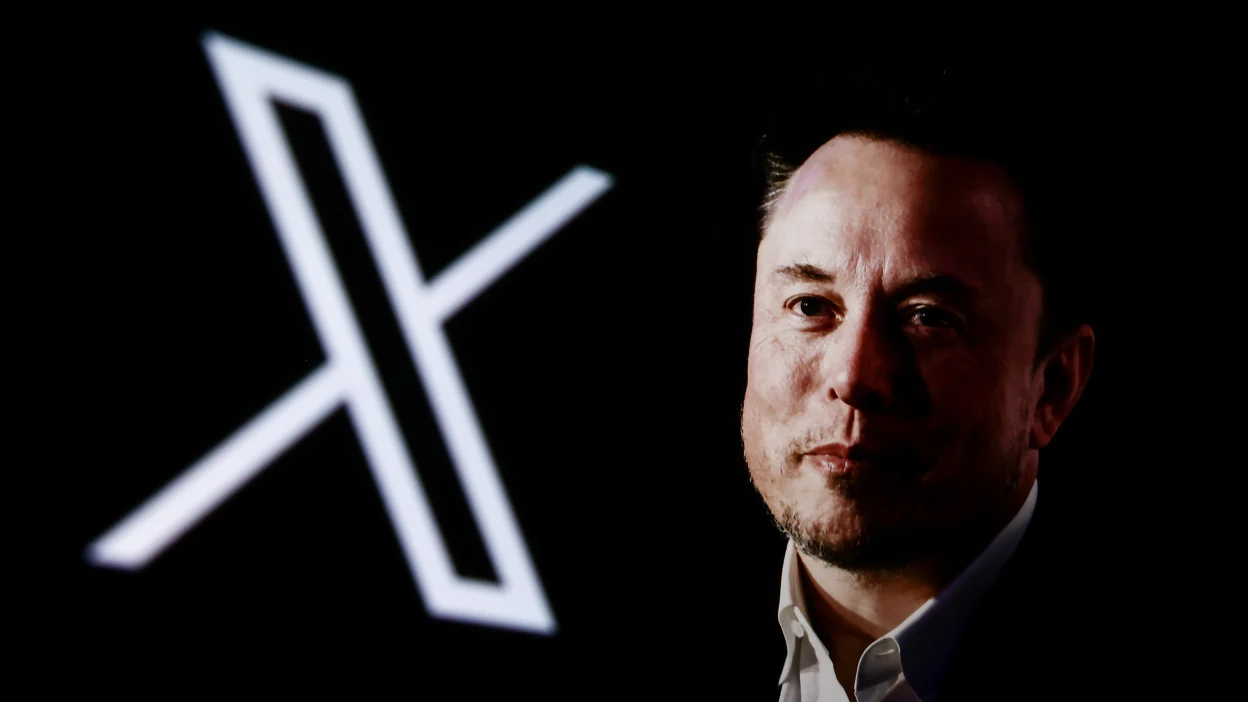

Elon Musk is advancing plans to launch X Money, a payments and banking service integrated into the social media platform formerly known as Twitter. The service is expected to allow users to send money, manage finances, and potentially track spending habits directly through the application.
According to reports and regulatory filings, X (the company formerly called Twitter) has been securing money transmitter licenses across multiple U.S. states. These licenses are legally required for any entity that facilitates the transfer of funds between users. The company’s push into financial services represents a significant expansion beyond its core social networking function.
What X Money will offer
The planned service, internally referred to as X Money, aims to provide a range of financial tools. Sources familiar with the development indicate that users will be able to store money in accounts linked to their X profiles, send payments to other users, and potentially receive direct deposits.
A key feature under development is the ability to track spending habits. This functionality would give users detailed insights into their transaction history and financial behavior, similar to features found in dedicated budgeting applications. The service is being designed to operate as a peer-to-peer payment system comparable to Venmo or Cash App, but fully embedded within the X ecosystem.
Regulatory progress and timeline
The financial technology sector is heavily regulated in the United States. To operate legally, X must obtain money transmitter licenses from each state where it plans to offer services. As of early 2024, X has secured approvals in several states, with additional applications pending.
Industry analysts suggest that full nationwide launch could take months or years, depending on regulatory approvals. The company has not announced a specific launch date for X Money, but internal communications suggest the project is a high priority for Musk. The goal is to create what Musk has described as an “everything app” where social networking, payments, and commerce coexist.
Competitive landscape and challenges
X Money will enter a crowded market dominated by established players. PayPal, owned by former X leaders, remains a global leader in online payments. Block Inc.’s Cash App has a strong U.S. presence, particularly among younger users. Venmo, owned by PayPal, specializes in social payments and has built a loyal user base.
To compete, X will leverage its existing user base of hundreds of millions of monthly active users. The integration of financial services directly into a social platform could lower the barrier for adoption. However, the company faces significant challenges, including regulatory compliance across jurisdictions, building user trust around security and privacy, and developing robust anti-fraud systems.
Implications for users and the industry
If launched successfully, X Money could reshape how people interact with financial services. By embedding payments into a social media experience, X could reduce the need for users to switch between apps for communication and transactions. Merchants and content creators on the platform could also benefit from seamless payment processing.
Privacy advocates have raised concerns about the integration of spending data with social profiles. X has stated that user financial data will be handled with appropriate security measures, but details about data sharing policies remain unclear. The company has not publicly committed to end-to-end encryption for transaction data.
The broader financial technology industry is watching these developments closely. A successful launch by X could pressure existing payment apps to innovate more aggressively, particularly in terms of social features and user experience.
Looking ahead, X is expected to file additional license applications in remaining U.S. states and potentially seek approval for cross-border payment services. The company’s immediate next step is likely to pilot X Money in states where licenses are already secured, before scaling to a national rollout. Regulatory bodies in the European Union and other regions could also require separate approvals for international expansion, meaning a truly global service may be several years away.
Source: Mashable