
The landscape of WordPress website development is undergoing a significant transformation in 2026, driven by the integration of Artificial Intelligence, a push for more dynamic user experiences, and a renewed strategic emphasis on digital ownership. These shifts are changing how sites are built, from the initial design phase to the final user interaction, according to industry experts.
Conversations with professionals from the WordPress ecosystem indicate that websites are increasingly behaving like applications, while AI tools are dramatically accelerating the creation process. This evolution marks a move away from traditional, code-heavy development toward more accessible and interactive design methodologies.
AI Transforms Development Workflow
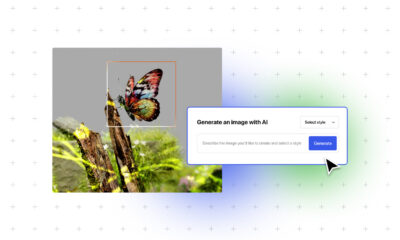
A primary trend is the movement from manual coding to AI-assisted prompting. Building website features, which historically required writing code from a blank file, now often begins with a descriptive sentence. AI systems can generate functional components, plugins, and themes, significantly reducing initial setup time.
For instance, tools exist that create native WordPress blocks from text prompts. Developers and designers can describe a desired block, refine the output, and implement it directly. This approach also extends to full plugin and theme generation through platforms that interpret plain language instructions, lowering the technical barrier to entry.
Allan Cole from the WordPress.com Special Projects design team noted this is effective for merging design thinking with content. The reduction in cost and complexity allows more individuals to participate in website creation, though experts assert that human taste and judgment remain crucial for standout work.
Websites Adopt App-Like Interactivity
Another major shift is the move toward websites that function with the fluidity of web applications. Traditionally, clicking a link triggers a full page reload. The native WordPress Interactivity API is changing this dynamic by enabling blocks to update and communicate dynamically, so only relevant content refreshes.
This results in instant-feeling browsing experiences. Cole stated this allows WordPress to feel like an app in an unexpected way. Practical applications include interactive tabs, accordions, and task lists that update without page reloads. For businesses, this can lead to lower bounce rates and improved user experiences without the expense of full custom development.
Maturation of Core Editing Tools
The core WordPress block editor, named Gutenberg, has reached a level of maturity that is attracting professional agencies. Previously, many agencies relied on third-party page builders for flexible layouts, which added complexity and maintenance overhead. Cole indicated that confidence in building with the native block editor is now much higher.
The practical gains include reusable design patterns for faster building, locked layouts that protect structure while allowing content edits, and native typography and layout controls that reduce the need for custom CSS. This maturity is reportedly shortening project timelines.
Systematic Design and Ownership Focus
Modern WordPress workflows increasingly incorporate formal design systems. Teams can define colors, typography, and spacing rules in design software and export them directly into a theme’s configuration. This ensures consistency and streamlines the transition from design to a live site, with all stylistic decisions preserved in the editor.
Concurrently, there is a renewed focus on owned media. With the proliferation of AI-generated content and shifting social media algorithms, businesses are prioritizing their own websites, email lists, and first-party data. Pablo Moratinos, a WordPress.com brand ambassador, emphasized the principle that you cannot build your house on rented land.
This makes a website’s role as a central hub for brand authority and direct audience relationships more critical. Successful sites are now built with conversion and return visitation as primary goals from the start.
Human Expertise Remains Central
While AI tools lower the friction to starting a project, experts confirm they have not replaced the need for skilled design and strategy. AI website builders can generate full sites from a prompt, and AI assistants within the editor help maintain content voice. However, the result is that clients often approach agencies with AI-generated prototypes and more formed opinions.
Ajit Bohra, Founder and CEO of web agency LUBUS, observed that AI helps clients get a kickstart and validate an idea, after which they seek human expertise to move forward. The gap between an idea and a tangible prototype has collapsed, but the best outcomes still rely on human vision and decision-making.
Looking ahead, the trajectory for WordPress design involves wider adoption of block themes and design systems for consistency, strategic use of AI for prototyping, designing for user ownership and retention from the outset, and integrating interactivity for superior user experience. Industry observers suggest that leading agencies will be distinguished not by using every new tool, but by expertly selecting the tools that enhance human creativity and strategic goals.
Source: Based on expert interviews and product documentation from the WordPress project.