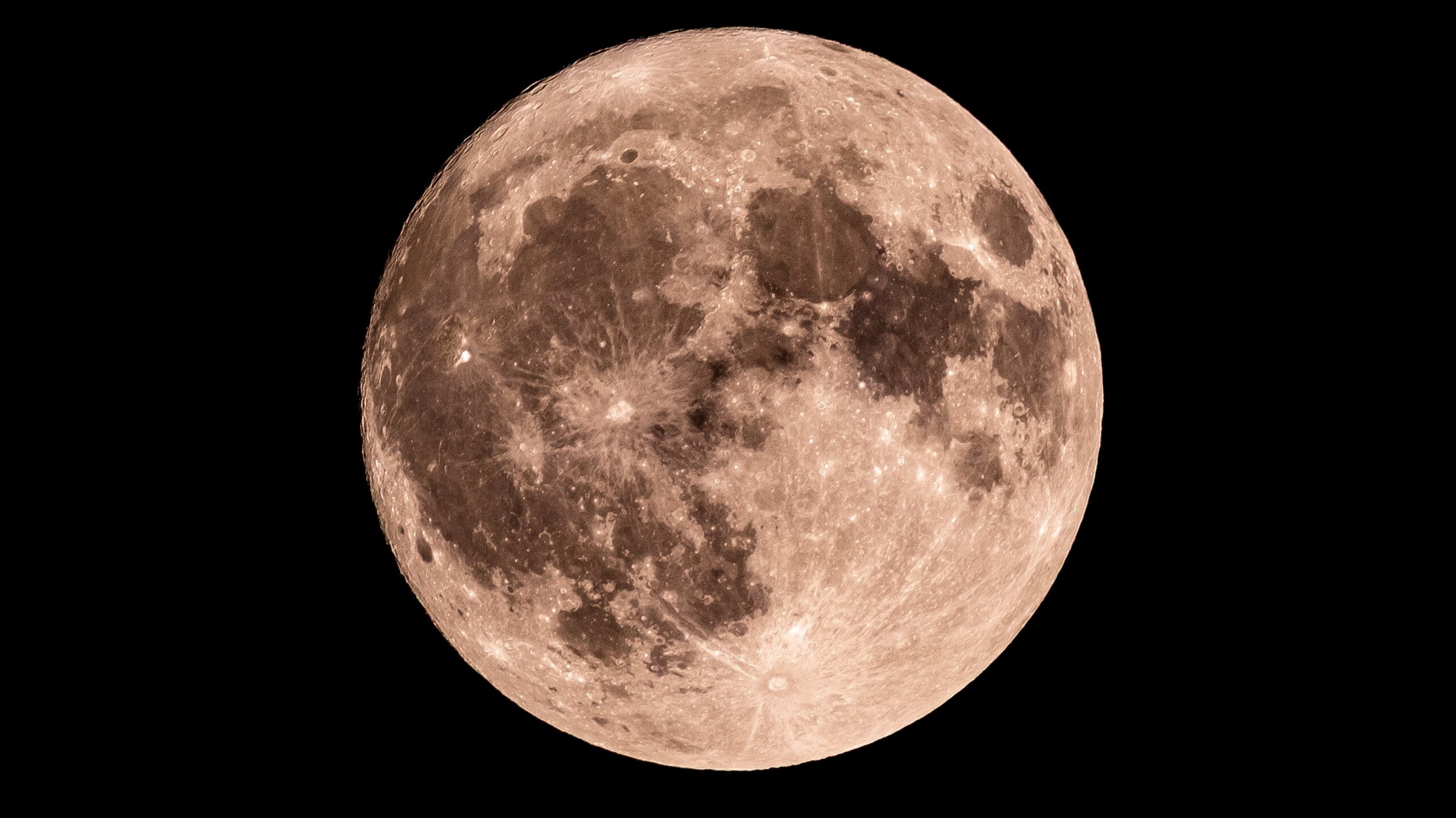

The Moon will appear in a waxing gibbous phase on Wednesday, February 25, as observed from Earth. This specific lunar phase indicates the Moon is increasing in illumination, a regular occurrence within the 29.5-day lunar cycle. The visibility and apparent size of the Moon change nightly due to its orbital position relative to Earth and the Sun.
Understanding the Waxing Gibbous Phase
A Waxing Gibbous Moon occurs after the First Quarter phase and before the Full Moon. During this period, more than half of the Moon’s Earth-facing side is illuminated by sunlight, and the illuminated area continues to grow larger each night. The term “gibbous” describes the Moon’s shape when it is more than half-lit but not yet full.
The increasing illumination makes the Moon a prominent feature in the evening sky. This phase is part of the predictable sequence of lunar phases caused by the changing angles between the Sun, Earth, and Moon. The Moon’s orbit around Earth alters which portion of its sunlit hemisphere is visible from our planet.
Lunar Cycle and Observation
The lunar cycle, also known as a lunation, begins with the New Moon, when the Moon is positioned between Earth and the Sun. The cycle progresses through Waxing Crescent, First Quarter, Waxing Gibbous, Full Moon, Waning Gibbous, Third Quarter, and Waning Crescent before repeating. The Waxing Gibbous phase signifies the Moon’s approach to full illumination.
Observers worldwide can see the Waxing Gibbous Moon rising in the east during the afternoon and setting in the west after midnight. It is visible for a significant portion of the night. The exact timing of moonrise and moonset varies slightly depending on the observer’s geographic location.
Scientific Context and Public Interest
Lunar phases have been tracked for millennia for calendars, agriculture, and cultural practices. Modern astronomy provides precise predictions for lunar phases years in advance. The consistent cycle offers a reliable celestial clock for both scientists and the public.
Public interest in moon phases often peaks during distinct stages like the Full Moon or eclipses. However, intermediate phases like the Waxing Gibbous are regularly documented by astronomy websites, space agencies, and educational institutions. This information is shared to promote public understanding of basic astronomy.
The Moon’s current phase is determined by its celestial longitude relative to the Sun. This objective measurement allows for accurate phase reporting without subjective interpretation. Data comes from astronomical algorithms used by observatories and scientific organizations.
Forward Outlook for Lunar Observation
Following the Waxing Gibbous phase on February 25, the Moon will continue to increase in illumination. The next major phase in the cycle is the Full Moon. The exact date and time of the Full Moon are calculated based on the Moon’s orbital position.
After reaching full illumination, the Moon will enter the Waning Gibbous phase, where the lit portion begins to decrease each night. This will lead to the Third Quarter phase and eventually back to a New Moon, completing the cycle. These changes will be visible to observers across the globe under clear weather conditions.
Source: Mashable