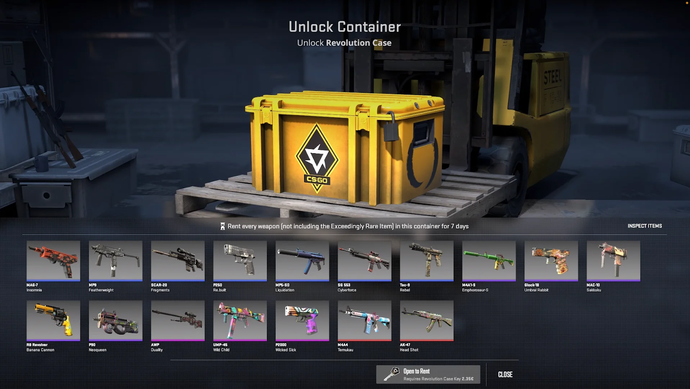

The New York Attorney General‘s office has filed a lawsuit against the video game company Valve Corporation, alleging its popular online games unlawfully facilitate gambling for minors through loot box mechanics. The legal action, announced by Attorney General Letitia James, targets the games Counter-Strike 2, Team Fortress 2, and Dota 2.
Core Allegations and Legal Claims
The lawsuit contends that Valve’s systems for buying, selling, and trading in-game cosmetic items, known as “loot boxes” or “cases,” constitute illegal gambling under New York law. The state alleges that these mechanics are designed to exploit psychological tendencies, particularly in young players, by offering randomized virtual rewards in exchange for real money.
According to the filing, Valve knowingly created and maintains an unregulated gambling marketplace. The complaint states that third-party gambling sites directly integrate with Valve’s Steam platform, allowing users to use their Steam accounts to wager these virtual items. The Attorney General argues this ecosystem encourages minors to gamble, violating state statutes.
Valve’s Business Model in Focus
The central issue involves the sale of keys to open virtual containers, or loot boxes, which grant random digital items like weapon skins or character cosmetics. While these items do not affect gameplay performance, they hold significant monetary value on secondary markets. Players can buy, sell, and trade these items on the Steam Community Market for real currency, with Valve taking a transaction fee.
The lawsuit highlights that the random nature of the rewards, combined with their real-world monetary value, mirrors the mechanics of traditional gambling. The state’s position is that this practice is deceptive and predatory, especially as it is accessible to individuals under the legal gambling age.
Broader Industry Context and Precedents
This lawsuit is part of a growing international scrutiny of loot boxes in video games. Several European countries, including Belgium and the Netherlands, have previously ruled that certain loot box systems constitute gambling and have taken regulatory action. In the United States, the Federal Trade Commission has held workshops on the issue, and legislative proposals have been introduced at the state level, though comprehensive federal regulation remains absent.
The legal action against Valve, a major player in the PC gaming market through its Steam storefront, represents one of the most significant challenges to the practice by a U.S. state enforcement agency. The outcome could set a precedent for how digital items and randomized monetization are treated under existing gambling laws.
Potential Consequences and Valve’s Stance
The New York Attorney General is seeking a court order to halt what it describes as Valve’s illegal gambling activities. The state also requests restitution for affected consumers, disgorgement of ill-gotten profits, and the imposition of significant civil penalties. A successful lawsuit could force Valve to fundamentally alter its revenue model for these flagship games.
Valve Corporation has not issued a public statement in response to the New York lawsuit at this time. Historically, the company has maintained that it does not support gambling sites and has taken steps to shut down some third-party operations that use its application programming interface (API) for gambling purposes. The company’s formal legal response is expected to be filed in court.
Next Steps and Expected Developments
The case will proceed through the New York State court system, a process likely to involve extensive legal briefings, potential motions to dismiss, and discovery. Legal experts anticipate a protracted legal battle, given the novel questions of law regarding digital assets and the substantial financial stakes for the video game industry. The court’s interpretation of whether virtual items with speculative market value constitute “things of value” under gambling statutes will be a pivotal factor. Further statements from the New York Attorney General’s office and Valve’s legal team are expected as the initial pleadings are filed.
Source: GamesIndustry.biz