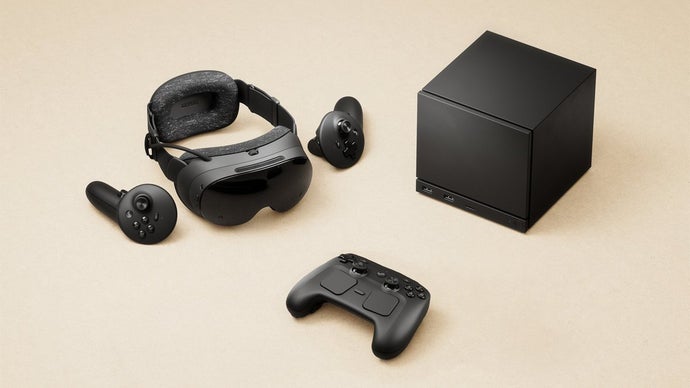

<a href="https://delimiter.online/blog/epic-games-store-Steam-coexistence/” title=”Valve”>Valve Corporation has announced a delay in the launch of unspecified hardware products, citing unfavorable pricing for key components like memory and storage. The decision was communicated by the company, which is known for its Steam digital game platform and hardware ventures like the Steam Deck. The announcement did not specify a new release window for the affected products, leaving consumers and industry observers awaiting further details.
Market Conditions Prompt Strategic Shift
The company attributed the schedule change directly to ongoing shortages and high costs in the global Supply Chain for memory and storage components. These critical parts are essential for modern computing devices, from solid-state drives to system RAM. Industry analysts note that pricing volatility in these sectors has impacted numerous electronics manufacturers over the past year, leading to production adjustments and delayed releases across the tech industry.
Valve’s move is seen as a strategic response to ensure product viability and maintain target price points for consumers. Launching hardware during a period of inflated component costs could force a higher retail price, potentially harming market reception and sales volume. By postponing the launch, Valve aims to wait for a more stable and cost-effective procurement environment.
Background on Valve’s Hardware Ambitions
Valve, headquartered in Bellevue, Washington, is primarily renowned for its dominant Steam PC gaming marketplace. However, the company has a history of foraying into hardware, with varying degrees of success. Its earlier ventures included the Steam Controller, Steam Link, and the Steam Machines initiative in partnership with other PC manufacturers.
The company’s most significant and recent hardware success is the Steam Deck, a handheld gaming PC launched in 2022. The device’s popularity has solidified Valve’s position as a serious player in the gaming hardware space. This latest delay suggests the company is working on new hardware projects, though it has not publicly confirmed the nature of the postponed products.
Industry-Wide Supply Chain Challenges
The component issues referenced by Valve are not isolated. The technology sector has faced intermittent shortages and price hikes for DRAM and NAND flash memory for several years. Factors contributing to this include increased demand from various industries, production capacity constraints, and broader geopolitical trade tensions. These challenges have forced companies in sectors from automotive to consumer electronics to adapt their production timelines and product strategies.
For a company like Valve, which operates in the competitive gaming hardware market, managing the bill of materials is crucial. The final consumer price must balance performance expectations with market competitiveness, making component costs a primary factor in launch timing.
Consumer and Market Implications
The delay leaves potential customers without a clear timeline for Valve’s next hardware offering. Enthusiasts who follow the company’s developments will be monitoring for official updates regarding product specifications and a new release date. The postponement may also affect the competitive landscape, providing rivals with an opportunity to advance their own product launches in the interim.
Market observers will be watching to see if other gaming hardware companies announce similar delays or price adjustments in response to the same supply chain pressures. Valve’s decision could be an indicator of broader trends within the niche market for PC-based gaming hardware.
Looking Ahead: Awaiting Official Details
Valve has not provided a revised launch schedule or detailed information on the specific hardware being delayed. The company typically maintains a secretive approach until products are near completion. The next expected step is an official announcement from Valve, which will likely include the product’s identity, specifications, and a firm release date once component market conditions improve.
Industry analysts suggest that monitoring quarterly reports from major memory and storage manufacturers could provide clues about when cost pressures might ease, potentially signaling a new timeline for Valve’s plans. Until then, the project remains on hold, pending more favorable economic conditions for production.
Source: GamesIndustry.biz