
The global cybersecurity landscape is undergoing a fundamental shift, driven by the rapid weaponization of artificial intelligence by threat actors. This acceleration has elevated comprehensive exposure management from a technical concern to a strategic boardroom priority for organizations worldwide, according to industry analysts.
The primary change is not merely an increase in the volume of threats, but a dramatic compression of time. The speed of attacks, the exploitation of vulnerabilities, and the rate of change across digital environments are all occurring at an unprecedented pace. This new dynamic renders traditional, siloed security approaches increasingly ineffective.
The Core Challenge: AI-Powered Threats
Security experts identify the defining challenge as the integration of AI into offensive cyber operations. Adversarial AI can automate vulnerability discovery, craft highly targeted phishing campaigns, and adapt malware in real time to evade detection. This capability allows threat actors to operate at a scale and speed that human-led teams cannot match manually.
The result is a constantly expanding attack surface that includes cloud assets, remote work infrastructure, internet-connected devices, and complex software supply chains. Managing exposure across these interconnected systems requires a unified view that many organizations currently lack.
Strategic Shift in Corporate Governance
In response, corporate boards and executive committees are now directly engaging with cybersecurity strategy. The conversation has moved beyond compliance checklists and incident response plans to focus on continuous risk assessment and resilience. Directors are demanding clear metrics on organizational exposure and the effectiveness of controls across the entire digital estate.
This shift signifies that cybersecurity risk is being treated with the same seriousness as financial or operational risk. Failure to manage digital exposure is seen as a direct threat to business continuity, shareholder value, and corporate reputation.
What Unified Exposure Management Entails
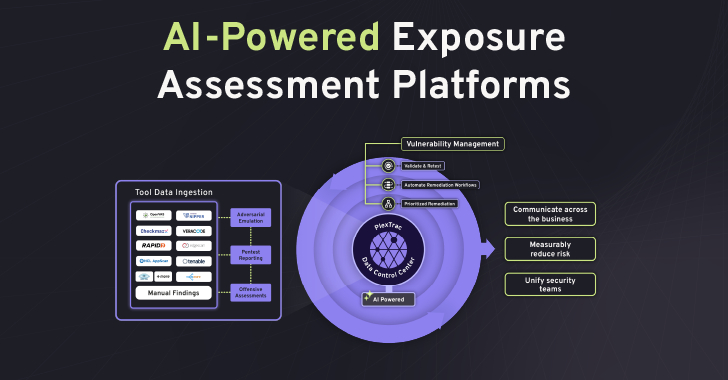
Unified exposure management refers to an integrated approach that consolidates visibility across an organization’s entire attack surface. It combines asset discovery, vulnerability assessment, threat intelligence, and risk prioritization into a single coherent framework. The goal is to provide leadership with a real time, business context understanding of where the greatest risks lie.
This approach enables organizations to allocate resources more efficiently, focusing on patching critical vulnerabilities that pose the most significant business risk rather than responding to an overwhelming stream of generic alerts.
Looking Ahead: Regulation and Resilience
Industry observers anticipate that regulatory bodies will soon mandate stricter reporting requirements for cybersecurity governance and exposure management. Simultaneously, investment in security platforms that offer consolidation and automation is expected to rise sharply as companies seek to build inherent resilience against AI augmented threats. The focus for leadership will remain on achieving measurable reductions in cyber risk exposure as a core business objective.
Source: Industry Analysis